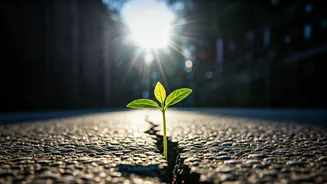









Redefining 'Resistance'
When we hear the word ‘resistance’, our minds often jump to large-scale protests and headline-grabbing movements. While these are vital, they are not the whole story. True resistance, or 'everyday activism', happens in the quiet, often unseen moments
of our daily lives. It’s a conversation with a friend that challenges a prejudice, a decision to support a local business over a corporate giant, or the choice to educate yourself on an issue affecting your community. These seemingly insignificant acts are the very foundation of a democratic and just society, helping to expose injustice and strengthen inclusivity from the ground up. They are the building blocks of larger social change.
The Psychology of Starting Small
The idea of tackling a massive issue can be paralysing. The sheer scale can make any individual effort feel futile. However, psychology shows that starting with small, manageable actions is incredibly effective. Author James Clear, in his book “Atomic Habits,” explains how tiny, incremental changes lead to remarkable transformations over time by creating a compound effect. This principle applies directly to social change. A small act, like signing a petition or sharing an informative article, overcomes initial inertia. It builds momentum and a sense of agency, making the next, slightly larger, action easier. This creates a positive feedback loop, transforming passive concern into active engagement and fostering resilience.
Local Actions, Wider Ripples
Many of history's most significant social movements began with small, local concerns. The environmental movement, for example, grew from grassroots efforts to protect local ecosystems. These local actions have a unique power. They are tangible, allowing you to see the direct impact of your efforts, whether it’s cleaning up a neighbourhood park, organising a community drive, or advocating for safer streets. These efforts don't just stay local; they create a ripple effect. As writer and activist Rebecca Solnit notes, major breakthroughs are often the visible result of vast, underground networks of persistent work and countless small acts of courage. What starts in one community can inspire others, eventually building into a force that can influence national policy.
Digital Resistance and Personal Change
In our connected world, the digital space is a key arena for resistance. Beyond performative posts, digital activism can be a powerful tool for organising, educating, and amplifying marginalised voices. It allows movements to gain momentum rapidly and reach a global audience. However, perhaps the most fundamental form of resistance is personal. It involves the 'quiet work' of introspection—challenging our own biases, questioning the media we consume, and having difficult but necessary conversations with the people in our lives. This internal work is crucial because it aligns our actions with our values. Acts of kindness, empathy, and a willingness to listen can bridge divides and build understanding, which are essential for any collective effort toward a better society.