





The Search for 'Real' Food in Fitness
For years, the gold standard for post-workout recovery was a scoop of whey protein in a shaker. But a growing number of fitness-conscious Indians are questioning this one-size-fits-all approach. Concerns over cost, digestibility, lactose intolerance,
and a desire for 'clean' and natural foods are driving a shift back to traditional options. This movement isn't about rejecting science; it's about finding nutrition that is both scientifically sound and culturally familiar. People are looking for holistic wellness, not just muscle gain, and this has opened the door for homegrown superfoods to make a powerful comeback.
Sattu: The Original Indian Superfood
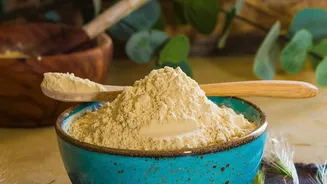
Sattu, a flour made from roasted Bengal gram (chana), has been a staple in regions like Bihar and Uttar Pradesh for centuries, known for its cooling properties and as a source of sustained energy. Today, its impressive nutritional profile is catching the eye of the fitness community. A 100-gram serving packs around 20-26 grams of plant-based protein, complex carbohydrates, and high dietary fibre. This combination aids in muscle repair, replenishes energy stores without causing a sugar crash, and keeps you feeling full for longer. Furthermore, sattu is rich in essential minerals like iron, magnesium, and manganese, which are vital for recovery and overall health. It’s also incredibly versatile and affordable, easily mixed into a refreshing drink or made into parathas and laddoos.
Sprouted Legumes: Unlocking Nutrient Power
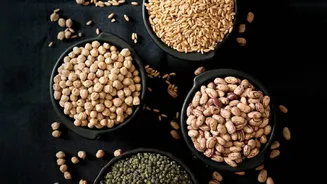
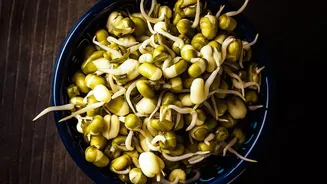
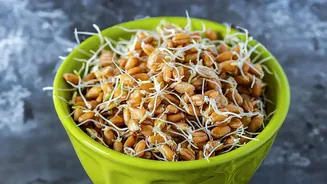
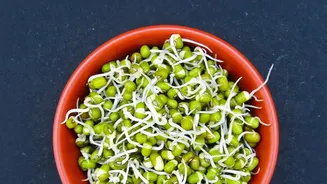
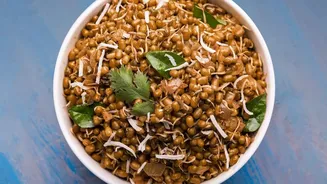
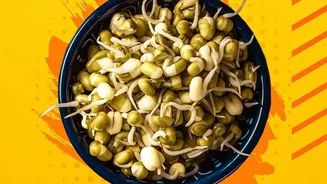
Sprouted legumes, such as moong, lentils, and chickpeas, are another traditional food making waves. The process of sprouting dramatically enhances their nutritional value. Germination breaks down anti-nutrients like phytic acid, making minerals such as iron, zinc, and magnesium more available for absorption by the body. Sprouting also increases the protein content and converts complex proteins into simpler amino acids, making them easier to digest. These sprouts are packed with vitamins, antioxidants, and live enzymes that reduce inflammation and support gut health. For post-workout recovery, a bowl of sprouted moong or chickpea salad offers a high-quality plant-based protein source that aids in muscle repair and reduces soreness.
How Do They Compare to Whey Protein?
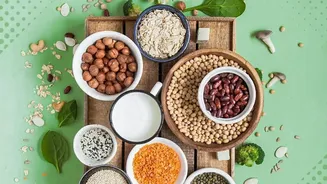
The main advantage of whey protein is its rapid absorption and complete amino acid profile, making it highly effective for immediate post-workout muscle synthesis. However, sattu and sprouted legumes offer a more balanced nutritional package. While sattu's protein is absorbed more slowly due to its fibre content, this provides a sustained release of energy and nutrients. For many, plant-based sources are also easier to digest, avoiding the bloating and lactose intolerance issues some experience with whey. Cost is another significant factor. Both sattu and legumes are far more affordable and accessible than most commercial protein powders, making them a more sustainable choice for daily nutrition. The choice ultimately depends on individual goals: for elite athletes needing rapid recovery, whey might have an edge. But for general fitness and overall health, sattu and sprouts provide a compelling, well-rounded alternative.
A Return to Sustainable, Local Nutrition
The growing popularity of sattu and sprouted legumes is more than just a diet trend; it’s a cultural shift. It reflects a broader movement towards embracing local food wisdom, prioritising gut health, and seeking sustainable wellness solutions. As more people realise that powerful nutrition doesn't have to come in a fancy tub, these humble Indian staples are rightfully claiming their place in the modern fitness landscape. They offer a perfect blend of tradition, science, affordability, and taste, proving that sometimes the best solutions are the ones that have been with us all along.