






The New Edible Itinerary
A significant shift is underway in how we explore the world. A growing number of Indian travellers are planning vacations around unique culinary experiences, with some reports indicating that for nearly 40% of travellers, food is a major factor in choosing
a destination. This isn't about simply booking a table at a fancy restaurant; it's a deeper, more immersive trend. The new travel itinerary is led by the gut—in every sense of the word. It's about seeking authenticity, not just luxury, and finding connection through the universal language of food. This global movement towards conscious living and meaningful experiences means travellers are prioritising the story behind their food. They are trading generic tourist traps for hands-on, ingredient-focused adventures that reveal the true character of a place.
The Funky Allure of Ferments
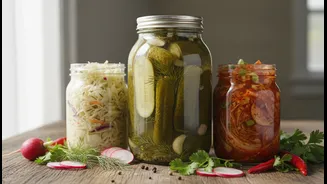
Fermentation is an ancient preservation technique that's finding a new, younger audience. Driven by a global interest in gut health and complex flavours, travellers are now seeking out the funk. This translates into booking workshops to learn the art of making sourdough, kombucha, or even traditional Korean kimchi. In India, this trend taps into a rich history of fermented foods, from the dosa and idli batters of the south to regional specialties. Across the country, workshops are bubbling up, teaching everything from the science of fermentation to DIY pickling, attracting locals and tourists alike who want to understand how to work with microbes to create flavour. It's a way to take home a skill, not just a souvenir.
Preserving Traditions in a Pickle Jar
No Indian meal is truly complete without the sharp, spicy tang of an achar, and this humble pickle is becoming a travel experience in itself. From Kashmir to Kanyakumari, India has a dizzying array of pickling traditions, and travellers want in on the action. Culinary tourism now includes workshops dedicated to the art of pickles, preserves, and chutneys, where knowledgeable home cooks and chefs share generational secrets. Participants learn about regional variations, seasonal ingredients, and the techniques to replicate these flavours back home. These sessions are more than just a cooking class; they are a delicious lesson in the history and cultural diversity of the subcontinent, one pickled mango at a time.
The Appeal of Fresh Produce
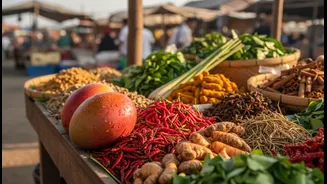
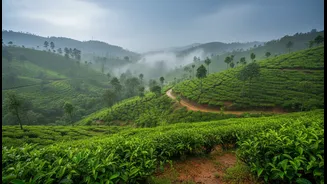
The farm-to-table concept has officially left the restaurant and checked into our vacation plans. Agritourism in India is booming, offering city dwellers a chance to reconnect with the land and see where their food comes from. These aren't rustic, bare-bones trips. Experiences range from staying in boutique farm stays in Maharashtra to touring the apple orchards and tea estates of Himachal Pradesh. Travellers can participate in harvesting, take cooking classes with ingredients they've just picked, and enjoy meals that define the term 'locally sourced'. In regions like Kerala, tours of spice plantations growing cardamom, cinnamon, and cloves offer a fragrant, hands-on experience. This trend allows travellers to appreciate the country's vast agricultural heritage while supporting local farming communities.
Treasures from the Coast
India's extensive coastline is a treasure trove of seafood, and culinary travel is diving in headfirst. The goal is no longer just to eat a good fish curry, but to experience the entire story of the catch. This can mean visiting fishing villages at dawn to watch the boats come in, navigating bustling local fish markets, and learning to prepare regional specialties like Goan fish fry or Malabari fish curry. Destinations like Goa, Kerala, and the Konkan coast are hotspots for these ocean-to-plate experiences. Some hotels and restaurants are even championing sustainability, curating menus that respect fishing seasons and support local fishermen, allowing diners to indulge with a clear conscience. It’s a full-circle culinary journey that celebrates the rhythm of the sea.