




The Customer Is Always Right (And Rarely Carries Cash)
The single biggest driver behind this digital leap is you, the customer. Modern shoppers prioritize speed and convenience above almost all else. The expectation for a seamless checkout, whether in-store or online, has become the norm. Consumers, particularly
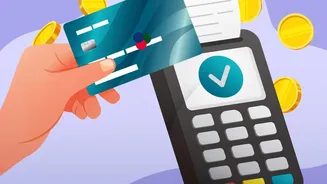
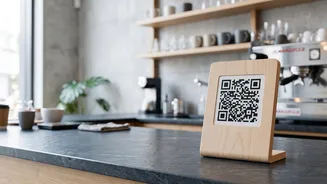
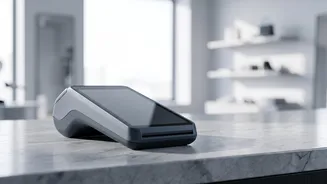
younger ones, are used to paying with a tap of their card or phone, and many no longer carry much cash at all. Research from 2026 shows that while cash is still used, debit and credit cards dominate, accounting for the vast majority of payments. For a small coffee shop or boutique, failing to offer these options means risking a lost sale simply because a customer can't pay the way they prefer. The pandemic accelerated this trend, framing contactless payments as a safer, more hygienic option, and customer habits have stuck.
An Engine for Efficiency, Not Just a Sale
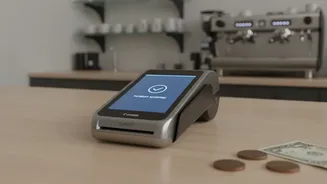
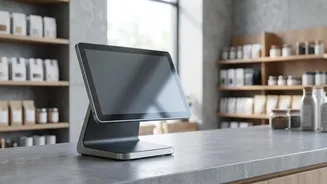
For a small business owner, accepting a digital payment does more than just complete a sale; it kickstarts a chain of efficiencies. Unlike cash, which requires manual counting, security, and trips to the bank, digital transactions are automatically recorded. This streamlines bookkeeping, simplifies tax filing, and reduces the risk of human error or theft. Modern point-of-sale (POS) systems from companies like Square, Clover, and Toast do much more than process payments. They can be linked directly to inventory management, automatically tracking what's sold and signaling when it's time to reorder. These systems also generate valuable data, giving owners clear insights into sales trends, peak hours, and popular items, empowering them to make smarter business decisions.
Keeping Up with the Competition
The corner store isn't just competing with the shop across the street anymore; it's competing with large national chains and online giants. These larger players have long offered sophisticated, convenient payment options as part of their customer experience. By adopting accessible and affordable digital payment technology, small shops can level the playing field. Offering multiple ways to pay, from digital wallets like Apple Pay to online checkout for local pickup, makes a small business more accessible and competitive. A 2021 survey found that 87% of new business owners who started during the pandemic considered access to electronic payments important for their success, highlighting it as a foundational tool, not a luxury.
Weighing the Costs and Challenges
The transition isn't entirely without friction. The most significant hurdle for many small businesses is the cost. Payment processors charge a fee for every transaction, typically a small percentage of the sale. While these fees can seem daunting, especially for businesses with thin margins, many owners find they are offset by the reduced operational costs of handling cash. There's also the initial investment in hardware, though technology like tap-to-pay on a standard smartphone is making this more accessible. Beyond cost, there can be technical challenges. Setting up the system, linking bank accounts, and training employees all require a degree of technical comfort that not every owner possesses. However, the benefits in increased sales, efficiency, and customer satisfaction often outweigh these initial challenges.