





A Common Kitchen Practice
Aluminum foil is one of the most versatile tools in the kitchen. It’s affordable, convenient, and excellent for a wide range of uses, from lining baking sheets for easy cleanup to wrapping sandwiches for lunch. Many households depend on it for packing
lunches, covering casseroles, and, most commonly, storing leftovers. Its ability to protect food from light, oxygen, and moisture makes it seem like an ideal barrier, prolonging the freshness of our food and preventing waste. However, while foil is a helpful ally for many kitchen tasks, its universal application for all food types deserves a closer look, especially when it comes to long-term storage.
The Science of Acidity and Salt
The main issue arises when aluminum foil comes into direct contact with certain types of food. Highly acidic or salty foods can cause a chemical reaction with the metal. Items like tomato-based sauces, dishes with lemon or vinegar, pickles, and even heavily salted meats can break down the thin, protective oxide layer on the foil's surface. This reaction can cause small particles of aluminum to leach from the foil into the food. The process is accelerated by heat, which is why cooking acidic ingredients directly in foil is particularly discouraged. This isn't just a theory; you may have even noticed the physical evidence yourself in the form of small, dark pits on the foil or a faint metallic taste in the food.
Understanding the Health Implications
The thought of metal leaching into food can be alarming, but it's important to keep the risk in perspective. Our bodies are exposed to small amounts of aluminum from many sources, including water and many natural foods, and a healthy person can process and excrete these trace amounts without issue. However, experts suggest that it's wise to minimize unnecessary exposure where possible. While occasional use of foil with reactive foods isn't considered a major hazard for healthy individuals, long-term, frequent exposure could contribute to a higher overall intake of aluminum. People with certain health conditions, particularly kidney issues, may have more difficulty excreting the metal, making it more important for them to be cautious.
Smarter, Safer Storage Solutions
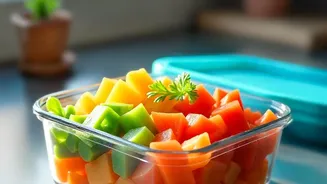
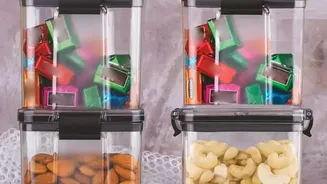
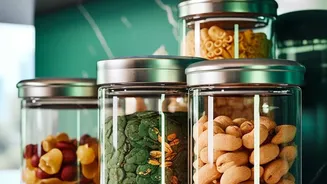
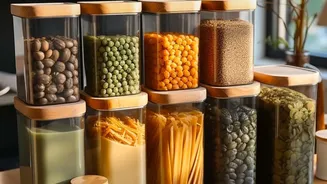
The good news is that preventing this reaction is simple and doesn't require you to abandon foil entirely. The key is to avoid long-term, direct contact between the foil and reactive foods. For acidic or salty leftovers like pasta with tomato sauce, chili, or marinated dishes, it's best to use glass, ceramic, or high-quality stainless steel containers with airtight lids. These materials are non-reactive and won't interact with your food. If you still want to use foil for its convenience, for example to cover a dish for baking, you can create a barrier. Simply place a sheet of parchment paper between the food and the aluminum foil. This prevents any direct contact and allows you to get the benefits of foil without the risk of leaching.
Best Practices for Foil Use
Aluminum foil remains a valuable kitchen tool when used appropriately. It is perfectly safe for wrapping non-acidic foods like sandwiches, baked goods, or plain roasted vegetables. It's also great for short-term covering of bowls in the refrigerator. The main rule to remember is to separate the foil from direct contact with highly acidic or salty foods, especially for cooking at high temperatures or for storing for more than a few hours. When cooking fish with lemon or chicken with a vinegar-based marinade in a foil packet, consider lining the foil with parchment paper first. For long-term storage of any leftovers, airtight glass or plastic containers are generally a better choice to maintain food quality and prevent any potential chemical reactions.