



The Most Common Reason: It’s Root-Bound
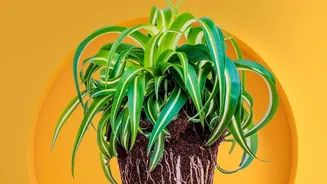
The classic sign that it’s time to repot is when a plant becomes “root-bound.” This means the roots have filled the entire pot, leaving little room for soil or new growth. You’ll know this is happening if you see roots poking out of the drainage holes
or circling the inside of the pot. Another clue is that water runs straight through when you water it, because there’s more root than soil to absorb moisture. A plant that dries out very quickly or has become top-heavy and unstable is also likely crying out for more space. When you see these signs, it's time to act. Gently slide the plant out of its pot to confirm. A dense, tangled mass of roots is your green light to find a bigger home.
The Soil Is Old and Depleted
Sometimes the pot size is fine, but the soil itself is the problem. Over time, usually every 12 to 18 months, soil can become depleted of essential nutrients. It can also become compacted, which prevents air and water from reaching the roots properly. You might notice that your plant’s growth has slowed down or stopped altogether, or its leaves are smaller than usual. You may also see a crust of salt and mineral deposits on the soil's surface from tap water and fertilizer. In this case, repotting isn't about giving the roots more space, but about giving them a fresh, nutrient-rich environment. You can often repot back into the same container, but only after completely replacing the old, tired soil with a fresh potting mix.
An Emergency Repot for Health Issues
Repotting can be a crucial treatment for certain plant health emergencies, most notably root rot and pest infestations. Root rot happens when a plant is overwatered and its roots sit in soggy soil, turning them brown and mushy. You may see wilting or yellowing leaves, even when the soil is wet. A fresh pot and soil are non-negotiable here. You'll need to trim away all the dead, rotting roots before repotting into a container with excellent drainage. Similarly, if you have a persistent pest problem, like fungus gnats whose larvae live in the soil, repotting can help. Discarding the infested soil and cleaning the roots before moving the plant to a new, clean home can remove the source of the issue.
Making More Plants: Division and Propagation
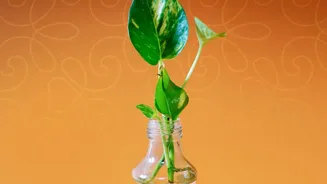
A happier reason to repot is when you want to propagate your plant. Many houseplants, especially those with a clumping growth habit, can be divided to create new plants. When the plant becomes too large for its pot or you simply want to share, you can remove it, gently separate the root ball into two or more sections, and pot each one individually. This gives each new plant a fresh start and prevents the mother plant from becoming overly crowded. It’s an effective way to manage the size of a vigorous grower while multiplying your green collection for free.
Getting the Timing Right
While emergency repotting for root rot can happen any time, most routine repotting is best done when the plant is actively growing. For most houseplants, this is in the spring or summer. Repotting just before this growth spurt allows the plant to quickly recover from the stress and establish itself in its new home. Its roots will eagerly explore the new soil, taking full advantage of the fresh nutrients. While you can repot at other times, doing so during the plant’s dormant winter period can increase stress, as the plant doesn't have the energy for recovery and new growth.