


The Brahmaputra in Full Splendour
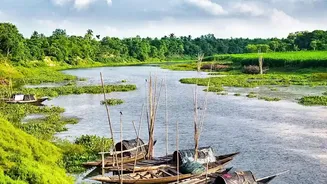
The lifeblood of Assam, the Brahmaputra River, becomes a truly formidable and awe-inspiring sight during the monsoon. Swelling with rain, the river can spread up to 18 kilometres wide in some areas, transforming the landscape entirely. During this season,
the heavy rainfall washes iron-rich sediment from the Himalayas into the water, often giving the river a distinct reddish-brown hue. While the river's power can lead to flooding, its monsoon avatar is a breathtaking spectacle of nature's force. A ferry ride or a simple walk along its banks in cities like Guwahati offers a humbling perspective on one of the world's mightiest rivers.
Waterfalls Roaring to Life
The monsoon is the season when Assam's waterfalls are at their most spectacular. Tucked away in its green hills are numerous cascades that transform from gentle streams into powerful, roaring spectacles. Panimur Waterfall in Dima Hasao district, sometimes called the 'Niagara of Assam', is formed by the Kopili River and becomes a massive, thundering force during the rains. Similarly, Sivakunda Waterfall in Morigaon becomes a photogenic paradise, drawing visitors from nearby Guwahati. These rain-fed wonders offer a dramatic and refreshing alternative to the state's more common sights.
The Spiritual Aura of Kamakhya Temple
Perched atop the Nilachal Hills in Guwahati, the Kamakhya Temple takes on a deeply mystical atmosphere during the monsoon. The rains wash the ancient stones clean, and the surrounding hills become a vibrant, lush green. This period is also culturally significant, as the temple hosts the Ambubachi Mela in June, a major festival celebrating fertility that attracts devotees from across the country, despite the heavy rains. Visiting during this season offers a quieter, more spiritual experience, with the sound of rainfall adding to the temple's serene and sacred ambiance.
A Different View of Majuli Island
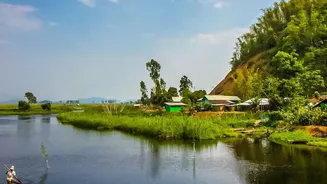
The world's largest river island, Majuli, offers a unique monsoon experience. While travel can be unpredictable due to the swelling Brahmaputra, those who venture here are rewarded with an island draped in an impossibly green cloak. The monsoon infuses new life into the surroundings, making the landscape incredibly fresh and picturesque. It’s a time to witness the island’s neo-Vaishnavite monasteries (Satras) in a peaceful setting and interact with local artisans. The experience is less about ticking off a checklist and more about immersing yourself in the slow, rain-soaked rhythm of island life.
Historic Sivasagar Washed Anew
The former capital of the Ahom dynasty, Sivasagar, is a town steeped in history, filled with ancient monuments, temples, and massive man-made tanks. During the monsoon, the rain washes these historic structures, like the Rang Ghar and Talatal Ghar, making them appear even more picturesque against overcast skies and lush greenery. The rain-drenched landscape provides a beautiful backdrop to explore the legacy of a powerful kingdom, offering a tranquil and visually stunning journey back in time.
Wildlife Parks in Rejuvenation
While major wildlife sanctuaries like Kaziranga and Manas National Parks remain closed during the monsoon to protect the ecosystem and wildlife from floods, this period is a vital time of rejuvenation for them. However, some other wildlife areas remain accessible. Dibru-Saikhowa National Park, a riverine park, becomes a wetlands paradise best explored by boat. Pobitora Wildlife Sanctuary, known for its dense rhino population, also offers a unique monsoon safari experience with its flourishing greenery. These alternatives provide a chance to see Assam's biodiversity in a completely different, rain-soaked light.