


Build a Powerful Flavour Base
The most common mistake is simply dumping everything into the pot at once. Great meals are built in layers, and the first layer is your flavour base. Before adding any liquids, take five minutes to sauté your aromatics. Finely chopped onions, garlic,
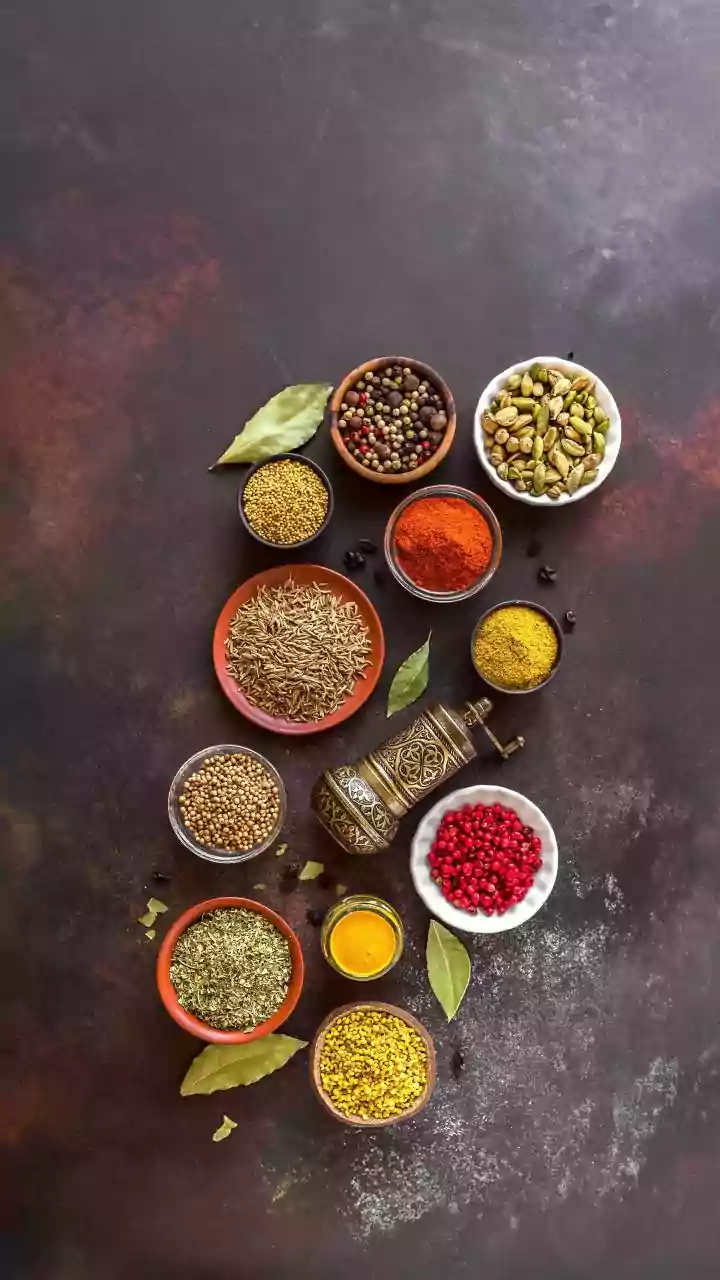
and ginger are the classic trifecta for a reason. Cooking them in a little oil until they soften and become fragrant creates a deeply savoury foundation. This is also the time to 'bloom' your spices. Add dried spices like cumin, coriander, and smoked paprika to the hot oil with the aromatics for about 30 seconds. This process unlocks their fat-soluble compounds, making them taste richer and more complex than if they were just stirred into water or broth later.
Master Ingredient Timing
To avoid the dreaded 'one-texture mush', think about the cooking time of each ingredient. Just because it's a one-pot meal doesn't mean everything goes in simultaneously. Start with your longest-cooking items. Hardy root vegetables like potatoes and carrots should be chopped smaller and go in early with the liquid. Your base grain, like rice or lentils, also goes in at the start. Ingredients that cook faster, such as bell peppers, broccoli, or zucchini, should be added in the last 5-10 minutes of cooking. This keeps them tender-crisp, providing a vital textural contrast. For very delicate items like spinach or fresh herbs, simply stir them in at the very end after the heat is turned off.
Leverage Your Pantry for Umami
Umami is the fifth taste, best described as a savoury, 'meaty' depth of flavour. You don't need meat to create it; your pantry is likely full of umami-rich ingredients. Soy sauce or its gluten-free alternative, tamari, is a primary source. A splash can add savoury depth to nearly any dish. Tomato paste, cooked down with your aromatics, provides a concentrated hit of flavour. Mushrooms, especially dried ones rehydrated, are another powerhouse. Even condiments like Marmite can be used in small amounts to boost the savouriness of a stew or gravy. Using vegetable stock instead of plain water also adds a foundational layer of flavour.
Add Texture with Toppings
One of the easiest ways to introduce variety is by adding a crunchy element right before serving. This creates a delightful contrast to the soft-cooked meal in the pot. Toast a handful of nuts or seeds—like pumpkin seeds, sunflower seeds, or chopped almonds—in a dry pan for a few minutes until fragrant. These can be sprinkled over the finished dish. Other great options include crispy fried onions or shallots, which you can buy ready-made, or even some crunchy toasted breadcrumbs. These simple additions provide a satisfying crunch that elevates the entire eating experience.
Finish with Acidity and Freshness
After a long simmer, the flavours in a one-pot meal can become muddled and flat. The secret weapon to make them 'pop' is a last-minute addition of acid. A squeeze of fresh lemon or lime juice, or a small splash of apple cider or red wine vinegar, stirred in right before serving, can brighten the entire dish. Acid cuts through richness and balances the flavours, making everything taste more vibrant. Similarly, fresh herbs add a final layer of aroma and taste. A handful of chopped fresh parsley, coriander, or dill can transform a heavy stew into something that feels fresh and lively.
Incorporate Creaminess (Without a Special Trip)
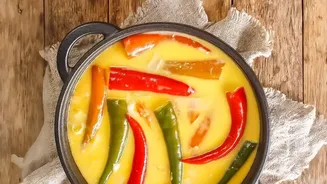
To add a luxurious, comforting quality, consider a creamy element. This doesn't require special vegan creams. A can of coconut milk is a pantry staple that can turn a simple lentil or chickpea dish into a rich curry. For a different kind of creaminess, a dollop of plain yoghurt or a spoonful of nut butter, like peanut or almond, can be stirred in to thicken sauces and add richness. Even a can of white beans, partially mashed with a fork against the side of the pot, can release starches that give the broth a creamier consistency.