



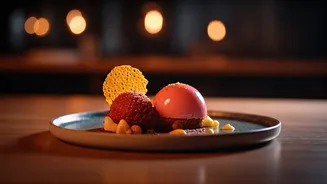


The Psychology of Glow
Lighting is the first thing that greets you, often before a host does, and it immediately begins to shape your mood. Bright, energetic lighting, common in fast-casual spots and cafes, is designed to stimulate and energize. This isn't just for a cheerful
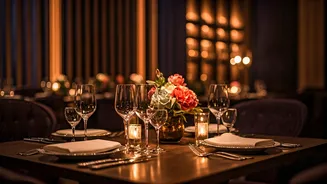
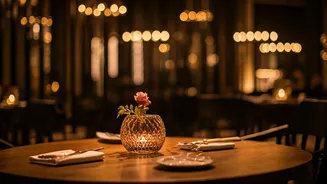
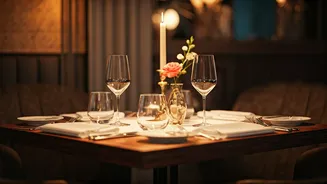
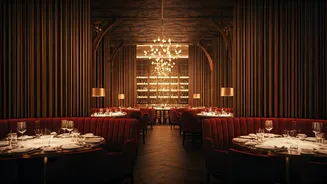
atmosphere; it subtly encourages faster turnover, which is ideal for high-traffic lunch spots. In contrast, the dim, warm glow of a fine-dining establishment or a cozy bar is engineered for relaxation. This low-intensity light fosters intimacy, encourages diners to slow down, relax, and linger longer. This slower pace often leads to ordering more, such as another round of drinks or dessert, directly impacting the restaurant's revenue. One study even found that dim lighting could increase the likelihood of ordering dessert significantly.
A Feast for the Eyes
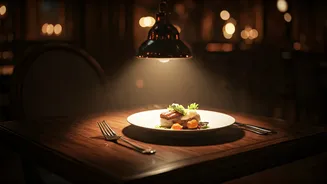
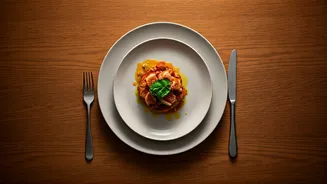
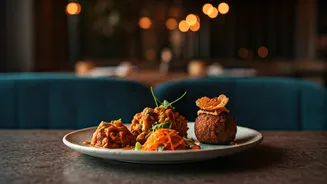
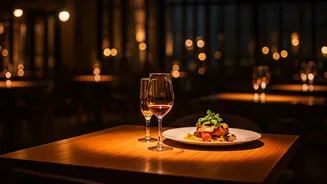
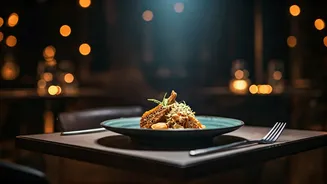
We eat with our eyes first, and lighting designers know this better than anyone. The right light can make food look dramatically more appealing. Focused lighting, like a pendant lamp over a table, acts as a spotlight for the chef's creation, making colours appear more vibrant and textures more defined. Warm, golden light makes dishes seem richer and more comforting, while the wrong light can make food appear dull or unappetizing. Some studies suggest that brighter light can even make diners perceive stronger, more distinct flavours in a dish. It's a deliberate technique to ensure the meal looks as good as it tastes, enhancing the entire sensory experience before you even take a bite.
The Perfect Picture
In the age of social media, a restaurant's photogenic quality is a powerful marketing tool. Good lighting design is crucial for creating those 'Instagrammable' moments that provide free advertising. Harsh overhead lights create unflattering shadows, but layered, softer lighting makes everyone look their best. Wall sconces, for example, cast a gentle, upward glow that can create the illusion of higher ceilings and make people's faces look more attractive. When diners feel good about how they look, they are more likely to snap a photo, tag the location, and share their experience with their followers, turning a meal into a viral recommendation.
Designing the Experience
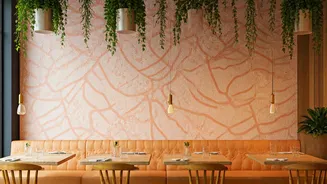
The most effective restaurant lighting is layered, combining three main types to create a dynamic and functional space. Ambient lighting sets the overall tone of the room, providing general illumination. Task lighting is more focused, ensuring you can read the menu and see your food clearly without it feeling like an office. Finally, accent lighting is used to highlight architectural details, artwork, or the bar, adding depth and visual interest to the space. Many modern Indian restaurants masterfully use this layered approach, blending traditional elements like ornate chandeliers with modern, adjustable LED systems to tell a story and reinforce their brand identity. The ability to adjust these layers, perhaps making the space brighter for lunch and more intimate for dinner, gives a restaurant incredible flexibility.