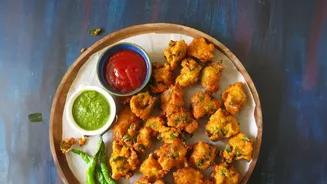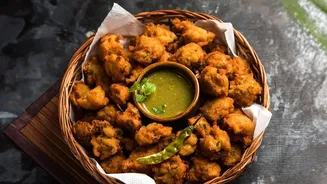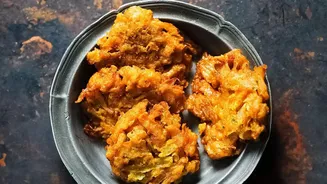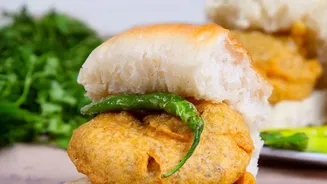


The Foundation: Your Bread Choice
The journey to a crispy pakora begins with the right bread. While it might seem counterintuitive, avoid using ultra-fresh, soft milk bread. Street vendors often use slightly older or denser white bread. This is because fresher bread contains more moisture,
which turns into steam during frying and can make the final product soggy from the inside out. A slightly drier, firmer bread slice holds its structure better, absorbs less oil, and provides a more stable base for the filling and batter, leading to that desirable contrast between a soft interior and a crunchy exterior.
Crafting the Perfect Batter
The batter, or 'besan' coating, is where much of the crispiness comes from. A common mistake is making the batter too thin or too thick. A batter that’s too watery will fail to coat the bread properly and will absorb excess oil. A batter that's too thick will result in a heavy, doughy coating. Aim for a smooth, lump-free batter with a consistency slightly thicker than a dosa batter but thin enough to coat the back of a spoon evenly. For an extra crunch, many vendors add a tablespoon or two of rice flour or cornflour to their besan mixture. This is a simple but highly effective trick to achieve a lighter, crispier shell.
Secrets within the Batter
Beyond its consistency, a few key additions to the batter can make a world of difference. A pinch of baking soda helps create a lighter, airier texture. Many recipes also call for adding a spoonful of hot oil from the frying pan directly into the batter just before you start frying. This technique helps the pakora's outer layer cook faster, making it crispier and less oily. When it comes to spices, ajwain (carom seeds) is a classic addition not just for its unique flavour but also for its digestive properties, which help counteract the richness of the fried food.
Keep the Filling Dry and Flavourful
If you’re making stuffed bread pakora, the potato filling is just as important as the coating. The enemy of a crisp pakora is moisture. Ensure your boiled potatoes are mashed well and aren't watery. After boiling, you can let them cool and even sit in the fridge for a bit to dry out. When preparing the spiced 'aloo masala', sauté the onions, ginger, and spices until they are fragrant, and then mix in the potatoes. Cook the mixture for a few minutes to evaporate any excess moisture. A dry, flavourful filling prevents the inside of the pakora from becoming steamy and compromising the crunchy exterior.
Mastering the Oil Temperature
The temperature of your oil is crucial. If the oil is not hot enough, the bread pakora will soak up oil like a sponge and become greasy. If it’s too hot, the batter will burn before the inside is properly cooked. The ideal temperature is medium-hot, around 180°C. A simple way to test it without a thermometer is to drop a small bit of batter into the oil. If it sizzles and rises to the surface immediately without browning too quickly, the oil is ready. Also, avoid overcrowding the pan. Frying too many pakoras at once will cause the oil temperature to drop significantly, leading to soggy results. Fry in small batches to maintain heat and ensure even cooking.
The Ultimate Technique: Double Frying
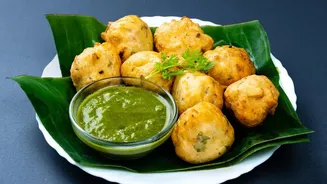
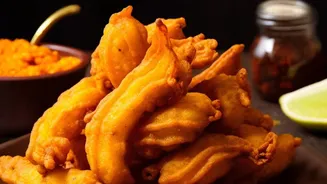
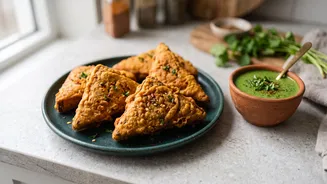
For that ultimate street-style, long-lasting crunch, the secret is double frying. This method is used for everything from French fries to various types of pakoras. First, fry the bread pakoras on medium heat until they are cooked through and have a light golden colour, which should take a few minutes per side. Remove them from the oil and let them rest on a wire rack for at least 10-15 minutes. Just before serving, increase the flame to medium-high and fry them again for a minute or two until they turn a deep golden brown and become incredibly crispy. This second fry drives out any remaining moisture and creates an unbeatable crust.