




Understanding the Foundation of Balance
Before we dive in, it’s helpful to understand what balance really is. It’s not just one thing. There's 'static balance', which is your ability to hold a still position, like standing on one leg. Then there’s 'dynamic balance', which is maintaining stability
while in motion, like walking or, you guessed it, skating. Both types rely heavily on something called proprioception—your body's internal GPS. It's the sense that allows your brain to know where your limbs are in space without you having to look. Nerves in your muscles and joints send constant updates, allowing for micro-adjustments that keep you upright. Both skating and Tai Chi are excellent for training this vital sense, but they go about it in fundamentally different ways.
Skating: Mastering Dynamic Instability
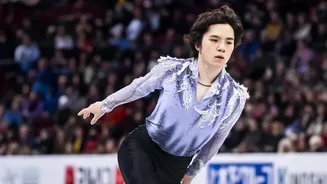
Skating, whether on ice or wheels, is an exercise in managing constant instability. You’re balancing on a thin blade or a few small wheels, often at speed. This forces your body to master dynamic balance. Every push, turn, and glide requires lightning-fast communication between your brain and muscles to prevent a fall. Your core, glutes, and leg muscles are in a constant state of engagement, making subtle adjustments to shifts in your center of gravity. This environment is reactive; you are constantly responding to the surface, your momentum, and external forces. This type of training sharpens your reflexes and builds strength in the muscles responsible for quick, corrective movements, particularly around the ankles and hips.
Tai Chi: The Art of Controlled Stillness
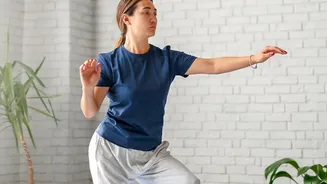
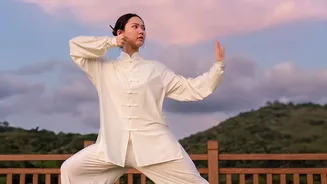
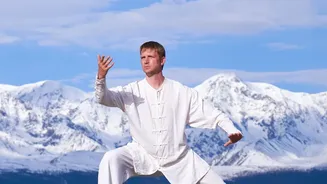
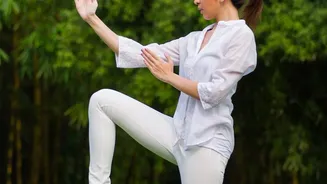
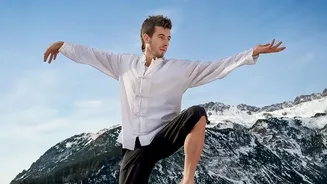
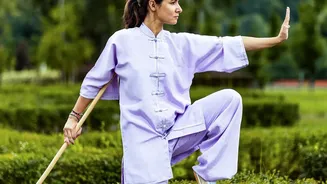
Tai Chi takes the opposite approach. Instead of reacting to speed, it challenges balance through slow, deliberate, and flowing movements. By shifting your weight gradually from one foot to the other and holding deep stances, you are consciously training your proprioceptive system. You have time to feel your center of gravity and make precise adjustments. This practice enhances your awareness of body position and strengthens the connection between mind and body. The focus is internal and predictive, learning to control your stability from within rather than reacting to external chaos. Research has consistently shown that regular Tai Chi practice is highly effective at improving balance and significantly reducing the risk of falls, particularly in older adults.
A Tale of Two Systems: Reactive vs. Deliberate
The core difference lies in how each activity stimulates your neuromuscular system. Skating trains your body to react instinctively to a loss of balance. It's about quick, powerful corrections on an unstable surface, building what you might call 'reactive stability'. It strengthens the muscles needed to save you from a trip or stumble in daily life. Tai Chi, on the other hand, builds a deep, foundational awareness of your body's alignment and center. The slow movements train the smaller stabilizing muscles and enhance the sensory feedback that helps you avoid losing balance in the first place. One study found that while both dedicated proprioception exercises and Tai Chi improve balance, participants often expressed more satisfaction and interest in Tai Chi, making them more likely to stick with it.
Which Path Is Right for You?
Choosing between skating and Tai Chi depends on your fitness level, goals, and personality. If you're seeking a high-energy, cardiovascular workout that hones your reflexes and builds lower-body power, skating is an excellent choice. It’s ideal for those who enjoy speed and dynamic movement. If you prefer a low-impact, meditative practice that reduces stress while systematically improving your body awareness, flexibility, and stability, Tai Chi is likely a better fit. Its gentle, adaptable nature makes it accessible to people of all ages and fitness levels, including those with joint pain or a fear of falling. Ultimately, both paths lead to better balance. The best exercise is the one you enjoy and will practice consistently. Combining elements of both—for instance, strength training from skating and mindful control from Tai Chi—could offer even more comprehensive benefits.