




The Power of Moving Gently
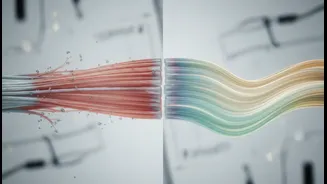
The practice is called active recovery: performing low-intensity exercise after a strenuous session. Unlike passive recovery (complete rest), active recovery is often considered more beneficial for general soreness. The goal is to keep blood flowing to your
muscles, which helps deliver essential nutrients for repair, clear out metabolic byproducts, and reduce stiffness. Studies suggest that this gentle movement can help you feel less fatigued and may decrease the duration of Delayed Onset Muscle Soreness (DOMS), the pain that typically peaks a day or two after a tough workout. Think of it as a way to keep the body’s healing processes running smoothly without adding extra stress.
Yoga: The Mindful Restorer
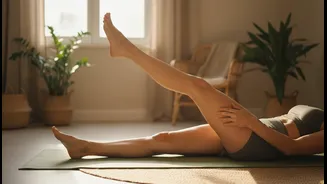
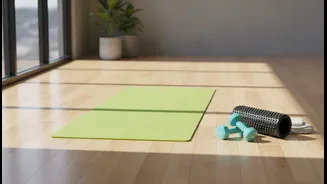
Yoga is far more than just stretching; it's a powerful tool for recovery. Its combination of gentle poses, controlled breathing, and mindfulness makes it uniquely suited for tired muscles. The movements can help keep muscles flexible and reduce the tightness that sets in after a hard workout. Engaging in yoga helps promote circulation to your tissues, which is crucial for repair. Furthermore, the focus on deep, rhythmic breathing can help calm the nervous system, lower stress levels, and create a state of relaxation that is conducive to healing. It’s a holistic approach that addresses both the physical and mental fatigue that can follow intense exercise.
Walking: Simple, Accessible, and Effective
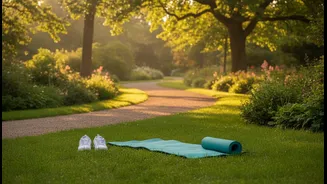
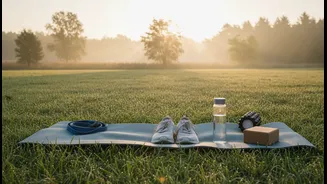
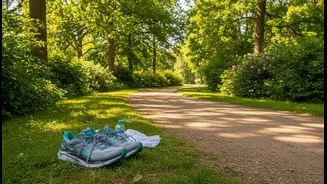
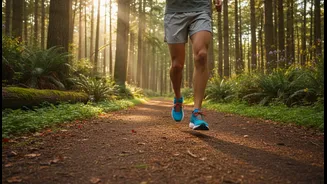
Perhaps the most accessible form of active recovery, walking is a simple yet potent way to aid muscle repair. A slow, leisurely walk the day after a strenuous workout enhances blood flow to tired legs and helps alleviate stiffness without taxing your joints. Even a 15- to 20-minute walk is enough to stimulate circulation and help your body flush out waste products that contribute to soreness. The beauty of walking is its low-impact nature; it keeps you moving and promotes healing without the risk of causing more muscle damage. Plus, getting outside for a walk can provide a welcome mental break, helping you feel refreshed and ready for your next challenge.
Swimming: The Weightless Wonder
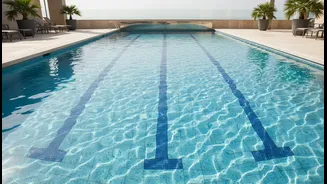
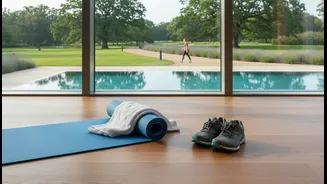
Swimming offers a unique environment for recovery that’s hard to replicate on land. The buoyancy of water supports your body, taking the pressure off sore muscles and aching joints, which can be particularly beneficial after high-impact activities like running. This weightless feeling allows you to move freely and gently stretch your entire body. The natural hydrostatic pressure of the water can also help reduce inflammation and swelling, while the cool temperature can be soothing for sore muscles. Gentle laps in a pool engage your muscles in a low-impact way, boosting circulation and helping you recover faster.
How to Make It Work for You
Incorporating active recovery is simple. The key is to keep the intensity low—you should be able to hold a conversation easily. Aim for no more than 50% of your maximum effort. On the day after a tough workout, consider a 20- to 40-minute session of one of these activities. A gentle yoga flow, a relaxed walk in a park, or a few easy laps in the pool can make a significant difference. It’s not about pushing yourself; it's about helping your body heal more efficiently. Listen to your body—if you are injured or in significant pain, passive rest might be the better choice.