



Why We Crave Heat and Crunch
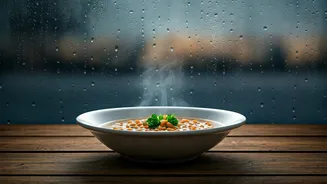
There's a scientific reason behind our monsoon cravings. The damp, grey weather can lead to a dip in serotonin, our 'happy hormone'. [18, 22] To compensate, our body seeks out carbohydrates and comforting foods. [18] Hot, fried snacks provide a satisfying
sensory contrast to the damp, cool environment. [11] The crunchiness offers a pleasing texture, while the heat provides warmth and a feeling of comfort. [20] From an Ayurvedic perspective, the digestive fire, or 'Agni', is considered weaker during the rainy season due to the humid conditions. [24, 25] Warm, freshly cooked food is easier to digest and helps keep the system running smoothly. [26]
The Undeniable Need for Cleanliness
While indulging cravings is part of the monsoon experience, cleanliness is non-negotiable. The rainy season creates a perfect breeding ground for bacteria and other pathogens due to increased humidity and waterlogging. [3, 8] This elevates the risk of foodborne and waterborne illnesses like typhoid, cholera, and gastroenteritis. [10, 17] Street food, as tempting as it is, becomes particularly risky. [8] Concerns include the use of contaminated water for cooking or making chutneys, ingredients spoiling faster in the humidity, and general unhygienic conditions in open-air stalls. [8, 12, 19] Therefore, being extra cautious about where your snacks come from is crucial for a healthy monsoon.
The All-Time Champion: Pakoras and Bhajiyas
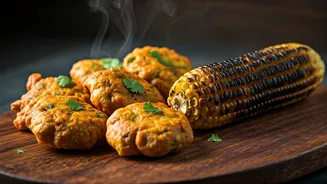
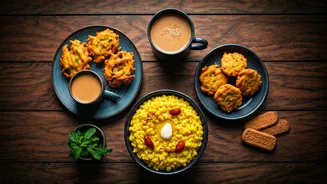
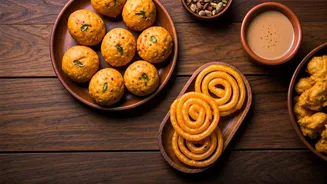
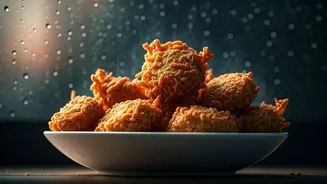
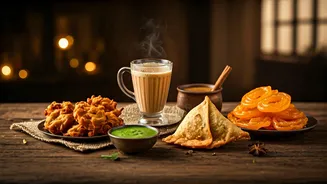
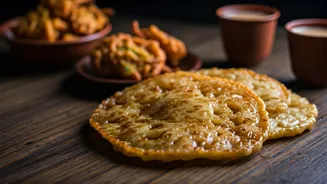
No monsoon snack list is complete without pakoras or bhajiyas. [4] These deep-fried fritters, made from vegetables like onion, potato, or spinach dipped in a spiced gram flour (besan) batter, are the quintessential rainy-day indulgence. [4] The key is the 'hot' and 'crunchy' factor—they are best eaten straight from the fryer. To ensure cleanliness, making them at home is the safest bet. This allows you to control the quality of the oil, the freshness of the ingredients, and the overall hygiene of the cooking process.
The Perfect Parcel: Samosas and Kachoris
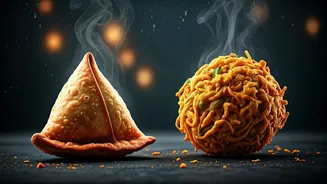
Another beloved classic is the samosa, a crispy pastry filled with a savoury mixture of spiced potatoes and peas. Similar in spirit is the kachori, a flaky, deep-fried pastry often stuffed with a spiced lentil filling. [7] Like pakoras, these snacks deliver the desired heat and crunch. When enjoying them, it's best to source them from a reputable vendor known for their hygiene or, better yet, prepare them at home. Ensure they are served piping hot, as freshly fried snacks are generally safer. [8]
The Healthy Contender: Bhutta (Roasted Corn)
For a healthier yet equally satisfying option, look no further than bhutta, or roasted corn on the cob. [6, 7] A common sight on Indian streets during the monsoon, corn is roasted over hot coals and then typically rubbed with lemon, salt, and spices. [7] It’s warm, flavourful, and provides a satisfying bite. When buying from a street vendor, watch them roast it in front of you to ensure it’s fresh and hot. This simple, rustic snack beautifully captures the essence of the monsoon without the oiliness of deep-fried alternatives.
Steamed and Savoury Alternatives
If you're looking to avoid deep-fried food, steamed snacks are a fantastic alternative. Momos, the popular Himalayan dumplings, served with a spicy dip, offer warmth and flavour. [7] Similarly, Gujarati snacks like steamed dhokla, which is light, spongy, and made from fermented batter, are easy on the digestive system. [5] These options still provide the comfort of a hot snack on a rainy day while being a lighter and often healthier choice. [14]