




Understanding the Rain-Shadow Effect
The secret to a dry monsoon vacation lies in geography. A rain-shadow region is a dry area on the leeward side of a mountain range—the side protected from the wind. In India, the mighty Himalayas and the sprawling Western Ghats act as massive barriers
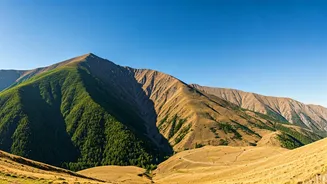
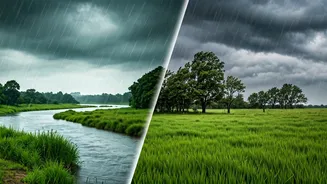
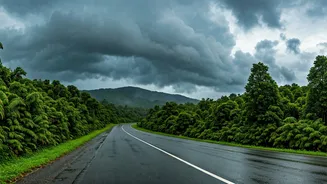
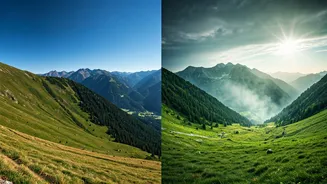
to the moisture-laden southwest monsoon winds. As these winds are forced to rise over the mountains, they cool and release most of their moisture as heavy rainfall on the windward side. By the time the clouds cross over to the other side, they have very little rain left to give, creating a dry, and often sunny, 'shadow'. This phenomenon is why you can have torrential rains on one side of a mountain range and pleasant, dry weather just a few hundred kilometres away on the other.
The Strategic Advantage for Travellers
Targeting these rain-shadow zones between June and September is the ultimate travel hack. While the rest of the country navigates flooded streets and cancelled plans, you can be exploring unique landscapes under surprisingly clear skies. The benefits are threefold. First, you get to experience popular destinations with significantly fewer crowds, as many travellers mistakenly avoid this period. Second, this often translates to better deals on flights and hotels, making it a budget-friendly window. Finally, the surrounding regions are at their greenest, meaning you get the dramatic beauty of post-rain landscapes without being caught in the downpour itself. It’s the perfect combination of pleasant weather, affordability, and unique scenery.
High-Altitude Haven: Ladakh and Spiti
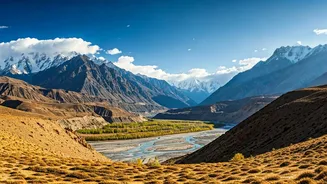
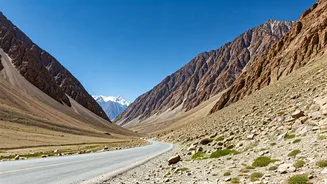
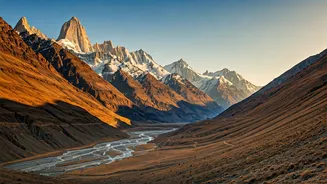
The most famous rain-shadow regions in India are the high-altitude cold deserts of Ladakh and Spiti Valley. Protected by the main Himalayan range, these areas receive minimal rainfall during the monsoon, making July and August the best time to visit. Ladakh offers dramatic landscapes of barren mountains, turquoise lakes like Pangong Tso, and ancient monasteries. While the approach roads via Manali or Srinagar can be susceptible to landslides in the lower, rain-fed hills, flying directly into Leh bypasses this risk almost entirely. Spiti Valley, or 'The Middle Land', is similarly dry and beautiful during this time, with its green-patched valleys and quiet villages like Kaza and Tabo offering a tranquil escape. The journey itself is an adventure, but the reward is a landscape largely untouched by the monsoon's fury.
The Other Side of the Western Ghats
The Western Ghats create a dramatic rain shadow on their eastern side. While coastal Maharashtra, Goa, and Kerala are drenched, the Deccan Plateau on the leeward side remains comparatively dry. This includes a significant part of interior Maharashtra, northern Karnataka, and western Tamil Nadu. Cities like Coimbatore and the temple town of Madurai in Tamil Nadu lie in this rain-shadow belt, receiving far less rainfall from the southwest monsoon. These areas offer a different kind of monsoon experience, focusing on cultural exploration, temple visits, and enjoying the pleasant, non-humid weather without the inconvenience of heavy rain. It's an opportunity to explore the rich heritage of the southern plateau while the coastal areas are soaked.
Planning Your Monsoon Escape
While rain-shadow destinations are largely dry, planning is still key. The approach routes, especially by road to Ladakh and Spiti, can be challenging and require flexibility and buffer days for potential delays caused by rain in the lower regions. For Ladakh, flying into Leh is the safest and most efficient option for those short on time. For the Deccan Plateau, check local weather, as climate change has sometimes led to unusual weather patterns. However, with a little research, a rain-shadow strategy opens up a whole new world of travel possibilities. It allows you to embrace the monsoon season, not by hiding from the rain, but by smartly navigating to where the sun is shining.