




The Great Millet Makeover
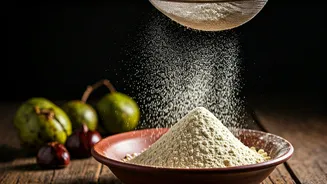
For generations, fasting staples revolved around a few key ingredients: sabudana (tapioca pearls), potatoes, and flours like kuttu (buckwheat) and singhara (water chestnut). While these classics remain beloved, a major health-conscious shift is bringing
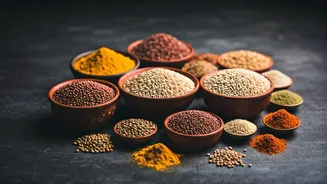
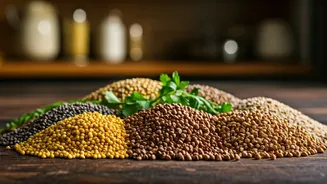
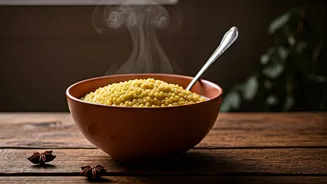
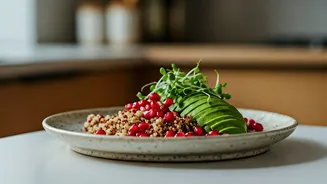
millets to the forefront. Grains like samak (barnyard millet), rajgira (amaranth), and even quinoa are becoming stars of the fasting kitchen. Why the change? Millets are packed with fibre, protein, and essential minerals, offering sustained energy—a welcome benefit during a fast. Instead of the usual puri or khichdi, chefs and home cooks are now experimenting with fluffy samak idlis, crispy rajgira dosas, and hearty millet upmas, proving that fasting food can be both spiritually compliant and nutritionally dense.
Baked, Not Fried: The Healthy Snack Shift
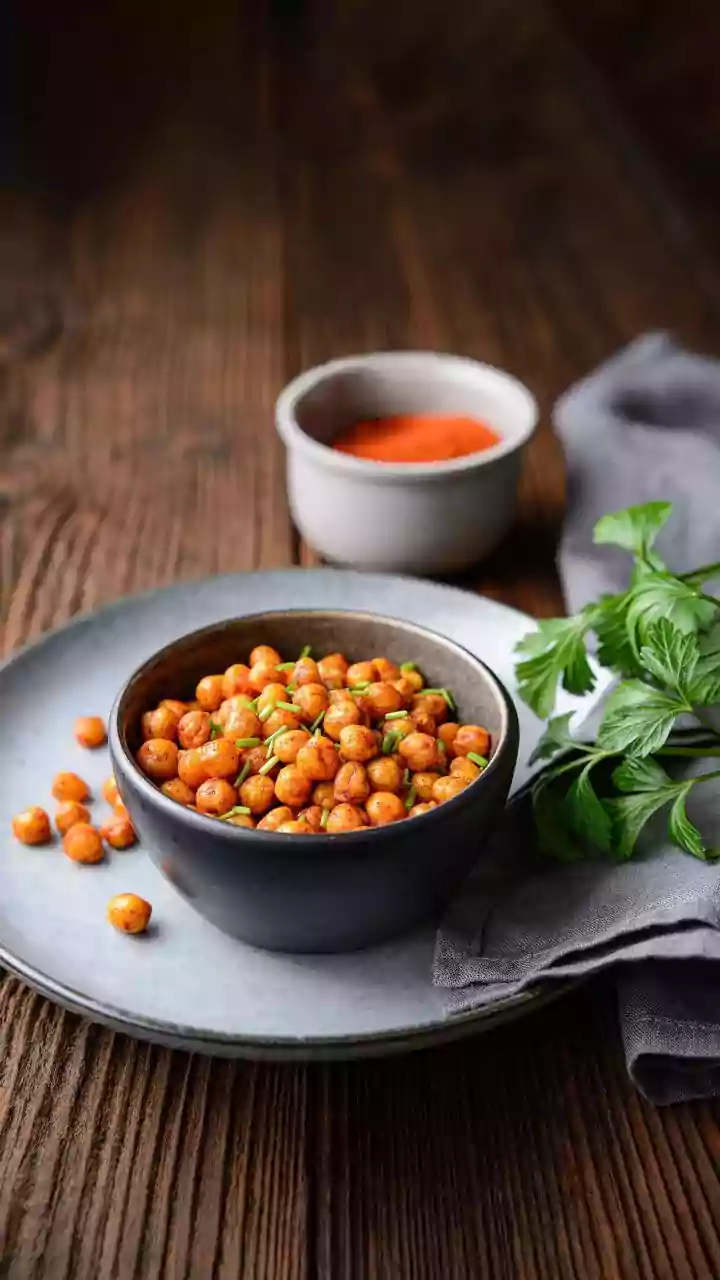
Let’s be honest: a big part of the joy of fasting food has always been the deep-fried snacks. Sabudana vadas, aloo tikkis, and kuttu puris are indulgent treats we look forward to. But as wellness becomes a bigger priority, the focus is moving from the kadai to the oven and the air fryer. This trend is about retaining the flavour you love while cutting down on the oil. Imagine crispy, golden-brown sabudana vadas that are baked instead of fried, or air-fried arbi (colocasia) fries seasoned with sendha namak (rock salt) and black pepper. Even desserts are getting a healthier spin, with baked sweet potato gulab jamuns or shakarkandi (sweet potato) halwa made with minimal ghee. It's the same comfort food, just reimagined for a modern, health-aware palate.
Global Flavours Enter the Fasting Kitchen
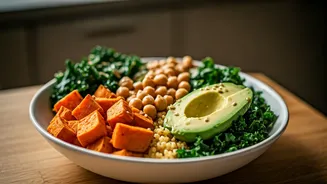
Who said fasting food has to be exclusively Indian? A more adventurous and globally-inspired approach is taking root. As long as the ingredients comply with fasting rules, there's no reason you can't enjoy international flavours. This has led to the rise of creative fusion recipes. Think Mexican-inspired sweet potato and black bean (if permitted in your tradition) bowls, but with fasting-approved spices. Or consider Italian-style zucchini noodles (zoodles) tossed in a simple tomato and basil sauce, garnished with paneer instead of Parmesan. Smoothie bowls are another huge trend, blending fruits like bananas and berries with yoghurt or coconut milk and topped with nuts and seeds for a refreshing and filling meal.
The Rise of the Gourmet Vrat Thali
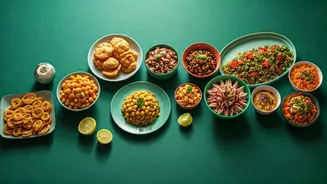
Restaurants are also getting in on the act, moving far beyond the standard-issue fasting thali. High-end and casual dining establishments alike are now curating elaborate, gourmet vrat menus, especially during major fasting periods like Navratri. These thalis are a testament to culinary creativity, showcasing just how versatile fasting ingredients can be. You might find a platter featuring paneer makhani made without onion or garlic, kuttu ki kadhi, jeera aloo with a twist, and a side of rajgira parathas. These offerings are not just for those who are fasting; they attract foodies of all kinds who are curious to taste innovative vegetarian cuisine. It has transformed fasting food from a necessity for the observant into a culinary event for everyone.
Beyond the Potato: A Vegetable Renaissance
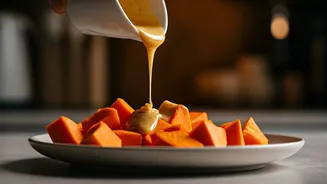
The humble potato has long been the undisputed king of fasting vegetables. But its reign is now being challenged by a host of other delicious and versatile produce. Vegetables like pumpkin (kaddu), raw banana, sweet potato (shakarkandi), and lauki (bottle gourd) are being used in much more imaginative ways. Raw banana is being turned into crisp, savoury cutlets or a satisfying sabzi. Lauki, often seen as bland, is being transformed into flavourful koftas served in a nut-based gravy. Sweet potatoes are being roasted, mashed, and turned into everything from tikkis to healthy fries. This diversification not only adds more nutrients to the diet but also breaks the monotony, making each meal a new experience.