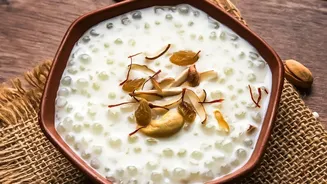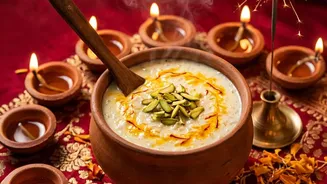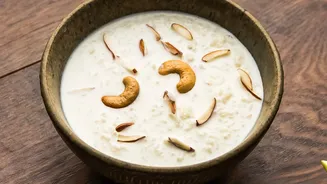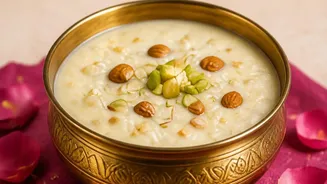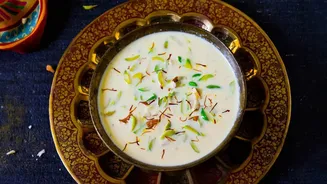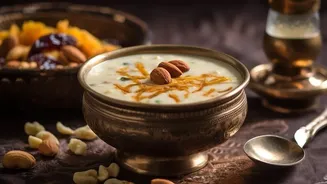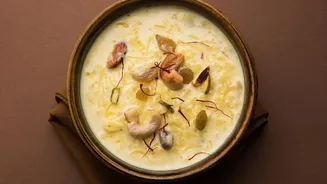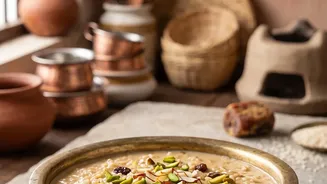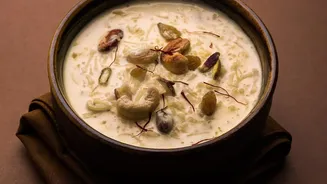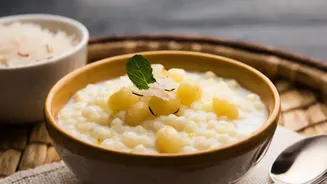

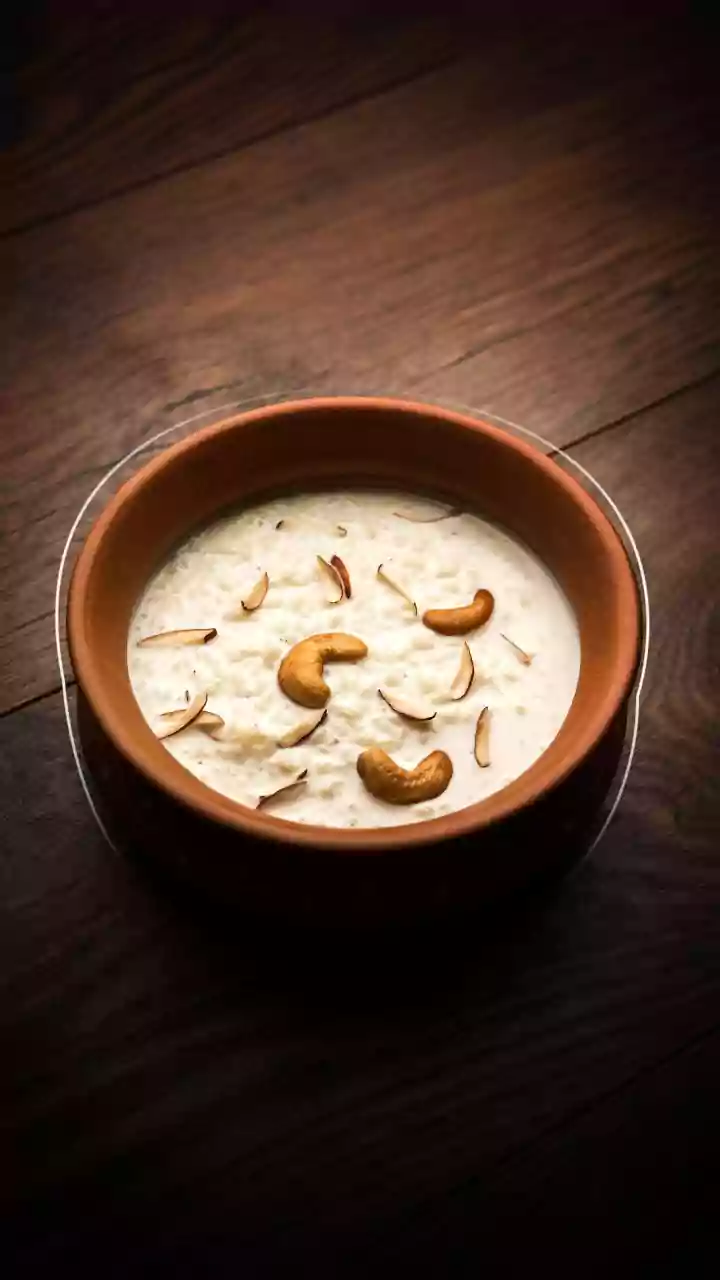
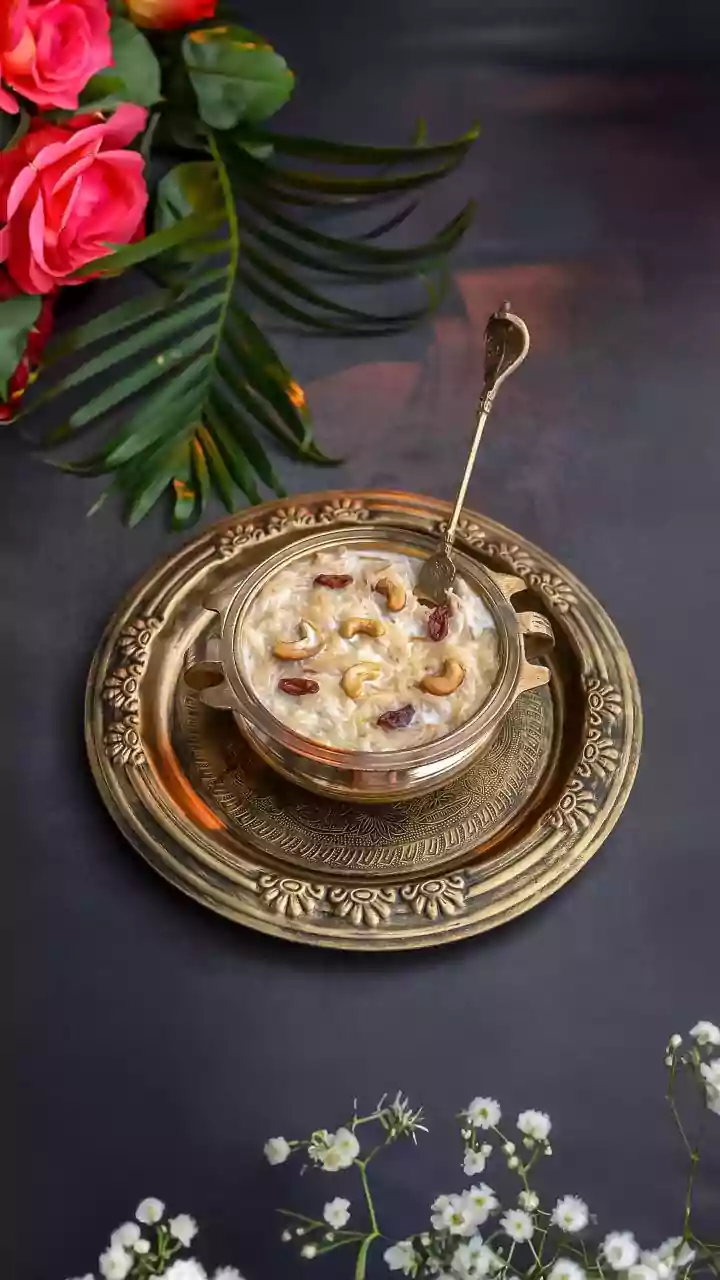

As winter’s cool embrace settles over North India, kitchens begin to simmer with traditional recipes that offer warmth and comfort. Among these is a unique, soul-satisfying dessert: Ganne Ki Kheer, a pudding that swaps milk for fresh sugarcane juice.
A Sweet Link to the Harvest
Ganne Ki Kheer, also known as Raskheer or Rasawal, is a quintessential winter delicacy, especially popular in Punjab, Uttar Pradesh, and Bihar. Its creation is intrinsically tied to the sugarcane harvest, which takes place during the colder months. This is when fresh, sweet sugarcane juice, or 'ganne ka ras', is available in abundance. The dessert is a celebration of this seasonal bounty, transforming the humble juice into a creamy, aromatic pudding. Traditionally, it's prepared during winter festivals like Lohri and Makar Sankranti, which mark the peak of the harvest season.
The Art of Simplicity
At its heart, Ganne Ki Kheer is a testament to the magic of simple ingredients. The most traditional recipes call for just two main components: fresh sugarcane juice and rice. Unlike conventional kheers that rely on milk and sugar for their sweetness and creamy texture, here, the sugarcane juice does all the work. It provides a distinct, earthy sweetness that is less intense than refined sugar but full of character. The choice of rice is also important; short-grain or aromatic varieties like Basmati or Gobind Bhog are often preferred as they cook down to a soft, pleasing consistency and release starch that helps thicken the kheer naturally.
The Slow-Cooking Method
Making this kheer is a lesson in patience. The process begins with clarifying the fresh sugarcane juice by bringing it to a slow boil and skimming off any impurities that rise to the surface. Some traditional methods even involve adding a little milk to help coagulate and remove this froth, resulting in a cleaner, clearer juice. Once clarified, the soaked rice is added, and the mixture is left to simmer gently on low heat. This slow-cooking process is crucial; it allows the rice to absorb the sweet juice and cook until tender without the juice curdling. Constant stirring is often required to prevent the kheer from sticking and to ensure a smooth, uniform consistency. The entire process can take time, but the result is a beautifully thick, fragrant pudding.
Variations and Serving Traditions
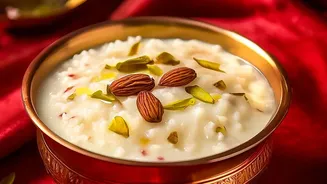
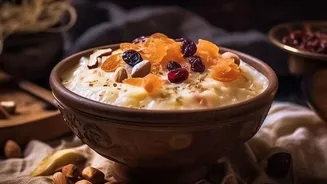
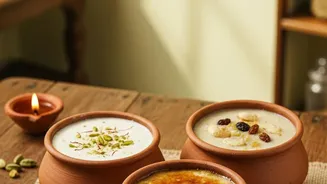
While the classic version is minimalist, many households add their own touches to enhance the flavour and texture. Green cardamom powder is a common addition for a hint of fragrance. Some recipes incorporate chopped nuts like almonds and cashews, or even roasted peanuts and dried coconut slices, for a delightful crunch. In some regions, the kheer is finished with a splash of milk or cream to add richness and balance the sweetness. Ganne Ki Kheer can be enjoyed warm, fresh off the stove, or chilled. A particularly interesting tradition in Punjab involves serving the cold kheer with a spoonful of plain yogurt (dahi), which provides a tangy contrast to the pudding's deep sweetness.