





An August Out of Character
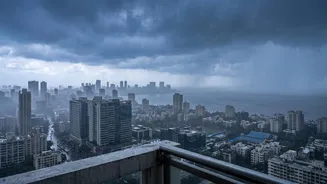
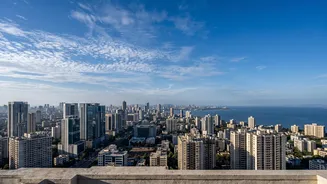
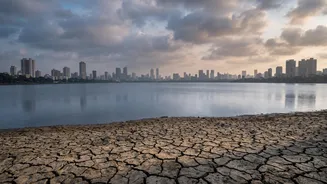
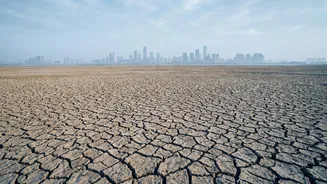
This August, Mumbai experienced a significant rainfall deficit, a stark contrast to the usual torrential rains that mark the peak of the monsoon season. Forecasts heading into the month had already warned that rainfall would be below normal for many parts
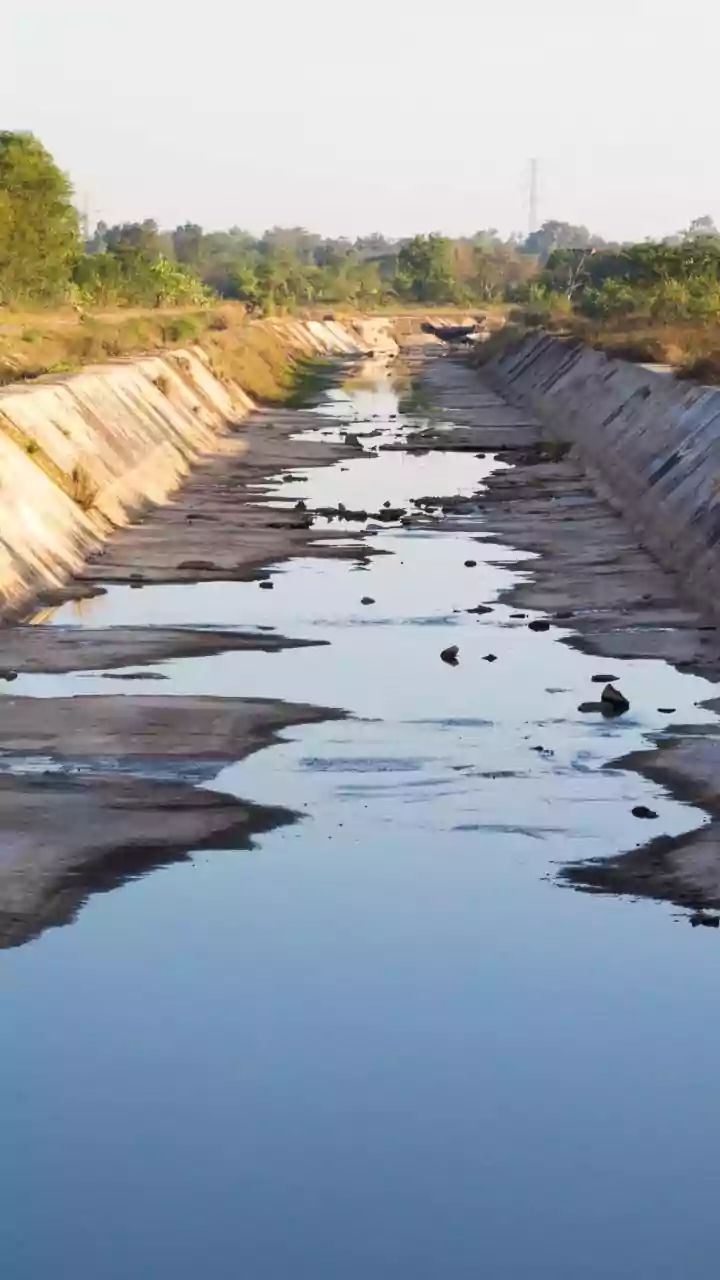
of western India. This shortfall is not just a statistical curiosity; it directly impacts the seven lakes that supply the city's drinking water, which were already at critically low levels earlier in the season, prompting water cuts. While July may have brought some recovery, a dry August amplifies anxieties about water security for the rest of the year, reviving memories of past water crises in 2009 and 1966 when severe deficits led to drastic cuts in water supply.
The Seesaw of Climate Volatility
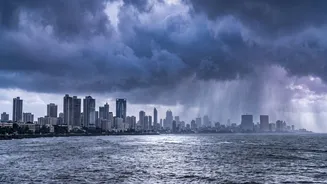
A single dry month might seem like a welcome reprieve from flooding, but for climate scientists, it's a clear signal of increasing volatility. The new reality for Mumbai's monsoon is a pattern of extremes: long dry periods punctuated by short, intense, and often destructive downpours. Experts note that climate change is fundamentally altering the monsoon's behaviour. Instead of the steady, moderate rainfall the city's infrastructure was built to handle, Mumbai now faces a seesaw effect. One year might bring devastating floods from a handful of extreme rainfall events, while the next might see a drought-like situation. This unpredictability is the hallmark of the climate crisis.
From Deluge to Drought and Back
The science points to a worrying trend. While the overall volume of monsoon rainfall is projected to increase in the long run, it will be delivered in more erratic and intense bursts. Studies project that Mumbai will see a significant rise in the number of heavy and very heavy rainfall days. A warmer atmosphere and ocean allow the air to hold more moisture, which is then released in powerful, overwhelming spells. So, a drier-than-average month like this August doesn't contradict predictions of a wetter future; it's part of the same chaotic pattern. The swing between too little water and too much water is becoming the new, dangerous normal for Mumbai.
The Bigger Questions for a Coastal Megacity
This leads to the bigger questions for Mumbai's future. How does a city plan for both floods and water scarcity at the same time? How can infrastructure designed for a stable 20th-century climate cope with the volatility of the 21st? The drier August is a stark reminder that the challenges are multifaceted. Beyond managing floods, the city must also secure its water supply, protect its coastlines from rising sea levels, and manage the increasing heat and humidity that also come with a changing climate. Projections indicate that large parts of low-lying Mumbai could be at risk of submergence by mid-century, a threat that demands a radical rethinking of urban planning.
Is Mumbai's Climate Plan Enough?
Mumbai does have a plan. The Mumbai Climate Action Plan (MCAP), launched in 2022, is a 30-year roadmap designed to build climate resilience and achieve net-zero emissions by 2050. It addresses key areas like urban flooding, energy efficiency, and increasing green cover. The plan aims to build flood-resilient infrastructure, improve drainage, and promote water reuse. However, the scale of the challenge is immense. The implementation of this plan, from upgrading decades-old drainage systems to protecting and restoring natural buffers like mangroves and wetlands, is a monumental task. The success of these initiatives will determine whether Mumbai can adapt to its unpredictable climate future or face recurring crises.