





Myth: You Need Protein Powder to Build Muscle
This is one of the biggest myths in the fitness world. While protein is absolutely essential for muscle repair and growth, the source is less important than the total amount consumed. Studies show that as long as your total daily protein intake is sufficient,
you can build muscle just as effectively with whole foods as with supplements. Foods like chicken, fish, eggs, paneer, lentils, and chickpeas provide the necessary amino acids. Protein powder's main advantage is convenience. A post-workout shake is quicker than cooking a meal, but it isn't magical. Think of it as a helpful tool, not a requirement.
Myth: More Protein Is Always Better
The idea that you should consume as much protein as possible is a misconception. Healthy adults need about 0.8 grams of protein per kilogram of body weight, though this increases for active individuals and older adults. Those who exercise regularly may need 1.4 to 2.0 grams per kilogram. However, research suggests that beyond a certain point, consuming more protein doesn't lead to more muscle growth. Your body can only use so much at once for muscle synthesis. Excess protein is either used for energy or, if you're in a calorie surplus, stored as fat. Consuming far more than needed can also place unnecessary strain on your body.
Myth: Protein Powder Will Make Women 'Bulky'
Many women avoid protein supplements fearing they will develop large, bulky muscles. This is physiologically very difficult to achieve. Gaining significant muscle mass requires a combination of very specific, intense weight training and a high-calorie diet, along with hormones like testosterone that are present in much lower amounts in women. A protein shake simply helps with muscle recovery and meeting daily protein needs; it won't single-handedly change your physique in this way. For most, it supports a leaner, more toned body composition when paired with regular exercise.
Myth: Protein Powders Are 'Cleaner' Than Food
While the word 'supplement' can sound pure, many protein powders are highly processed products. They can contain added sugars, artificial sweeteners, thickeners, and fillers. Some may even contain unwanted contaminants like heavy metals. In contrast, whole foods offer a complete nutritional package. A piece of chicken or a bowl of dal provides not only protein but also essential vitamins, minerals, and fibre that supplements lack. Whole foods also promote greater feelings of fullness, which can help with appetite regulation.
Myth: You Can't Get Enough Protein From a Vegetarian Diet
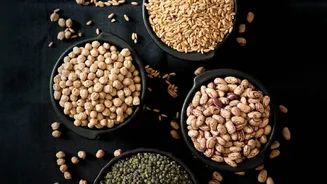
This is a persistent myth, especially in a country with a large vegetarian population. A well-planned vegetarian or vegan diet can easily meet protein requirements. Excellent plant-based sources are abundant in the Indian diet and include lentils (dal), chickpeas (chana), kidney beans (rajma), tofu, paneer, and Greek yogurt. Nuts and seeds like almonds and pumpkin seeds are also great sources. For instance, a cup of cooked lentils provides around 18 grams of protein, and 100g of paneer can have a similar amount. Combining different plant sources throughout the day ensures you get all the essential amino acids your body needs.