
A New Threat in the High Mountains
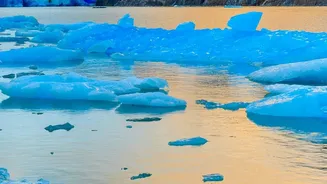
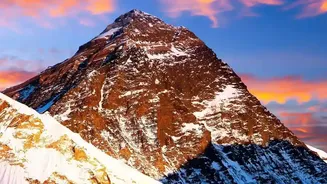
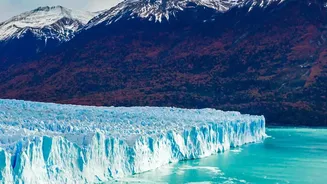
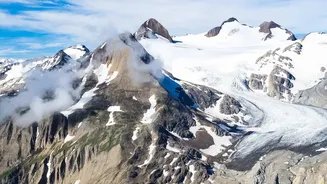
The threat is known as a Glacial Lake Outburst Flood, or GLOF. As global temperatures rise, Himalayan glaciers are melting at an accelerating rate. This meltwater often pools into large lakes, precariously held back by natural dams of loose rock and ice,
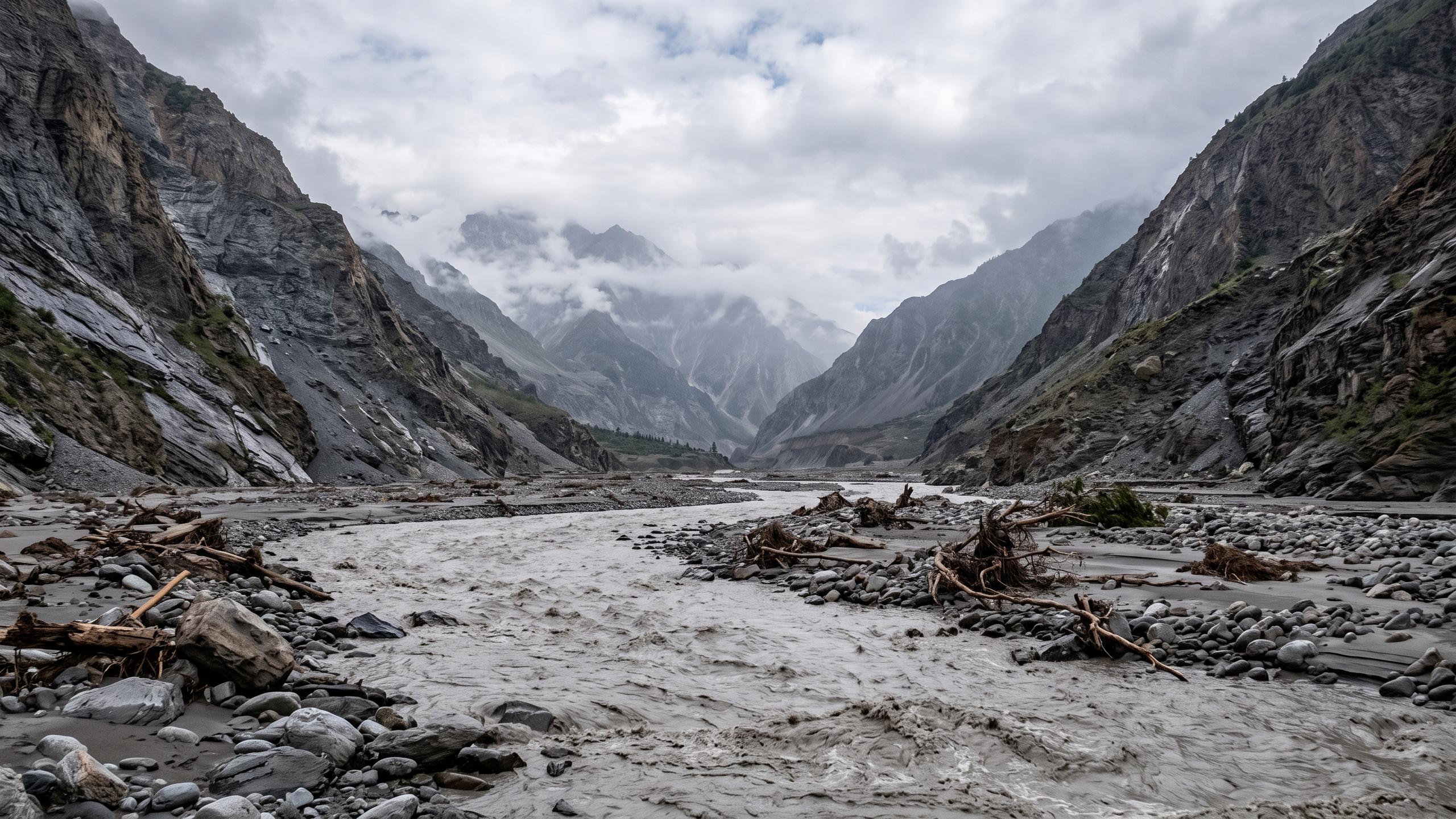
known as moraines. These moraine dams are inherently unstable. They can fail with little warning, triggered by events like a large chunk of ice falling into the lake, a landslide, or even just the immense pressure of the growing body of water. When they breach, they release a sudden, violent torrent of water, mud, and boulders that can devastate downstream valleys for hundreds of kilometres. A recent deadly flash flood in Nepal's Rasuwa district on August 26, 2026, brought the danger of GLOFs back into sharp focus, highlighting the vulnerability of communities and infrastructure.
A Climate Change Story Unfolding
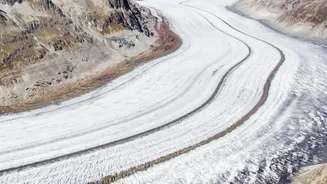
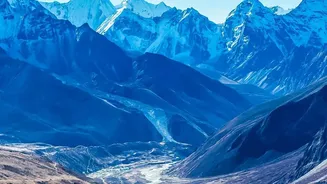
The Himalayas are warming at a rate faster than the global average, a fact that is visibly reshaping the environment. Glaciers that have been stable for centuries are now retreating, feeding dozens of potentially dangerous glacial lakes. Scientists have identified at least 47 such high-risk lakes across Nepal's major river basins. This isn't a distant, abstract problem. The increasing frequency of GLOFs and other extreme weather events, like erratic rainfall and unseasonal snowstorms, is a direct consequence of a warming climate. These changes are making the once-predictable trekking seasons shorter and more volatile, forcing guides and travellers to adapt to a new, less certain reality on the trails.
What This Means for Trekkers
For the thousands who travel to Nepal for trekking each year, these changes introduce new and serious risks. A GLOF can wipe out trails, bridges, and entire villages in minutes, with water levels in rivers rising several meters with terrifying speed. The danger isn't just the flood itself. Climate change is contributing to more frequent landslides, rockfalls, and trail erosion, making popular routes in the Annapurna, Langtang, and Manaslu regions more hazardous. Trekkers may find paths blocked, river crossings impassable, and campsites that were once safe now located in high-risk flood zones. Even beyond GLOFs, weather patterns are becoming harder to predict, with trekkers potentially encountering heavy rain, unexpected snow, or rapid temperature drops even during what was traditionally considered the prime trekking season.
Adapting to the New Reality
In response to the growing threat, authorities in Nepal, with support from international organisations, are working to implement early warning systems. These systems use sensors to monitor lake water levels and automated sirens to alert downstream communities, which can be crucial when a flood offers only minutes of warning. For example, the water level of Imja Tsho, one of Nepal's fastest-growing glacial lakes in the Everest region, was lowered by over three meters to reduce the risk of an outburst. However, monitoring the vast and remote Himalayan region is a monumental challenge, and some warning systems have fallen into disrepair or been destroyed by the very floods they were meant to detect.
How to Travel More Safely
This changing environment doesn't mean you must cancel your trip, but it does demand a higher level of awareness and preparation. The most critical step is to hire a licensed, experienced local guide who understands the new risks and can make sound safety decisions. Always check current trail and weather conditions before you set out, and be prepared to change your itinerary if warnings are issued. Key safety practices include ascending slowly to acclimatise to the altitude, staying hydrated, and carrying appropriate gear for all conditions, including waterproof layers and a first-aid kit. Never underestimate a river, even one you crossed safely hours earlier, as water levels can rise dramatically. Choosing campsites on higher ground, away from riverbeds, is also a crucial precaution.