



The Search for Soul in Our Spaces
After a long reign of minimalist white walls and neutral everything, there's a collective yearning for interiors that feel more personal and lived-in. This turn towards vintage isn't about creating a museum or a cluttered time capsule; it's about curation
over accumulation. The trend, sometimes linked to the rise of 'maximalism' or 'grandmacore', is a reaction against the 'catalog-perfect' homes that dominated social media feeds. People are looking to create spaces that reflect their unique identities and histories. Vintage design provides a perfect avenue for this, offering pieces with a past and a story, from a mid-century modern armchair to an Art Deco lamp or a rustic farmhouse table. The goal is to create a home that feels like a sanctuary—a space layered with meaning, comfort, and emotional connection.
Why Vintage Works Wonders in Small Homes
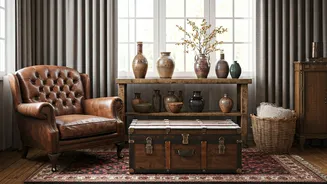
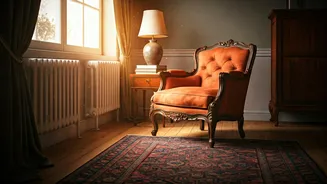
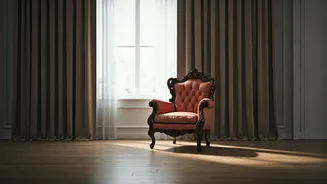
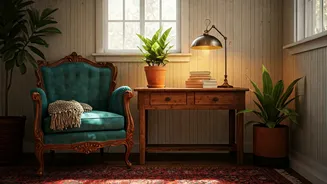
It might seem counterintuitive to fill a compact space with older, often ornate, furniture. But vintage design offers unique advantages for small homes. While minimalism promised peace through emptiness, vintage and maximalist approaches create vibrancy through intentional layering. In a small home, every item has to earn its place. Vintage pieces are often beautifully functional, like antique trunks that double as coffee tables with storage or elegant armoires that hide clutter. Furthermore, many older pieces were designed for smaller living quarters of their time, making their scale a surprisingly perfect fit for modern apartments and cozy cottages. A single, well-chosen vintage statement piece—like a carved mirror or a tufted chair—can anchor an entire room, providing a powerful focal point that new, mass-produced items often lack. Mirrors with intricate frames, in particular, are a classic trick to make a small space feel larger and brighter.
More Than Just Style: The Sustainable Choice
The return to vintage is also driven by a growing consciousness around sustainability. The 'fast furniture' industry, much like fast fashion, contributes to significant waste, with millions of items ending up in landfills annually. Choosing vintage is an inherently eco-friendly act. It extends the life of existing objects, requires no new raw materials or manufacturing energy, and significantly lowers a home's carbon footprint. A new piece of furniture can have a carbon footprint up to 16 times higher than an antique equivalent. These older items were often made with superior craftsmanship and high-quality materials like solid wood, designed to last for generations—a stark contrast to the particleboard and veneers common in many modern, disposable pieces. By choosing vintage, you are not only acquiring a unique item but also making a responsible choice for the planet.
How to Start Your Vintage Journey
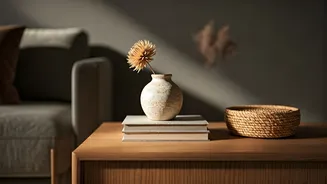
Incorporating vintage decor doesn't require a complete overhaul. The key is to start small and blend styles thoughtfully. Begin by looking for accessories like retro clocks, old books, or unique vases. A vintage light fixture can instantly change the mood of a room. Don't be afraid to mix eras or to pair a vintage armchair with a modern sofa. This eclectic approach, often called the 80/20 rule (80% modern, 20% vintage), ensures a space feels curated rather than dated. Layering different textures—like velvet, worn leather, warm woods, and brass—is key to achieving a rich, soulful look. Hunt for treasures at local flea markets, antique shops, or online marketplaces. The beauty of this approach is that a home evolves over time, becoming a deeply personal collection of things you love.