

The Great Kitchen Homecoming
There’s a growing fatigue with the global wellness machine. After years of being told to swap roti for quinoa and mustard oil for olive oil, many are questioning the narrative. This isn't just about cost; it's about a deeper sense of cultural and nutritional
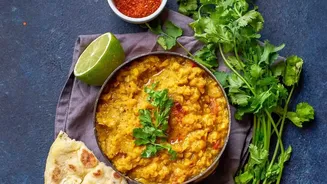
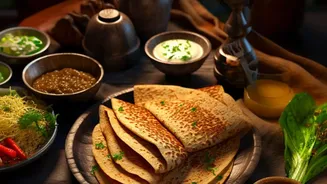
disconnect. The promise of exotic superfoods often overlooks the potent benefits of what’s already in our spice boxes and pantries. This has sparked a return to the basics—not as a step backward, but as a confident step forward. People are realizing that a balanced Indian meal, featuring staples like dal, sabzi, whole grains, and curd, is inherently designed for well-being. This shift represents a move away from chasing fleeting international fads and a return to time-tested culinary wisdom that feels both authentic and sustainable.
When Science Validates Grandma’s Wisdom
What was once dismissed as dated advice is now being validated by modern science. Take ghee, for instance. Once unfairly villainized as an unhealthy fat, it's now celebrated for its high smoke point and being a rich source of butyric acid, which is vital for gut health. Similarly, the turmeric in our dals and curries is prized for its anti-inflammatory compound, curcumin. Fermented foods like idli and dahi, long a part of Indian diets, are now recognized as excellent probiotics that support a healthy gut microbiome. This scientific backing gives a new layer of credibility to traditional practices, proving that the dietary advice passed down through generations was often rooted in a sophisticated, intuitive understanding of nutrition.
A Modern Answer to Modern Problems
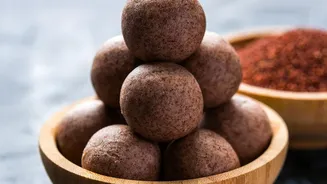
The rise in lifestyle-related health issues like diabetes, obesity, and heart disease has been a major catalyst for this dietary shift. The modern, often Westernized diet, high in refined flours, processed sugars, and unhealthy fats, is seen as a key contributor. In response, many are turning to traditional Indian dietary patterns for solutions. Millets, for example, have made a remarkable comeback. Once considered 'poor man's grain', these ancient foods are now celebrated for being gluten-free, high in fibre, and having a low glycemic index, making them ideal for managing blood sugar levels. A simple, home-cooked meal of dal-roti or khichdi is no longer just comfort food; it's a powerful tool for preventative health in a world grappling with chronic diseases.
More Than Food: A Cultural Reclaiming
This movement is about more than just nutrients; it's a form of cultural reawakening. There's a newfound confidence in Indian culinary identity, a sense that our food doesn't need a Western label to be considered healthy. Chefs and home cooks are championing regional, seasonal, and forgotten ingredients, moving away from a one-size-fits-all approach to cooking. This is reflected in the revival of heirloom rice varieties, the celebration of local vegetables, and the pride in micro-regional cuisines. Embracing traditional food becomes an act of preserving heritage and promoting sustainability. It's a recognition that the most effective wellness plan might just be the one that has been part of our culture for centuries, adapted for the modern age.