






Understanding Festive Special Trains
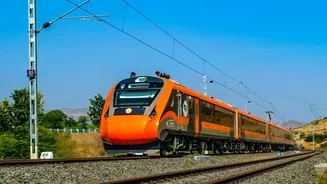
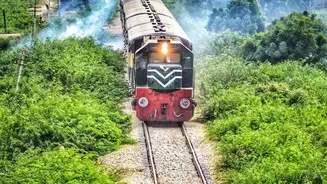
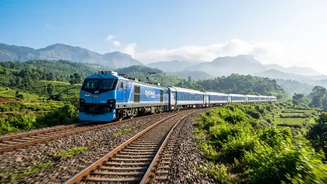
Every year, to manage the immense passenger rush during festivals like Diwali, Chhath Puja, and Holi, Indian Railways operates hundreds of 'special' trains. These services are temporary additions, specifically scheduled on high-demand routes connecting
major cities like Delhi, Mumbai, Bengaluru, and Kolkata with destinations across Uttar Pradesh, Bihar, West Bengal, and other states. Unlike regular trains, which have a fixed annual schedule, these are announced closer to the festival dates, typically 10 to 30 days in advance, providing a crucial second chance for those who missed out on initial bookings. While fares might be slightly higher due to a 'special charges' component, they offer a reliable way to get a confirmed berth during the busiest travel periods of the year.
Your Official Toolkit: IRCTC and NTES
Your first and most reliable resources are the official Indian Railways platforms. The Indian Railway Catering and Tourism Corporation (IRCTC) website and its 'Rail Connect' app are the only official channels for booking tickets online. For information, the National Train Enquiry System (NTES) app is indispensable. NTES provides the most accurate, real-time information on train schedules, live running status, cancellations, and platform numbers, as it gets data directly from the railway's control system. Using third-party apps can sometimes lead to confusion, as their data might not be as current. For finding and booking special trains, sticking to IRCTC for ticketing and NTES for enquiry is the safest and most effective strategy.
How to Identify and Find Special Trains
Finding these trains is easier than you think if you know what to look for. Most special trains have a unique numbering system; their five-digit number typically starts with '0' or '8'. When you perform a standard search on the IRCTC website or app for your route and date, these special trains will appear in the results alongside regular ones, often marked with a 'Special' tag. For proactive searching, keep an eye on the official press releases and social media handles of zonal railways (like Northern Railway or Central Railway), as they are often the first to announce new services. As of late October 2026, numerous special services have already been announced for the Diwali and Chhath Puja season across various zones, connecting key hubs like Delhi, Mumbai, Chandigarh, and Firozpur with destinations in Bihar and UP.
Step-by-Step Booking on IRCTC
The booking process for a special train is identical to that of a regular train. First, log in to your IRCTC account on the website or app. Enter your source and destination stations, along with your date of journey. On the results page, look for the special trains (remember the '0' prefix). After you select a train, click on 'Check Availability & Fare'. If seats are available, you can proceed to 'Book Now'. You will then need to fill in the passenger details—name, age, gender, and berth preference. Before you even start, it's a great idea to save passenger details in a 'Master List' on your IRCTC profile to auto-fill this section quickly, saving precious seconds during high-traffic booking sessions. Complete the process by making the payment through your preferred method, like UPI, net banking, or a mobile wallet.
Pro Tips for Beating the Rush
Securing a ticket during the festive rush requires speed and preparation. First, know the exact date and time bookings open—usually 60 days in advance at 8 AM for regular trains. For special trains, the advance reservation period (ARP) can be shorter, so check announcements regularly. Use a fast and stable internet connection. Keep your IRCTC e-wallet topped up for the quickest possible payment, as this avoids the delay of bank-side OTPs. If your preferred train is full, be flexible. Check for trains from nearby major stations or consider a 'break journey' booking, where you book tickets on two different trains with a stop in between. Lastly, don't give up if you get a waitlisted ticket, as special trains often see a high number of cancellations closer to the date, improving your chances of confirmation.