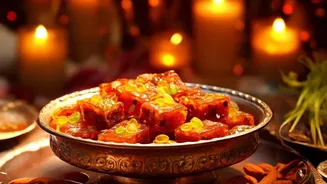




The Tradition of Bhog
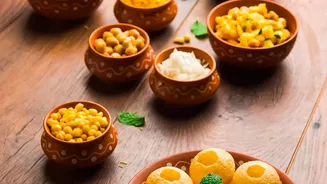
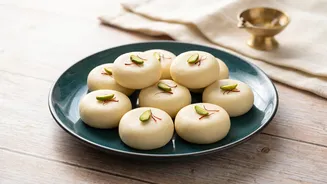
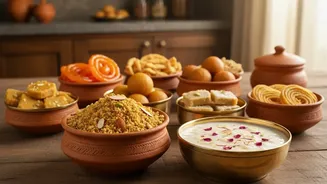
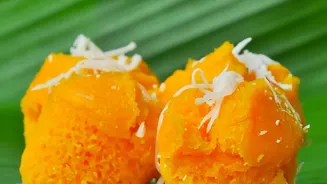
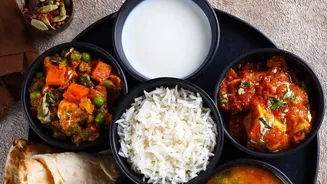
Preparing bhog—sacred food offerings for Lord Krishna—is a cherished part of Janmashtami celebrations. These dishes, made with pure ingredients, are first offered in prayer and then shared as prasad with family and friends. The tradition connects devotees
with the childhood stories of Krishna, particularly his fondness for butter and milk-based sweets. This year, you can bring that same divine spirit into your home with simple, traditional recipes that are both easy to prepare and deeply meaningful. From the nutrient-rich Panjiri to the creamy Makhana Kheer, these offerings are designed for a heartfelt celebration at home, allowing everyone to partake in the blessings of the festival.
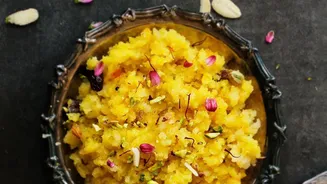
Dhaniya Panjiri
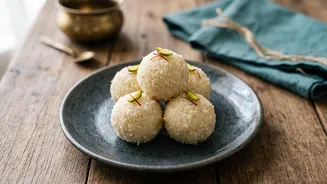
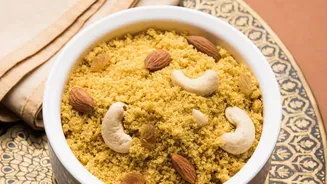
Dhaniya Panjiri is a quintessential prasad for Janmashtami, distinct from its whole wheat counterpart. Made with coriander seed powder, it's a fragrant, flavourful, and nutritious offering, often used to break the day-long fast. Ingredients: 1 cup coriander seed powder 3-4 tablespoons of ghee ½ cup powdered sugar or boora ¼ cup mixed chopped nuts (almonds, cashews) 2 tablespoons grated dry coconut ½ teaspoon cardamom powder Instructions: Heat ghee in a pan on low flame. Add the coriander powder and roast it until it becomes aromatic and slightly changes colour. Add the chopped nuts and roast for another minute or two until they are lightly toasted. Turn off the heat and allow the mixture to cool down for a few minutes. Once slightly cooled, mix in the powdered sugar, grated coconut, and cardamom powder. Combine everything well. Your Dhaniya Panjiri is ready to be offered as bhog.
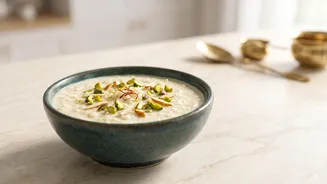
Makhana Kheer
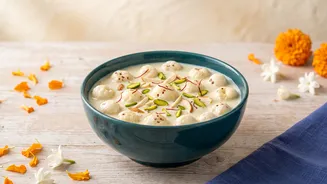
A creamy and delightful pudding, Makhana Kheer (or fox nut pudding) is a popular choice for festive occasions and fasting days. Its rich texture and simple preparation make it a perfect sweet offering for Lord Krishna. Ingredients: 1 cup makhana (fox nuts) 1 litre full-fat milk ½ cup sugar (adjust to taste) 1 tablespoon ghee Chopped nuts for garnish (almonds, pistachios) A pinch of cardamom powder A few strands of saffron, soaked in warm milk (optional) Instructions: Heat ghee in a pan and roast the makhana on low heat until they are crisp. Set aside to cool, then lightly crush about half of them, leaving the other half whole for texture. In a heavy-bottomed pot, bring the milk to a boil. Add the crushed and whole makhana and let it simmer on low heat, stirring occasionally, until the makhana softens and the milk thickens. This may take around 10-15 minutes. Stir in the sugar, cardamom powder, and saffron milk. Cook for another 5 minutes until the sugar has completely dissolved. Garnish with chopped nuts and serve warm or chilled.
Gopalkala
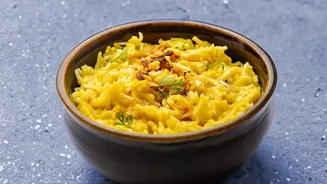
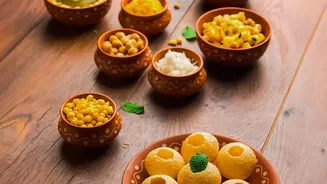
This dish is a special Maharashtrian preparation, named in honour of Krishna (Gopal). It’s a savoury and refreshing mixture that beautifully combines some of Krishna's favourite ingredients like flattened rice (poha) and yogurt. Ingredients: 1 cup thick poha (flattened rice) 1 cup yogurt (curd), whisked ½ cup cucumber, finely chopped 2 tablespoons grated coconut 1 green chili, finely chopped 1 teaspoon sugar Salt to taste For tempering: 1 tablespoon ghee, 1 teaspoon cumin seeds, a pinch of asafoetida (hing) Instructions: Briefly rinse the poha under running water and drain completely in a colander. Let it sit for about 5 minutes. In a mixing bowl, combine the whisked yogurt, sugar, and salt. Add the soaked poha, chopped cucumber, grated coconut, and green chili. Mix everything gently. To prepare the tempering, heat ghee in a small pan, add the cumin seeds and asafoetida, and let them sizzle. Pour the hot tempering over the poha mixture and mix well. Your Gopalkala is ready to be served.
Panchamrit or Charnamrit
Considered a divine nectar, Panchamrit is a sacred concoction of five ingredients and is essential in most Hindu pujas. The name translates to 'five nectars'—milk, yogurt, honey, sugar, and ghee. Ingredients: 1 cup raw milk (unboiled) ¼ cup yogurt (curd) 1 tablespoon honey 1 tablespoon powdered sugar 1 teaspoon ghee A few Tulsi (holy basil) leaves Instructions: In a clean bowl, whisk the yogurt until smooth. Add the milk, honey, powdered sugar, and ghee. Stir gently until all the ingredients are well combined. Do not over-mix. Add a few fresh Tulsi leaves before offering it as prasad. This simple, no-cook offering is symbolic of purity and is shared among devotees after the puja.