






A Lifeline From the Stars
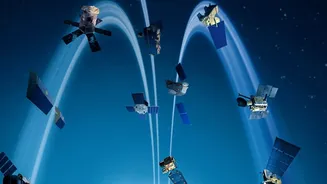
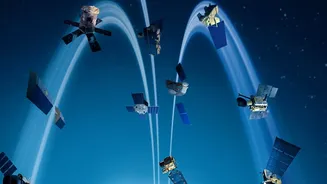
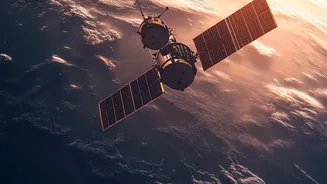
When the war began, Russia’s offensive included cyberattacks and physical strikes on Ukraine's communications infrastructure. Into this void stepped Starlink, a constellation of low-Earth orbit satellites operated by Elon Musk's SpaceX. Activated over
Ukraine just days into the conflict, it provided crucial internet connectivity. For the Ukrainian military, it was a game-changer, enabling drone operations, battlefield communications, and intelligence sharing in areas with no other reliable connection. For civilians, it kept them connected to the world and each other. It was quickly hailed as an indispensable tool, a donation of technology that had a tangible impact on Ukraine's ability to resist.
The Crimean Incident: A Line Drawn
The relationship, however, grew complicated. The most significant point of contention emerged from a planned Ukrainian attack on Russia's Black Sea fleet in occupied Crimea. According to details revealed in a biography of Elon Musk, he personally intervened to deny Starlink coverage in the region as Ukrainian sea drones approached their targets. Musk’s reported rationale was a profound fear that a successful attack on the Russian naval base could trigger a nuclear response from Moscow. He later confirmed on social media that he refused an emergency request to activate the service for the offensive operation, stating that doing so would have made SpaceX 'explicitly complicit in a major act of war and conflict escalation'.
Ukraine's View: A Costly Intervention
From Kyiv's perspective, this was not a theoretical exercise in de-escalation; it was a direct intervention that cost lives. Ukrainian officials, including presidential adviser Mykhailo Podolyak, publicly condemned the decision. They argued that by preventing the attack, Musk effectively allowed Russian warships to continue launching cruise missiles into Ukrainian cities, killing civilians. The sentiment was that a private citizen, however powerful, should not have the authority to make unilateral decisions that determine outcomes on the battlefield. The incident exposed a deep rift, with Ukrainian officials accusing Musk of causing 'evil' through his actions.
Unprecedented Power, Uncharted Territory
The dispute thrust a novel geopolitical question into the spotlight: how much power should a private company wield in an international conflict? Never before had a single individual's personal philosophy on war had the potential to directly thwart a sovereign nation's military strategy. The Starlink situation became a case study in the immense influence of 'techno-utopian' billionaires in global affairs. Critics argued that critical wartime infrastructure, even if privately owned, cannot be subject to the whims of a CEO. The episode raised urgent questions for governments worldwide about the regulation and control of private technologies that have become essential for national security.
The Pentagon Steps In: A Formal Arrangement
To resolve the uncertainty, the United States government stepped in. The Pentagon announced it had secured a formal contract with SpaceX to supply Starlink services to Ukraine. This was a pivotal move. The contract reportedly gives the US Department of Defense control over the signal and its geographic availability in the theatre of war. While SpaceX still owns and operates the satellites, the authority to decide where and when the network can be used for military purposes now rests with the Pentagon, not Elon Musk. This arrangement provides Ukraine with a more stable and predictable service, removing the risk of sudden denials based on one person's judgment, and institutionalizes the role of this critical technology within a formal military aid structure.