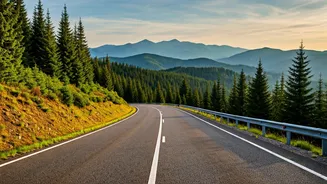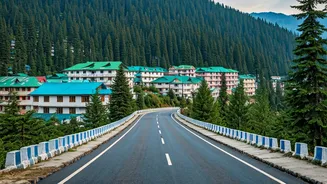

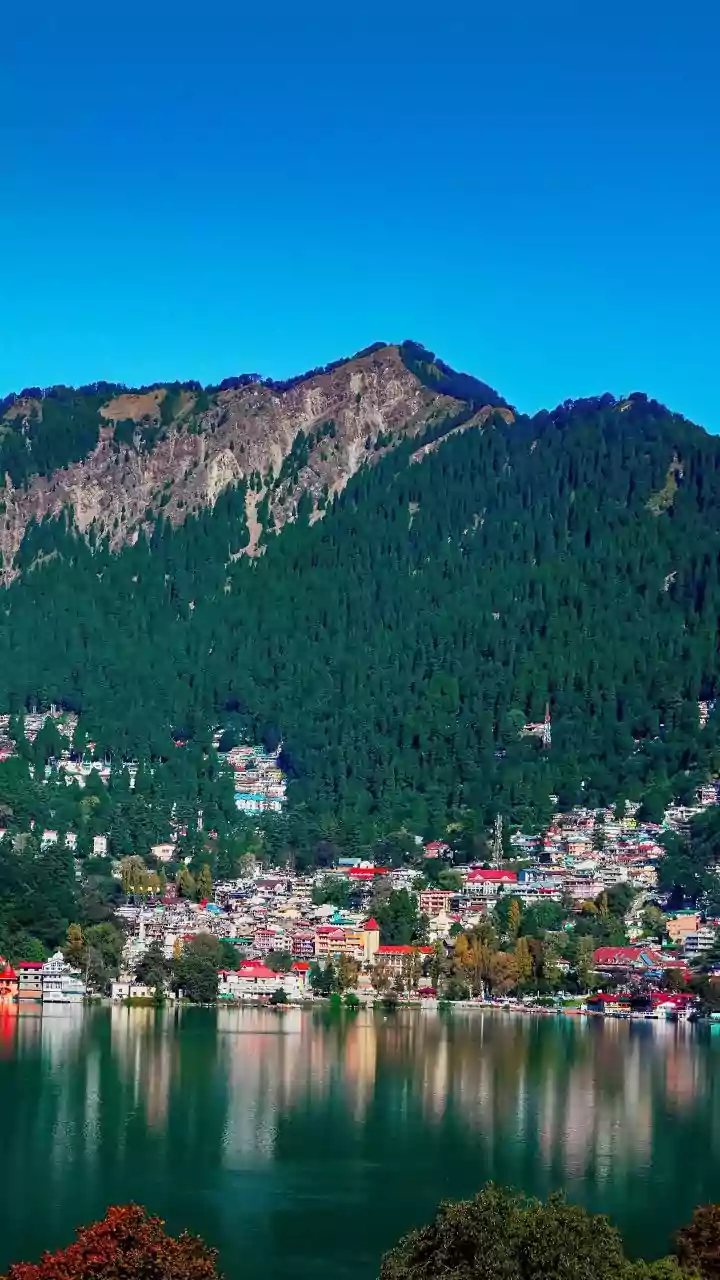


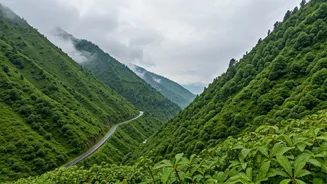


The Great Escape Turns into a Great Jam
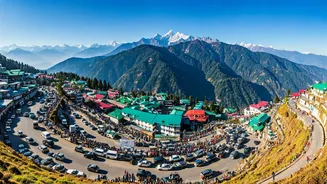
Popular destinations like Shimla, Manali, Mussoorie, and Dalhousie witnessed a massive surge in visitors, transforming serene mountain towns into bustling hotspots. [5] In Shimla alone, the situation was particularly intense. District police data from
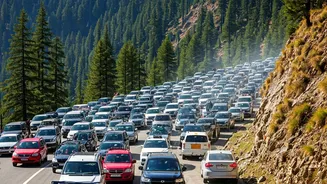
June 22 revealed that over 1.6 million vehicles entered the district in May and June, with nearly 40,000 vehicles navigating the roads daily over the weekend. [6] This influx led to predictable consequences: long, snaking traffic jams on key arteries like the Kalka-Shimla National Highway and the Mandi-Kullu-Manali route. [6, 5] Popular tourist spots such as Shimla's Ridge and Mall Road were crowded from morning until late, and parking areas were filled to capacity, testing the limits of local infrastructure. [6, 18]
Why the Sudden Surge?
The primary driver for this mass migration to the mountains is the scorching heatwave that continues to grip the plains of North India. [5, 11] With temperatures soaring, the cool, pleasant weather of Himachal Pradesh and Uttarakhand, often accompanied by refreshing showers, provides an irresistible draw. [11, 5] Recent reports from June 24 highlighted Shimla's pleasant climate and recent rainfall as a major attraction for tourists, particularly from Delhi, seeking respite. [11] The end of school summer vacations for many also contributes to the rush, as families take a final opportunity for a getaway. [13] Furthermore, a growing trend of spontaneous travel, fueled by a desire to escape urban chaos, has seen a significant portion of bookings being made just days before the trip. One hospitality chain noted that nearly half of its mountain bookings in June were made within 72 hours of travel. [7]
A Windfall for Local Economies
For local businesses, the boom is a welcome phenomenon. Hotel occupancy rates have skyrocketed, reaching 80 to 90 percent in popular destinations like Shimla and Manali over the weekend. [6, 13] This surge has provided a significant boost to the entire tourism ecosystem, including restaurants, local markets, and adventure activity providers. [6, 14] Many traders and hoteliers are calling this season one of the strongest since the COVID-19 pandemic, with the high footfall translating directly into increased revenue. [13, 6] The president of the Manali Hoteliers' Association noted that hotel occupancy in June has been consistently high, and the trend is expected to continue until the monsoon season fully sets in. [13]
The Other Side of the Boom: Strained Resources
However, this tourism success story has a downside. The sheer volume of visitors places immense pressure on the fragile ecology and limited infrastructure of these mountain towns. [18] The crippling traffic jams are the most visible symptom, turning what should be a short journey into a multi-hour ordeal. [20] Beyond the traffic, there are growing concerns about waste management and the strain on local resources like water. [16] Experts have pointed out that tourism beyond a region's carrying capacity can cause irreversible harm. [9] Authorities are now facing the difficult challenge of balancing the economic benefits of tourism with the urgent need for sustainable practices and better infrastructure management to preserve the very beauty that draws visitors in the first place. [5, 20]
The Road Ahead: A Glimpse into the Future?
As the weekend concludes, the travel boom offers a preview of what might be a new normal for North India's hill stations. With heatwaves becoming more frequent and intense, climate-driven tourism is on the rise. [18] In response, some authorities are already implementing strategies like diverting traffic to alternative routes and deploying additional police personnel. [13, 26] There is also a noticeable shift in traveler preferences, with some tourists beginning to explore lesser-known destinations like Tirthan Valley, Dobhi, and Rajgundha to avoid the crowds. [7] This trend could help distribute the tourist load more evenly, but it also highlights the need for proactive planning in these emerging hotspots. As more people seek solace in the hills, the need for sustainable, long-term tourism strategies has never been more critical. [20]