






The Power of Ginger
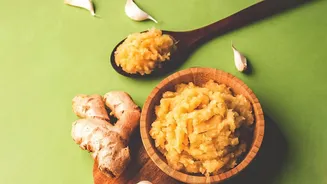
A staple in every Indian kitchen, ginger is a warming spice that is particularly beneficial during the cool, damp weather of the monsoon. It contains gingerol, a compound known for its potent anti-inflammatory and antioxidant properties. Nutritionists
recommend it to aid digestion, which can become sluggish during this season. A warm cup of ginger tea can soothe a sore throat, help clear respiratory congestion, and strengthen your immune response against common seasonal infections. Grating fresh ginger into dals, soups, or vegetable dishes is an easy way to incorporate this powerful root into your daily meals.
Garlic's Natural Defences
Garlic is highly valued as nature's antibacterial and antiviral agent. Its active compound, allicin, is responsible for many of its medicinal properties, helping the body fight off the germs that are more prevalent during the rains. Including garlic in your cooking can help boost your immunity and protect against common illnesses like the cold and flu. It supports metabolism and overall health, making it a non-negotiable part of a healthy monsoon diet. You can add it to almost any savoury dish, from curries and stir-fries to soups, to reap its protective benefits.
The Golden Glow of Turmeric
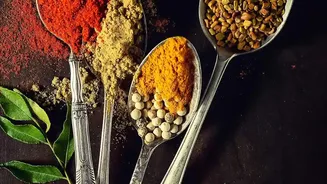
Turmeric, or Haldi, is celebrated in Ayurveda for its remarkable healing capabilities. Its main active ingredient, curcumin, has powerful anti-inflammatory, antioxidant, and antimicrobial effects that help fortify the immune system. During the monsoon, when the body is more susceptible to infections, turmeric can help your immune cells combat harmful pathogens. Many experts recommend drinking a glass of warm turmeric milk (Haldi Doodh) before bed to help fight off coughs and colds. For maximum benefit, it's often suggested to pair turmeric with a pinch of black pepper, which enhances curcumin absorption.
Probiotics for Gut Health
A significant portion of your immune system resides in your gut, making gut health crucial, especially during the monsoon when digestive issues are common. Probiotic-rich foods like fresh, homemade curd (yoghurt) or buttermilk are excellent for maintaining a healthy balance of gut bacteria. These beneficial bacteria support smooth digestion and bolster your body's natural defences against foodborne and waterborne illnesses. Nutritionists often advise consuming curd during the daytime to aid digestion and strengthen immunity. It's a simple, effective way to keep your digestive system running smoothly.
Seasonal Fruits and Vegetables
Embracing seasonal produce is a cornerstone of a healthy monsoon diet. Fruits like jamun, pears, pomegranates, and apples are packed with vitamins, minerals, and antioxidants that strengthen immunity. Pomegranates and other citrus fruits are particularly rich in Vitamin C, which is known to boost the production of infection-fighting white blood cells. On the vegetable front, gourds like lauki (bottle gourd) and karela (bitter gourd) are recommended as they are light on the stomach and easy to digest. However, it's crucial to wash all produce thoroughly and opt for cooked or steamed vegetables over raw salads to avoid contamination.
Warm Soups and Lentils
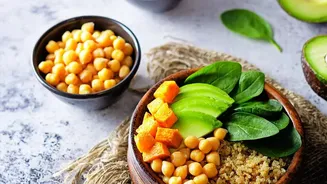
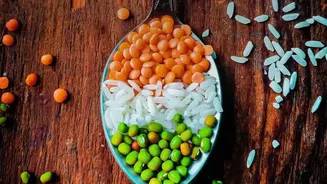
There’s nothing quite like a warm bowl of soup on a rainy day. Soups made with vegetables and lentils are not only comforting but also incredibly nutritious. They provide hydration, essential minerals, and help keep the body warm, which aids in fending off infections. Lentil-based dishes like dal and khichdi are light, protein-rich, and easy to digest, making them ideal meals for the season. These warm, cooked meals support digestion and provide the sustained energy needed to combat the sluggishness that can accompany the gloomy weather.
Nuts and Seeds for Energy
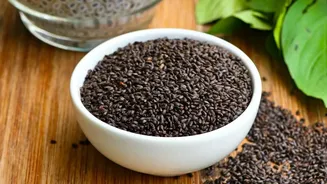
To keep your energy levels up, a handful of nuts and seeds can be a great addition to your monsoon diet. Almonds, walnuts, and flaxseeds are rich in healthy fats, protein, Vitamin E, and zinc. These nutrients support overall immune function and provide a much-needed energy boost. They make for a convenient and healthy snack, whether eaten on their own, soaked, or sprinkled over your morning oats or yoghurt. Their antioxidant properties also help protect your body’s cells from damage.