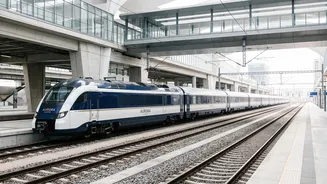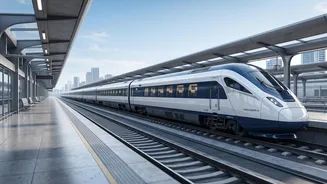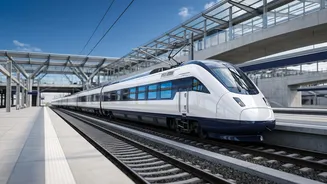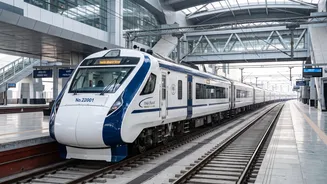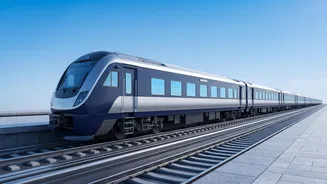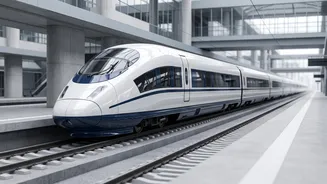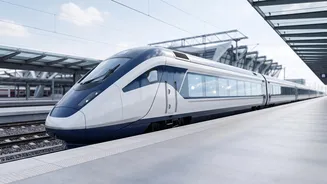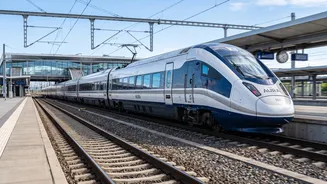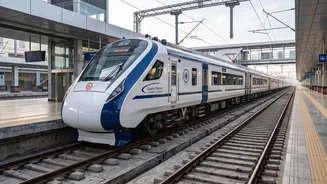




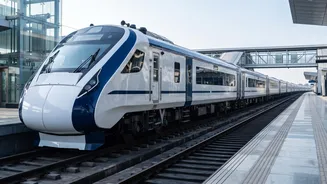
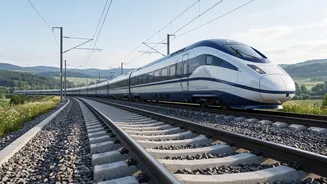
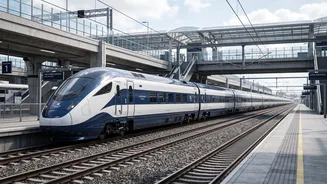
Indian Railways is set to redefine overnight journeys with an ambitious upgrade to its premier train service. The development of a longer, 24-coach Vande Bharat sleeper train marks a major leap forward in comfort, capacity, and speed for passengers.
A New Chapter in Overnight Travel
The
familiar experience of long-distance train travel in India is on the brink of a significant transformation. While the 16-coach Vande Bharat sleeper trains have already begun to modernise overnight routes, Indian Railways is now developing an even larger, 24-coach version. This extended train is designed to cater to high-demand routes, positioning it as a direct and modern successor to the iconic Rajdhani Express. The plan includes manufacturing 50 of these high-capacity trainsets, a clear signal of the railways' commitment to upgrading its long-haul passenger services. This initiative, jointly developed by the Integral Coach Factory (ICF) in Chennai and manufactured by firms including BEML, represents a major milestone in bolstering India's rail infrastructure.
More Capacity, Superior Amenities
The most significant change in the new design is the sheer scale. The 24-coach configuration is expected to accommodate a large number of passengers, with some reports indicating a capacity of 1,224, a substantial increase from the 823 passengers on the 16-coach version. This extended rake will be composed of First AC, AC 2-Tier, and AC 3-Tier coaches. Beyond just numbers, the onboard experience is getting a major overhaul. Plans include a fully air-conditioned pantry car to serve fresh meals, supplemented by mini-pantries in every coach. Passenger comfort is a priority, with features like cushioned berths, individual reading lights, and charging points. For the first time on a large scale, First AC coaches may feature hot shower facilities, truly creating a 'hotel on wheels' experience.
Engineered for a Smoother, Faster Ride
Like its chair_car and 16_coach sleeper counterparts, the 24_coach Vande Bharat will be a self_propelled trainset. This distributed power system, with motors in alternating coaches, eliminates the need for a separate locomotive engine, allowing for faster acceleration and deceleration. This technology is key to reducing overall journey times. The trains are designed to operate at speeds of up to 160 km/h. Passengers can look forward to a noticeably smoother, jerk_free journey thanks to advanced suspension and superior coupling technology between coaches. Sealed gangways and automatic doors will help maintain a cleaner, temperature_controlled environment, reducing noise and dust from the outside.
Focus on Passenger Experience and Safety
The new design incorporates numerous quality_of_life improvements. The interiors will feature modern, lightweight panels and thoughtfully designed lighting. Toilets are being upgraded to aircraft_style bio_vacuum systems, which are cleaner and more efficient. Special attention has been given to accessibility, with plans for a specially designed toilet for passengers with disabilities that also includes a baby_care station. Safety remains paramount, with the trainsets equipped with KAVACH, India's indigenous anti_collision system. The coach bodies are built with high_strength stainless steel and advanced crash protection measures for enhanced passenger safety.
The Manufacturing and Rollout Plan
Bringing these advanced trains to the tracks is a massive industrial effort. The Integral Coach Factory (ICF) in Chennai is leading the charge, with a target to finalize the design and begin production. Recent reports indicate the first prototype of the 24_coach train could be ready by mid_2027. To achieve this, Indian Railways has placed significant orders with various manufacturers. US_based Wabtec has been contracted to supply critical components like braking systems, doors, and gangways. This large_scale project involves multiple partners, including BEML, an Indo_Russian joint venture named Kinet Railway Solutions, and a consortium of Titagarh and BHEL, all contributing to the broader Vande Bharat sleeper program.