



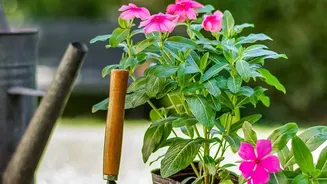
Setting Up Your Balcony Garden
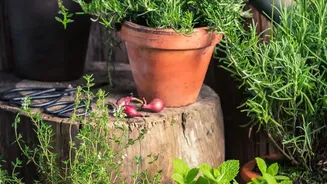
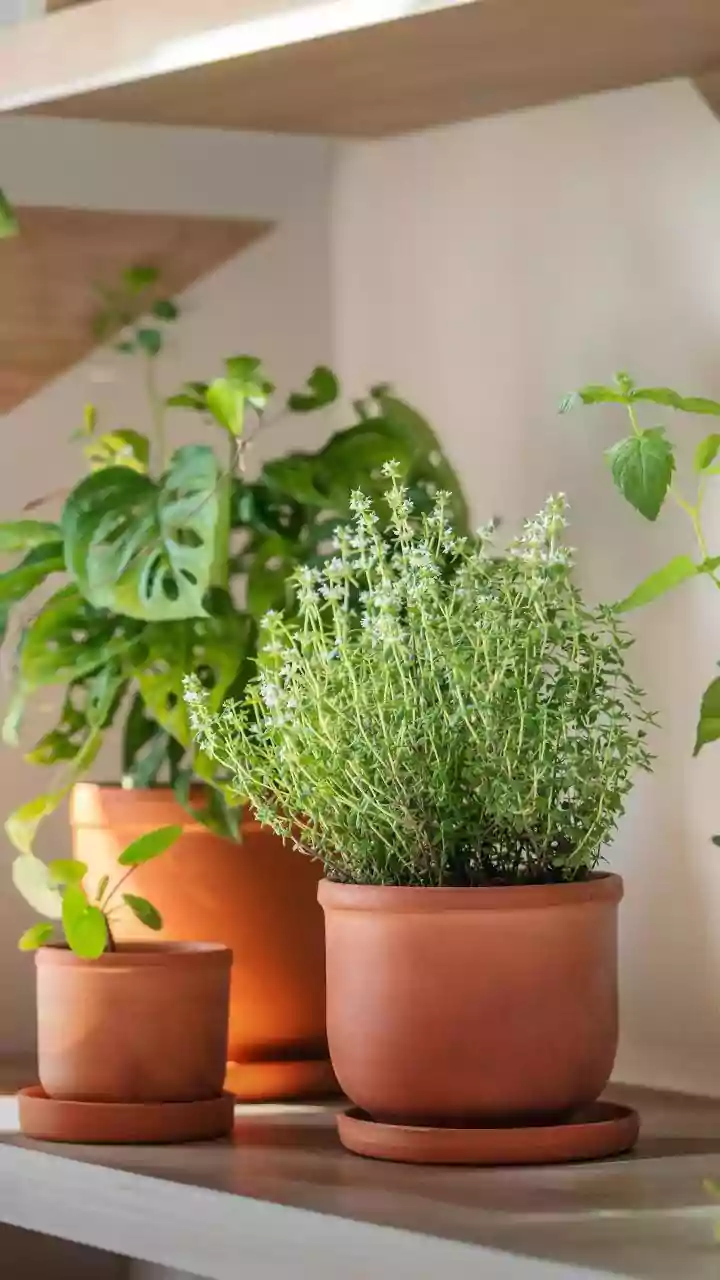
The foundation of a successful balcony garden lies in a few key choices. First, select the right containers. Terracotta pots are excellent as they are porous and allow roots to breathe, but plastic pots retain moisture longer. Whichever you choose, ensure
they have drainage holes at the bottom, as herbs dislike waterlogged soil. For soil, avoid using dense garden soil which compacts in pots. A high-quality potting mix is a must. You can create your own by blending potting soil with compost for nutrients, and a little coarse sand or perlite to improve drainage and keep the mixture light and airy. Finally, observe your balcony. Note which spots receive at least four to six hours of sunlight, as this will determine where your sun-loving herbs will thrive.
The Queen of Herbs: Growing Basil
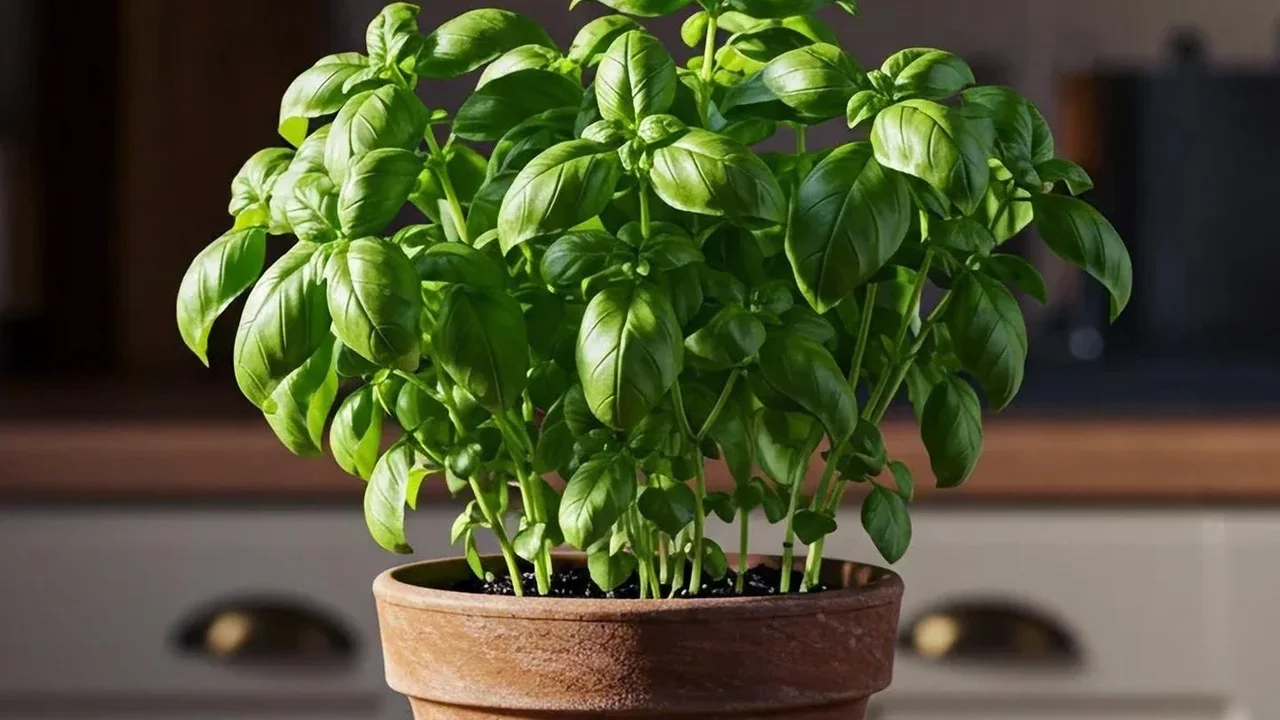
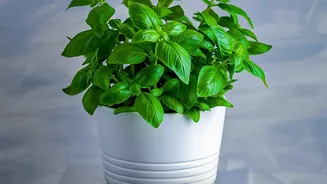
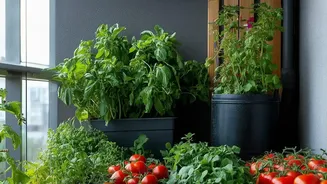
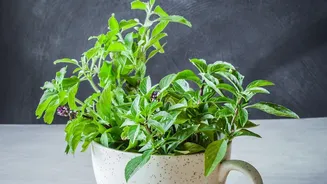
Basil, including the beloved Holy Basil or Tulsi, is a staple in Indian kitchens and a joy to grow. It is a sun-worshipper, needing at least six to eight hours of direct sunlight daily to produce flavorful leaves. If you're growing it on a hot, sunny balcony, a little afternoon shade can prevent the leaves from scorching. You can start from seeds or purchase a small plant. Plant it in a pot that is at least 6-12 inches deep to give its roots space. Basil prefers soil that is consistently moist but not soggy. Water it when the top inch of soil feels dry. To encourage a bushy, full plant, regularly pinch off the top sets of leaves. This practice, known as harvesting, prevents the plant from flowering too early and diverts its energy into producing more delicious foliage.
The Prolific Grower: Taming Mint
Mint, or pudina, is famously easy to grow—so easy, in fact, that its biggest challenge is containment. This herb spreads aggressively through runners, so it's crucial to plant it in its own dedicated pot. If you don't, its roots will quickly take over any shared container. A pot that is around 10 to 12 inches wide provides ample space for a single plant to flourish. Unlike basil, mint is more tolerant of partial shade, though it still appreciates a few hours of sun. It loves moisture, so the soil should be kept consistently moist but well-drained. Mint is incredibly forgiving and one of the most rewarding herbs for beginners. Harvesting is simple: just snip off stems as needed. This not only gives you fresh leaves for chutneys and drinks but also encourages the plant to become bushier.
A Taste of India: The Curry Leaf Plant
The curry leaf plant, or Kadi Patta, is a small tree that brings an unmistakable aroma to countless Indian dishes. Growing it in a pot requires paying attention to its specific needs. It thrives in full sun, so give it the sunniest spot on your balcony. Use a well-draining soil mix; a cactus or succulent mix amended with some organic compost works well. Curry leaf plants are sensitive to overwatering, which can lead to root rot. It's best to let the top inch or two of soil dry out completely between waterings. During its growing season from spring through fall, water it regularly, but reduce watering during the winter months when the plant may enter a resting period and even drop some leaves, which is normal. Regular pruning helps promote a bushier shape and a more generous supply of its flavourful leaves.
Daily Care and Enjoying Your Harvest
Once your herb garden is set up, daily care is simple. The golden rule of watering is to check the soil first. Stick your finger an inch into the soil; if it feels dry, it's time to water. Harvest your herbs often, but take only a little at a time. Regular snipping encourages new growth and ensures a continuous supply. For basil, pinch the tops. For mint and curry leaves, cut stems as needed. The best time to harvest is in the morning when the leaves are most tender and full of flavour. Keep an eye out for common pests. If you spot any, a simple spray of soapy water is often enough to handle them without resorting to harsh chemicals. With a little attention, your balcony will transform into a productive and fragrant oasis.