



Why Texture is Essential
Before diving into the 'how', it's important to understand the 'why'. Texture in interior design refers to the surface quality of materials—how they look and feel. A room filled with only smooth, flat surfaces can feel sterile and one-dimensional, regardless
of the colour palette. Our brains are wired to appreciate tactile and visual variety. Texture adds depth, creates visual interest, and influences the mood of a room. Soft materials like wool can make a space feel cosy and inviting, while the roughness of reclaimed wood adds character and a sense of history. By layering different textures, you create a rich, sensory experience that makes a house feel like a home.
Start with Layered Textiles
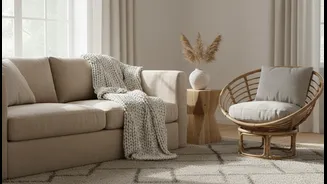
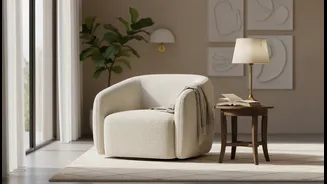
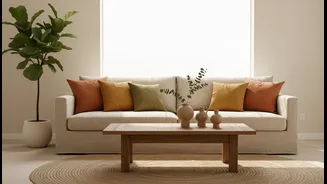
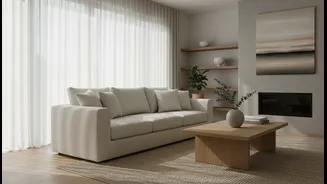
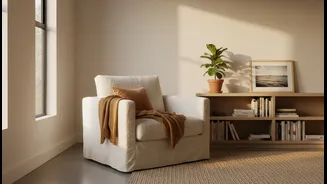
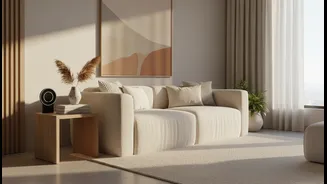
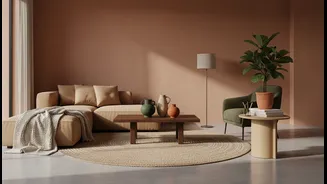
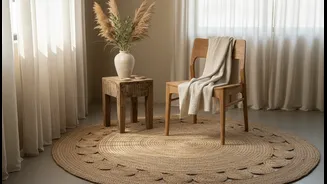
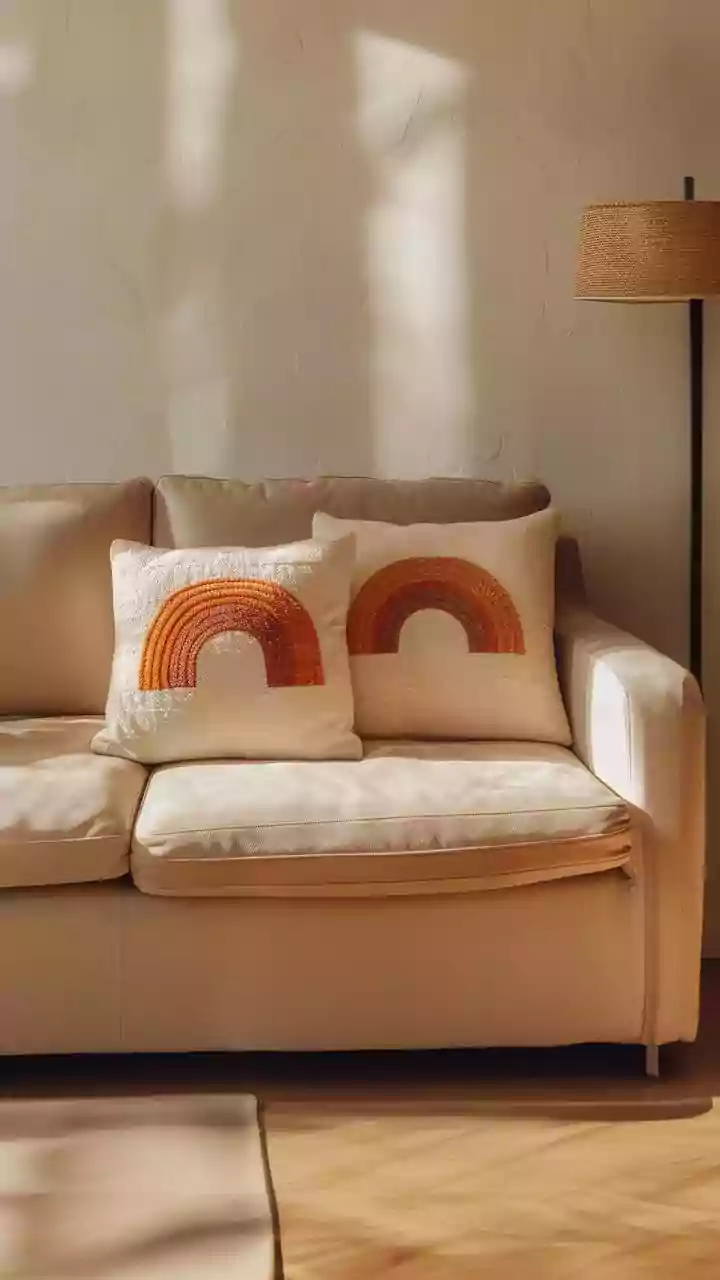
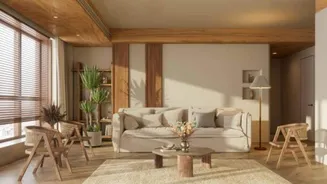
One of the easiest and most effective ways to introduce texture is through textiles. Think in layers. Start with a foundational piece, like a jute or wool rug, which immediately adds warmth underfoot and grounds the space. Then, build upon it. Drape a chunky knit throw over a smooth leather or linen sofa to create a pleasing contrast. Add a variety of cushions in different materials—velvet, cotton, or embroidered fabrics. These layers not only add comfort but also break up the monotony of larger furniture pieces, making the room feel more dynamic and curated. Even your curtains contribute; lightweight linen drapes can soften a room and filter light beautifully, adding a relaxed, breathable feel.
Embrace Wood and Stone
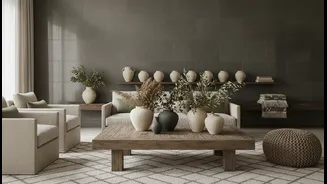
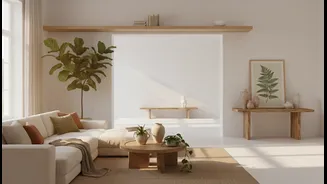
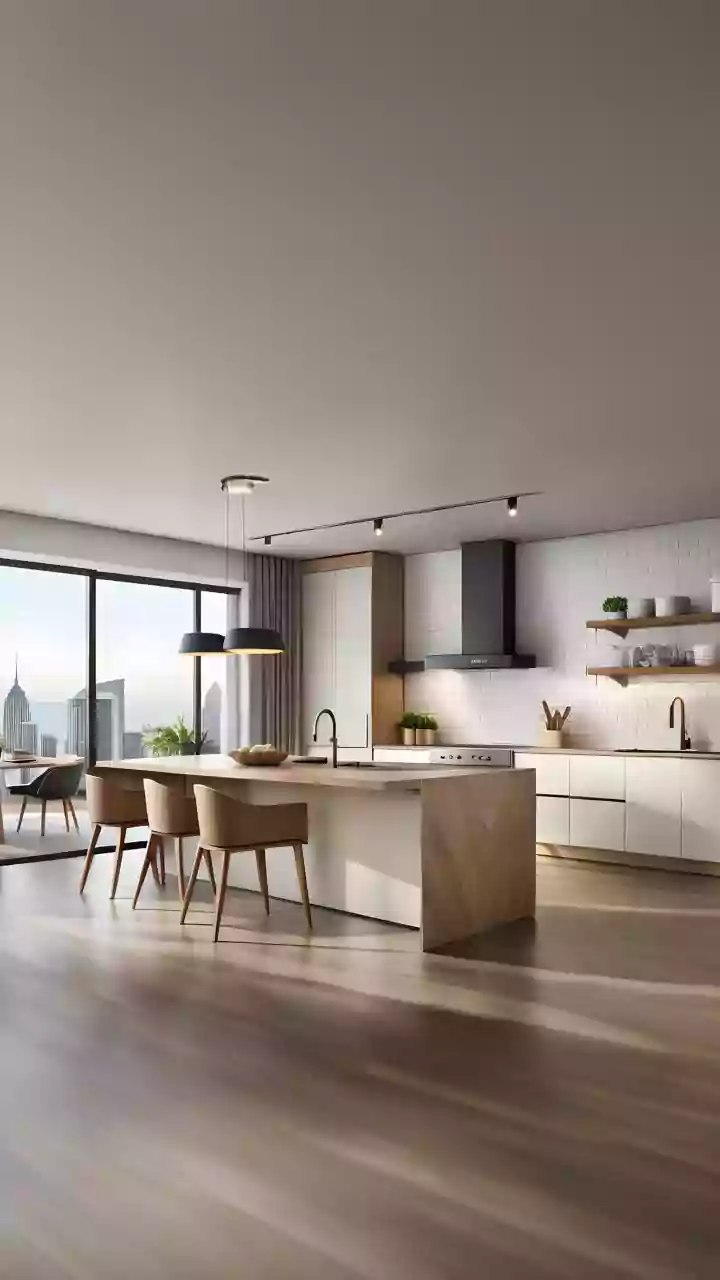
Hard materials are just as important as soft ones for creating textural balance. Wood, with its natural grain and warmth, is a cornerstone of inviting interiors. This could be a solid wood coffee table, weathered floorboards, or smaller decorative items like wooden bowls and picture frames. Each piece of wood tells a story and adds an organic element that synthetics cannot replicate. Similarly, stone accents can provide a grounding contrast. A marble side table, a slate accent wall, or even small stone coasters introduce a cool, smooth element that can balance the warmth of wood and textiles, adding a touch of elegance and permanence.
Weave in Rattan and Wicker
For a touch of earthy, bohemian charm, you can’t go wrong with woven materials like rattan, wicker, and jute. These materials have become incredibly popular for their ability to add texture without adding visual weight. A rattan accent chair, a set of wicker storage baskets, or a bamboo light fixture can make a significant impact. These items introduce an artisanal, handmade quality to a space, providing intricate patterns and a connection to nature. They work particularly well in neutral schemes, where their structural form and woven texture can stand out as a subtle focal point.
Don't Forget Living Textures
Finally, the most natural texture of all comes from living things. Houseplants are a designer's best friend for a reason. They bring life, colour, and a unique sculptural quality to any room. From the large, glossy leaves of a fiddle-leaf fig to the delicate fronds of a fern or the sharp lines of a snake plant, greenery adds a layer of dynamic texture that evolves over time. Placing them in terracotta pots or ceramic planters adds another layer of natural material to the mix. They are the final touch that proves a simple, thoughtfully designed space is anything but generic.