




More Than Just Smoke
When a firework explodes, it’s a rapid chemical reaction designed for spectacle. This reaction releases a complex mixture into the atmosphere. The brilliant colours are produced by metal compounds: strontium for reds, copper for blues, and barium for greens.
The blast itself is powered by fuels and oxidizers like potassium nitrate. What remains is a cocktail of tiny, airborne particles known as particulate matter (PM2.5), along with gases like sulfur dioxide and nitrogen oxides. These particles are incredibly small, often less than 2.5 micrometers in diameter, allowing them to be easily inhaled deep into the lungs. Recent studies have confirmed that this residue isn't just harmless smoke; it's a mix of unburnt fuel, metal salts, and other chemical additives.
Carried Far on the Wind
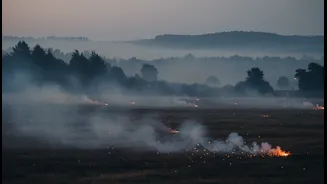
For a long time, the impact of this pollution was considered a hyper-local issue, confined to the immediate area of the display. However, emerging research indicates this is not the case. Studies have found that these pollutant concentrations can travel long distances, meaning even people who are not near a display can be affected. Factors like wind speed, direction, and weather phenomena like temperature inversions can trap and transport these pollutants over wider areas, sometimes for days. This means the haze seen after a major festival like Diwali is not just a local phenomenon but can contribute to regional air quality issues. One expert noted that the pollution can travel for miles and linger long after the show has ended. This transforms a momentary celebration into a prolonged and widespread air quality event.
A Risk to Public Health
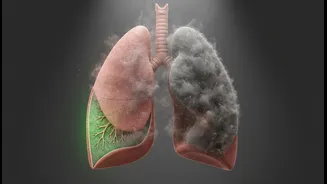
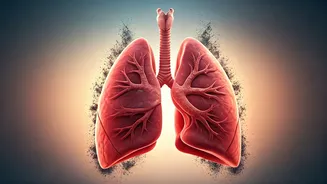
The primary concern with this travelling residue is its impact on human health. Inhaling fine particulate matter (PM2.5) is linked to a host of health problems. Short-term exposure can irritate the lungs, trigger coughing, and cause breathing difficulties, especially for those with pre-existing conditions like asthma or chronic obstructive pulmonary disease (COPD). These tiny particles can penetrate deep into lung tissue and even enter the bloodstream, increasing the risk of heart attacks and strokes. Studies have shown that during major fireworks events, PM2.5 concentrations can spike to levels far exceeding what is considered safe by the World Health Organization. While direct links to cancer from short-term exposure haven't been established, the components are part of a class of pollutants known to be carcinogenic with chronic exposure.
The Environmental Footprint
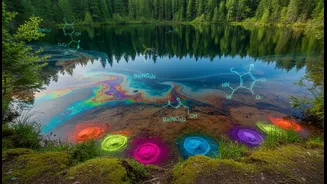
The impact isn't limited to the air we breathe. When these particles and chemicals eventually settle, they can contaminate soil and water. Research published in Environmental Science & Technology found that when firework debris was placed in lake and river water, it released significant amounts of metal ions and other compounds. Chemicals like perchlorates, used as oxidizers in fireworks, are particularly persistent and can be absorbed by plants and interfere with aquatic ecosystems. The leftover solid materials from firecrackers can also alter water chemistry, which could disrupt microbial communities. This means the environmental cost of a few hours of celebration can be felt in our local ecosystems for a long time afterward.