



The Secret of Melon Seeds (Magaz)
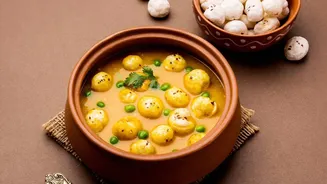
In Indian cuisine, the term 'magaz' often refers to the shelled kernels of melon-family seeds. More specifically, 'char magaz' ('four kernels') is a traditional blend of four different seeds, typically watermelon, muskmelon, cucumber, and pumpkin seeds. These
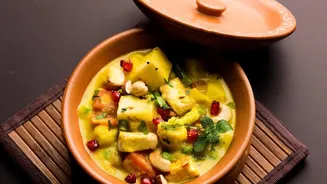
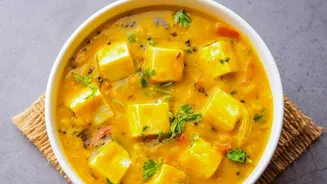
tiny, cream-coloured seeds are prized not for a strong flavour—they are quite mild and nutty—but for their incredible ability to thicken sauces and create a smooth, luxurious base for gravies when ground into a paste. They are the secret behind the body and richness of many Mughlai and traditional curries, offering a cost-effective and dairy-free alternative to cream or a large quantity of expensive nuts.
How to Prepare Melon Seed Paste
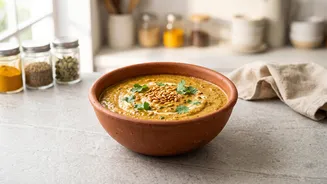
Using melon seeds is a simple process. The first step is to soak the seeds, usually for at least 30 minutes to a few hours in warm water. This softens them, making them easier to grind. After soaking, drain the water and transfer the seeds to a blender or grinder. Add a small amount of fresh water and blend until you have a completely smooth, fine paste, similar in consistency to a thick cream. This paste can then be added to your curry base, usually after sautéing onions, ginger, and garlic. As it cooks, the paste will thicken the sauce, lending it a wonderful, creamy texture without altering the primary flavours of your spices.
The Go-To Classic: Cashew Cream
Perhaps the most popular dairy-free alternative for creamy curries is cashew paste. Soaked raw cashews, when blended, break down into an exceptionally rich and silky cream that beautifully mimics dairy. To prepare it, soak raw cashews in hot water for about 15-30 minutes, then drain and blend with fresh water until perfectly smooth. Cashew cream adds a subtle sweetness and a distinct richness that is ideal for dishes like Korma, butter chicken variations, and other North Indian gravies. Because of their higher fat content, cashews provide a mouthfeel that is remarkably close to heavy cream.
The Earthy Alternative: Almond Paste
Almonds offer another fantastic nut-based option. For the smoothest, creamiest texture, it’s best to use blanched almonds, which have had their skins removed. You can buy them blanched or do it yourself by soaking raw almonds in hot water for about 20 minutes, after which the skins should slip off easily. Like cashews, soaked and blended almonds create a thick, creamy paste. However, the flavour is slightly different—less sweet and more earthy and nutty than cashews, which can add a different dimension to your curry. They can be a great substitute in recipes that call for cashew paste if you're looking for a slightly different flavour profile.
The Coastal Favourite: Coconut Milk
A staple in South Indian and coastal cuisines, coconut milk is a naturally creamy and flavourful dairy-free base. Unlike neutral-tasting seed and nut pastes, full-fat coconut milk imparts its own distinct, mildly sweet and tropical flavour to a dish. It’s perfect for Thai-inspired curries but also works beautifully in many Indian recipes, especially from regions like Kerala and Goa. For the best results and a thicker gravy, use full-fat coconut cream or the thick cream that separates at the top of a can of coconut milk. It's typically added towards the end of the cooking process to prevent it from splitting under high heat.
The Subtle Thickener: Poppy Seeds (Khus Khus)
White poppy seeds, known as 'khus khus' in Hindi, are another traditional thickening agent used extensively in Bengali and Mughlai cooking. These tiny seeds need to be soaked, sometimes overnight, before being ground into a fine paste. The resulting paste has a unique nutty, earthy flavour and adds significant body to curries like Aloo Posto (potatoes in poppy seed paste) or rich meat and vegetable dishes. They are often combined with other ingredients like melon seeds or coconut to create complex and layered gravy bases.