








The Allure of the Split Ticket
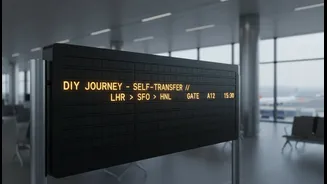
Booking flights as separate, one-way tickets instead of a single round-trip or connecting itinerary can sometimes unlock significant savings. This strategy allows you to mix and match airlines, combining a full-service carrier for a long-haul leg with
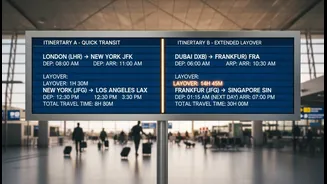
a budget airline for a shorter regional flight. It also offers greater flexibility, letting you build custom itineraries or take advantage of specific deals that aren’t available as a package. Travellers often turn to this method, sometimes called a 'self-transfer', to create routes that airlines don't sell directly or to use frequent flyer miles for one portion of the trip and cash for another. The potential for a cheaper fare and a more convenient schedule is the primary driver behind this increasingly popular travel strategy.
The Single-Terminal Advantage
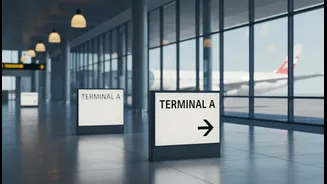
The convenience of your self-connection hinges almost entirely on whether you can stay within the same terminal. When both your arriving and departing flights operate from one building, you often eliminate the most time-consuming and stressful parts of the transfer. In many airports, staying in the same terminal means you can remain 'airside' (within the secure area), avoiding the need to go through security screening a second time. This alone can save you an hour or more. Crucially, it also minimizes the risk associated with checked baggage. Changing terminals almost always requires you to collect your bags, exit the secure zone, navigate to the new terminal, check your bags in again with the next airline, and clear security from scratch—a process that can take hours. Sticking to one terminal simplifies the entire process, making a risky manoeuvre significantly more manageable.
The High-Stakes Gamble of Self-Connecting
The single biggest risk when booking separate tickets is that you are entirely responsible for making your connection. If your first flight is delayed or cancelled, the second airline has no obligation to rebook you or offer any assistance. To them, you are simply a 'no-show', and you will likely forfeit the entire value of your ticket. Unlike a traditional booking on a single ticket, where the airline is responsible for getting you to your final destination, a self-connection puts all the risk on your shoulders. This means if a 30-minute delay on your first flight causes you to miss the second, you will have to purchase a new last-minute ticket, which can be incredibly expensive and wipe out any initial savings.
When You Must Change Terminals
If your separately booked flights involve a terminal change, the complexity and risk increase exponentially. First, you will almost certainly have to collect any checked luggage at the baggage claim of your arrival terminal. From there, you must find your way to the next terminal, which could involve a long walk, a shuttle bus, or even a train. Once you arrive at the departures hall of the new terminal, you have to line up to check your bags in for the second flight before its cutoff time (typically 45-60 minutes before departure). Finally, you must go through the entire security screening process again. This entire sequence adds multiple points of failure and requires a much longer layover—experts recommend a minimum of three to four hours for domestic transfers involving terminal changes, and even longer for international connections.
A Checklist for a Smoother Self-Connection
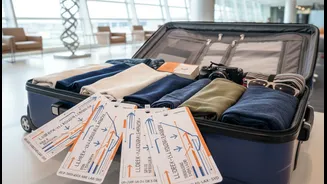
Despite the risks, if you decide to book separate tickets, you can take steps to protect yourself. First and foremost, leave a generous buffer between flights; four to six hours is a commonly recommended minimum, especially if international travel or checked bags are involved. Travelling with only carry-on luggage is the single best way to reduce risk, as it eliminates the need to collect and re-check bags. Before you book, check the historical on-time performance of your first flight to gauge the likelihood of a delay. Also, study the airport map to understand the layout and confirm your flights use the same terminal. Finally, consider purchasing travel insurance that specifically covers missed connections on separate tickets and always have a backup plan in case things go wrong.