



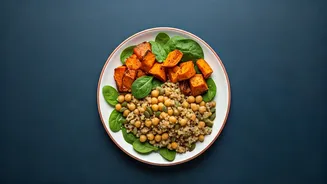



The Power of Protein and Sprouts
A high-protein lunch is your best ally against the mid-day slump. It keeps you feeling full and satisfied, helps manage weight by reducing cravings, and provides the essential building blocks for muscle repair and a strong immune system. [4, 5] When that
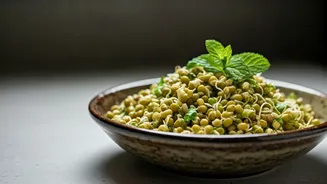
protein comes from sprouted green moong, or mung beans, the benefits multiply. The process of sprouting transforms the humble bean into a nutritional powerhouse. [8] Sprouting increases the bioavailability of nutrients like vitamins B and C, iron, and magnesium, making them easier for your body to absorb. [4] It also boosts the fibre content and activates enzymes that aid digestion, which is why sprouts are often celebrated for improving gut health. [4, 8]
The Monsoon Dilemma: Raw or Cooked?
While sprouts are incredibly healthy, there's a crucial consideration during the monsoon. The damp, humid environment is a perfect breeding ground for bacteria like E. coli and Salmonella. [12] Both traditional Ayurvedic wisdom and modern science caution against eating raw foods, including sprouts, during the rainy season when our digestive fire (Agni) is considered weaker and the risk of contamination is higher. [1, 12, 20] Raw sprouts can lead to bloating, gas, and in worse cases, food poisoning. [12, 21, 22] The solution isn't to avoid sprouts altogether, but to prepare them safely. Lightly cooking the sprouts by steaming or boiling them for a few minutes eliminates the risk of harmful bacteria while retaining much of their nutritional value and signature crunch. [12, 16, 19]
Sprouting Moong at Home
Making your own sprouts is simple and ensures freshness. Start with good-quality whole green moong beans. Rinse one cup of beans thoroughly and soak them in clean water overnight, or for at least eight hours. The next day, drain the water completely. Transfer the soaked beans to a muslin cloth, a sprouting jar, or a colander covered with a plate. Keep them in a warm, dark place. Rinse them with water once or twice a day to keep them moist and prevent them from drying out. You should see small sprouts emerge within a day or two. [17, 19] Once they've reached your desired length, they are ready to be used. For monsoon safety, remember to cook them lightly before eating. [16]
The Ultimate Monsoon Salad Recipe
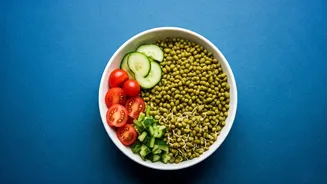
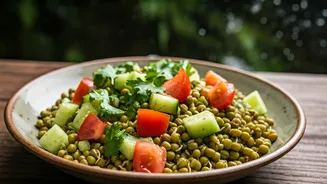
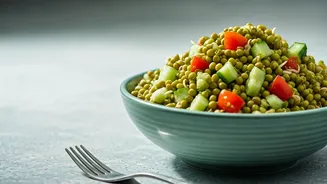
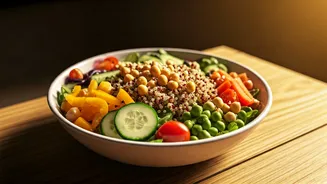
This recipe is a vibrant, flavourful, and safe way to enjoy sprouted moong this season. Start by parboiling or steaming 1.5 cups of your homemade moong sprouts for about 5-6 minutes until they are slightly tender but still have a bite. [17] Drain them and let them cool. In a large bowl, combine the cooled sprouts with a colourful mix of finely chopped vegetables. Good options include ¼ cup each of onion, cucumber, and tomato (deseeded). [11] Add grated carrot and beetroot for sweetness and colour. To this, add a teaspoon of finely chopped ginger, which aids digestion, and some fresh coriander. [15] For the dressing, mix the juice of half a lime with half a teaspoon each of salt, roasted cumin powder, and chaat masala for that tangy Indian flavour. [11, 18] Pour the dressing over the salad, toss everything well, and it's ready to serve.
Customise Your Salad Bowl
The beauty of this salad lies in its versatility. Feel free to add other seasonal vegetables like bell peppers or sweet corn. For an extra layer of texture and healthy fats, sprinkle in some roasted peanuts, walnuts, or pumpkin seeds. [17] Fruits like pomegranate seeds or pieces of raw mango can add a delightful sweet and sour note that complements the spices perfectly. [11] If you want to make it a more substantial meal, you can add some boiled potatoes or crumbled paneer. The key is to keep it fresh, colourful, and full of textures that make every bite interesting. Remember to prepare the salad just before you intend to eat it to ensure the vegetables stay crisp and the flavours remain vibrant.