



First, What Exactly Is 'Ultra-Processed'?
The term can be confusing, but it’s not about all processing. Salting nuts or canning vegetables is simple processing. Ultra-processing is different. It involves industrial formulations of ingredients you wouldn’t typically find in a home kitchen. Think
of substances like hydrogenated oils, modified starches, protein isolates, and additives like emulsifiers, artificial colours, and flavour enhancers. These are not just foods; they are products designed for long shelf life and hyper-palatability. Common examples in an Indian pantry might include packaged snacks and sweets, instant noodles, sugary breakfast cereals, fizzy drinks, and many ready-to-eat meals. The key identifier is often a long list of ingredients, many of which are unfamiliar chemical names.
The Alarming New Evidence
Recent research has moved from suggesting links to showing consistent associations between high UPF consumption and poor health. A massive umbrella review published in The BMJ, which synthesized data from nearly 10 million people, found that higher UPF intake was consistently associated with an increased risk of 32 adverse health outcomes. This included a roughly 50% increased risk of death from cardiovascular disease and a 48-53% higher risk of anxiety and common mental disorders. Other recent studies reinforce these findings, linking UPFs to a greater risk of heart attacks, strokes, hypertension, certain cancers, and type 2 diabetes. A study presented in July 2026 even suggested that UPFs could be a preventable contributor to a significant portion of heart disease cases. Disturbingly, the trend starts early, with another new study finding that a staggering 81% of foods marketed to toddlers are ultra-processed.
Why Are These Foods a Concern?
It’s not just about the high levels of salt, sugar, and fat, though those are major factors. Newer research suggests the industrial processing itself plays a role. A June 2026 study from Tufts University found that even after accounting for nutritional quality, UPF consumption was linked to worse health markers, suggesting other factors are at play. These factors include the destruction of the food's natural cellular structure, the loss of fibre and beneficial compounds, and the presence of additives that may disrupt the gut microbiome—the collection of bacteria in our digestive system that influences everything from immunity to mental health. These foods are also engineered to be soft and easy to overeat, bypassing the body's natural fullness signals.
A Practical Guide for Indian Consumers
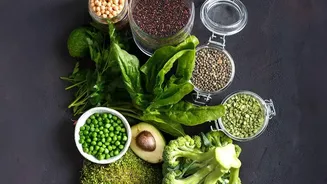
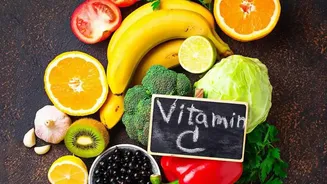
The goal isn't to live in fear or eliminate every convenience food. It's about shifting the balance. Start by reading the labels on packaged foods. If the ingredient list is long and full of unfamiliar substances, consider it a UPF. Focus on adding more whole or minimally processed foods to your diet—fresh vegetables and fruits, dal, whole grains, eggs, and unprocessed meats. Cooking at home more often is one of the most effective ways to control what goes into your food. When you do buy packaged items, compare brands. A plain yogurt is a better choice than a sweetened, flavoured one; whole-grain bread with a short ingredient list is preferable to mass-produced white bread with many additives. It’s about making mindful swaps rather than aiming for an unrealistic ideal of perfection. The aim is progress, not purity.