



Meet the New Indian Traveller
The profile of the Indian tourist has fundamentally changed. Today's travellers, particularly millennials and Gen Z, are armed with higher disposable incomes, greater global exposure, and a powerful desire for unique experiences over passive sightseeing.
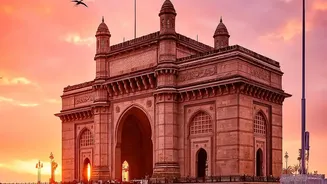
They aren't just visiting a place; they want to immerse themselves in it, to live a story. This shift from a destination-first to an experience-first mindset is the primary engine behind the tourism boom. Instead of a conventional checklist of monuments, they are planning trips around cultural festivals, culinary trails, and outdoor adventures. The focus is on personal growth, connection, and creating memories that are authentic and, often, shareable on social media.
The Boom in Experiential Travel
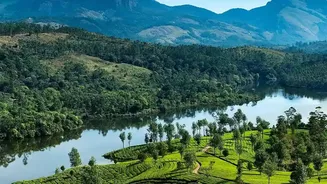
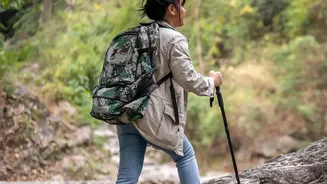
This new demand has fuelled the rapid growth of several niche tourism sectors. Adventure tourism, once a small segment, has evolved into a diverse ecosystem and is one of the fastest-growing segments, projected to become a cornerstone of the travel economy. Activities like trekking in the Himalayas, river rafting in Rishikesh, and wildlife safaris are no longer reserved for hardcore enthusiasts but are embraced by weekend adventurers. Simultaneously, wellness tourism has become a major draw. India, with its deep roots in yoga, Ayurveda, and meditation, is perfectly positioned to cater to travellers seeking rejuvenation for mind, body, and soul. This is complemented by the rise of eco-tourism and sustainable travel, as travellers become more conscious of their environmental impact, seeking out eco-lodges and community-based initiatives in states like Sikkim and Kerala.
A Major Push from Policy
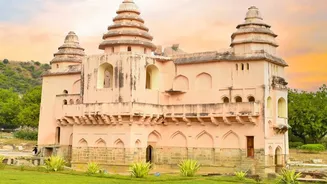
The government has played a crucial role in accelerating this transformation. Initiatives like 'Dekho Apna Desh' have been pivotal in encouraging Indians to explore their own country, which has significantly boosted domestic tourism. This campaign, along with schemes like Swadesh Darshan 2.0 and PRASHAD for pilgrimage sites, focuses on developing destination-based thematic circuits beyond the traditional hubs. The goal is to create sustainable and responsible destinations, improve infrastructure, and ensure that the economic benefits of tourism reach smaller towns and local communities. By developing dozens of new destinations and improving connectivity through new highways and airports, the government is helping to spread tourism's footprint across the nation.
The Digital Accelerator
Technology has acted as a powerful catalyst in this shift. Social media platforms, especially visual ones like Instagram and YouTube, have fundamentally changed how people discover and plan travel. More than 89% of travellers now use these platforms for inspiration and information. Influencers and user-generated content often highlight lesser-known locations, sparking interest in destinations far from the typical tourist trail. This digital word-of-mouth creates authenticity and trust. Furthermore, the rise of online travel agencies, homestay platforms, and digital payment systems has made it easier and safer than ever to plan and book trips to remote areas, democratising travel and empowering small-scale entrepreneurs in the process.