




They are both pillars of a healthy pantry, celebrated for their versatility and nutritional benefits. But when it comes to quinoa versus lentils, the choice isn't always clear. Understanding their key differences is the secret to unlocking their best
uses.
Seed vs. Legume: A Basic Distinction
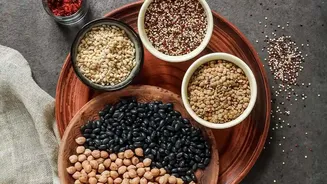
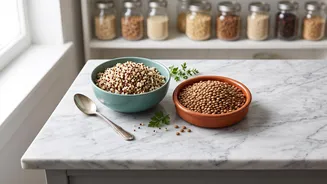
First, let's clarify what they are. Quinoa, despite being used like a grain, is technically a seed from the amaranth family, related to spinach and beets. This is why it's often called a 'pseudocereal'. Lentils, on the other hand, are pulses—the edible seeds of a legume plant. This fundamental difference in classification is the starting point for their distinct nutritional profiles and culinary behaviors.
The Nutritional Showdown
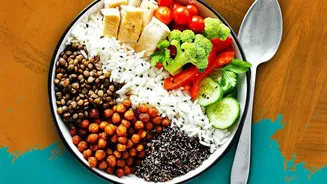
Both quinoa and lentils are nutritional powerhouses, but they excel in different areas. Quinoa's claim to fame is its status as a complete protein, meaning it provides all nine essential amino acids your body can't produce on its own. This makes it a rare star in the plant kingdom. A cooked cup contains about 8 grams of protein and 5 grams of fiber. It's also a great source of minerals like magnesium and manganese. Lentils, however, win on sheer protein and fiber content. A cooked cup of lentils packs a massive 18 grams of protein and about 16 grams of fiber, which is over half the daily recommended intake for many adults. They are also an excellent source of folate, iron, and potassium. While not a complete protein on their own, when paired with a whole grain like rice, they provide a protein quality comparable to meat.
Taste, Texture, and Cooking
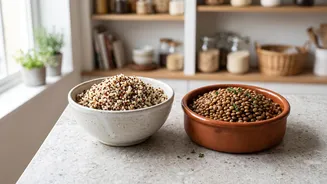
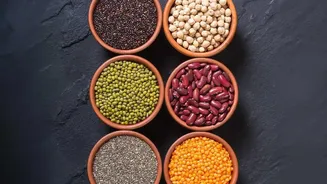
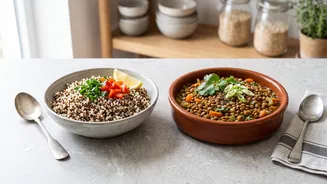
In the kitchen, their differences become even more apparent. Quinoa has a mild, nutty, and slightly earthy flavor. When cooked, which usually takes about 15 minutes, it becomes light and fluffy with a delicate, slightly chewy pop. It's important to rinse quinoa before cooking to remove its natural coating, called saponins, which can taste bitter or soapy. Lentils vary by type. Brown and green lentils tend to have an earthy flavor and hold their shape well after cooking for 20-30 minutes, making them firm and great for salads. Red and yellow lentils are milder and sweeter; they cook much faster (around 15-20 minutes) and break down into a soft, creamy consistency, which is perfect for thickening soups and making dishes like dal. Unlike most dried beans, lentils don't require pre-soaking.
Best Meal Uses for Quinoa
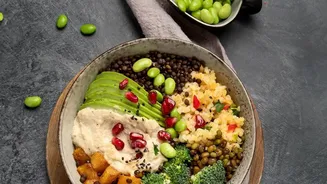
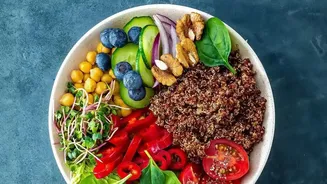
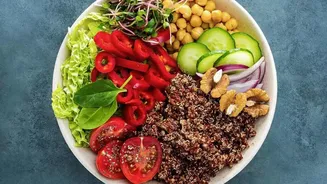
Quinoa's fluffy, separate-grain texture makes it an ideal substitute for rice or couscous. It shines in dishes where you want a light, absorbent base. Think vibrant grain bowls, refreshing salads, or as a bed for stir-fries and curries. Its mild flavor allows it to take on dressings and sauces beautifully. Quinoa is also fantastic as a breakfast porridge, offering a higher-protein alternative to oats. You can even use cooked quinoa as a gluten-free binder in veggie burgers or add it to baked goods like muffins and breads for extra texture and nutrition.
Best Meal Uses for Lentils
Lentils are the heart and soul of hearty, comforting dishes. Their ability to either hold their shape or dissolve into creaminess gives them incredible range. Brown and green lentils are the go-to for robust salads, veggie burgers, and as a 'meaty' ground beef substitute in tacos or shepherd's pie. Red and yellow lentils are unmatched for creating thick, satisfying soups, stews, and traditional Indian dals. They essentially melt into the liquid, giving the dish body and a rich texture. Lentils of all colors are brilliant at bulking up sauces and casseroles, adding a substantial boost of fiber and protein.