






An Ambitious Expansion of Protections
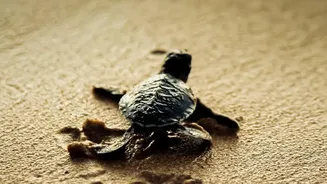
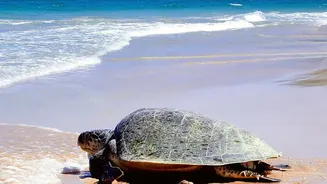
Goa’s Forest Department has put forward a significant proposal to declare 24 beaches across the state as official Olive Ridley turtle nesting sites. This move, communicated to the Department of Environment and Climate Change, seeks to bring these beaches under
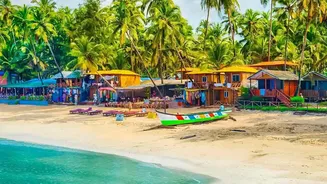
the stringent Coastal Regulation Zone (CRZ) Notification of 2019. Currently, Goa officially recognises four beaches as primary nesting sites: Morjim and Mandrem in North Goa, and Agonda and Galgibaga in South Goa. The new proposal aims to add a host of popular and busy beaches to this list, including 10 in the North and 14 in the South. The list for North Goa includes well-known tourist hubs like Calangute, Baga, Candolim, and Arambol, while the South Goa list features Palolem, Cavelossim, and Varca, among others.
What Would the New Rules Mean?
If the proposal is accepted, these 24 beaches would be classified as CRZ-I, a category for ecologically sensitive areas that mandates strict protection. This would likely lead to tighter controls on a range of activities, especially during the nesting season which typically runs from October to May. Potential restrictions include regulations on artificial lighting, which can disorient hatchlings, as well as controls on the operation of beach shacks, nighttime events, and vehicular movement on the sand. The goal is to minimise human disturbance that threatens the survival of nesting females and their offspring. The principle behind such measures is to safeguard the entire coastal ecosystem, which includes sand dunes and other natural features vital for maintaining the integrity of the coast.
The Threats Facing Goa's Turtles
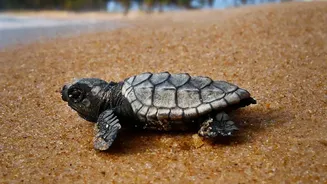
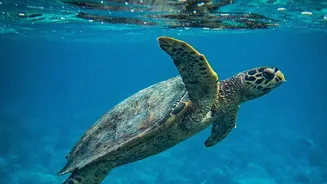
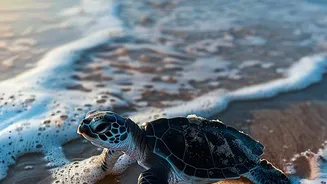
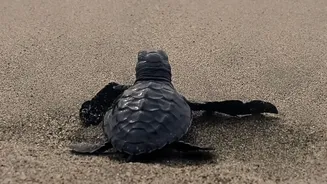
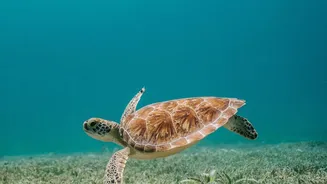
Olive Ridley turtles, classified as a 'vulnerable' species, face a formidable range of threats. A primary danger is bycatch from fishing trawlers, where turtles get accidentally trapped in nets. To combat this, authorities have pushed for the mandatory use of Turtle Excluder Devices (TEDs) in fishing nets. On the shore, the challenges are just as serious. Artificial lights from shacks and resorts can confuse hatchlings, drawing them inland instead of towards the sea. Noise pollution, human foot traffic, and predators like stray dogs also pose significant risks to eggs and the young turtles. Furthermore, marine debris like plastic bags and discarded fishing nets can entangle or be ingested by turtles, causing injury or death.
The Community's Crucial Role
Conservation efforts in Goa have a long history of community involvement. Since the late 1990s, the Forest Department has collaborated with local villagers, appointing them as 'turtle guards' to patrol the beaches, protect nests from predators and poachers, and ensure hatchlings make it safely to the water. Many nests are relocated to secure, fenced-off hatcheries where they can be monitored until the eggs hatch. This combination of government oversight and local stewardship has been central to the conservation program's successes. Organisations also work to train lifeguards and fishermen on how to respond to stranded marine animals, creating a wider network of volunteers dedicated to protecting coastal wildlife.
Balancing Tourism with Conservation
The proposal to vastly expand the number of protected beaches has sparked concern among those whose livelihoods depend on tourism. Shack owners, fishermen, and other stakeholders in areas like Canacona have voiced fears that new regulations could severely impact their businesses. They argue that while they support turtle protection, a balance must be struck that doesn't cripple the local economy. Representatives from the tourism industry are calling for clarity on the specific restrictions and urging the government to consult with local communities before finalising the plan. They contend that conservation and tourism can coexist, but that abrupt and sweeping changes risk alienating the very communities whose cooperation is essential for protecting the turtles.