




Why the Sudden Shift to Fibre?
The move towards a high-fibre breakfast isn't just a fleeting trend; it's a conscious lifestyle shift. With growing awareness of health issues like diabetes and heart disease, many are seeking out foods that offer sustained energy release and better blood
sugar control. [4, 11] A fibre-rich meal keeps you feeling full for longer, preventing mid-morning hunger pangs and reducing the likelihood of overeating later in the day. [4] This slow digestion process provides a steady stream of energy, which is crucial for busy professionals and anyone navigating a hectic schedule. [3] Furthermore, dietary fibre is essential for good digestive health, helping to prevent constipation and maintaining a healthy gut microbiome. [4]
The Mighty Return of Millets
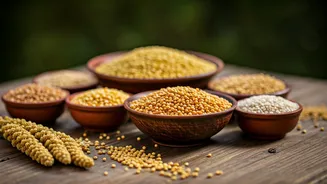
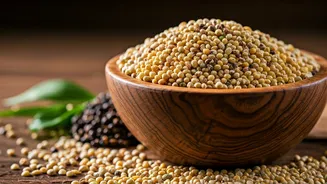
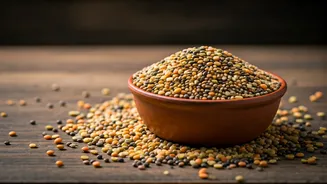
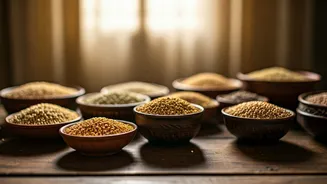
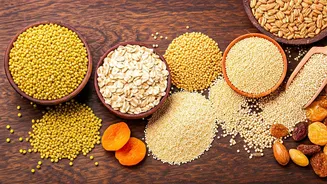
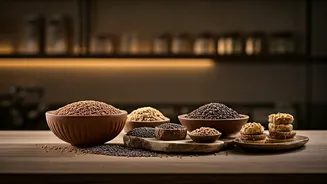
At the forefront of this breakfast revolution is the resurgence of millets like ragi (finger millet), jowar (sorghum), and bajra (pearl millet). [9, 11] Once considered humble grains, they are now celebrated for their impressive nutritional profile. [19] Millets are naturally gluten-free, high in protein, and packed with fibre. [19] This comeback is visible in how traditional dishes are being reimagined. For instance, the standard rice-based idli is being replaced by nutrient-dense ragi or jowar idlis. [9, 13] Similarly, upma is now frequently made with foxtail or barnyard millet instead of semolina, resulting in a fluffier, more fibrous porridge. [11] Even dosas are getting a healthy twist with ragi batter, offering an earthy flavour and a wealth of nutrients. [7, 20]
Upgrading the Classics
You don't have to abandon your favourite traditional breakfasts to join the high-fibre movement. Many classic recipes are being cleverly upgraded with simple swaps. Poha, a beloved breakfast staple, can be made with brown flattened rice instead of white, retaining more fibre and B-vitamins. [9] Adding vegetables, sprouts, and peanuts not only enhances the texture and flavour but also boosts the meal's fibre and protein content. [7, 9] Even parathas are getting a healthier spin by using multigrain flour—a mix of whole wheat, besan (chickpea flour), and bajra—instead of refined white flour. [9] Stuffing them with grated vegetables like cauliflower or fenugreek leaves (methi) is another easy way to increase your fibre intake. [9, 10]
Modern Staples: Oats, Seeds, and More
Alongside traditional grains, modern health foods like oats, chia seeds, and flaxseeds are making their way into Indian breakfast bowls. Oats are incredibly versatile and can be prepared as a savoury masala upma, loaded with vegetables for a warm and comforting meal. [10] Another popular option is overnight oats, which can be customised with Indian flavours. Lentil-based pancakes like moong dal cheela or besan chilla are other excellent high-fibre and high-protein options that are both light and filling. [5, 7] Sprinkling a spoonful of chia seeds or flaxseeds over your yoghurt, smoothie, or even poha is a simple yet effective trick to add a dose of healthy fats and fibre. [7]
Making the Change Effortless
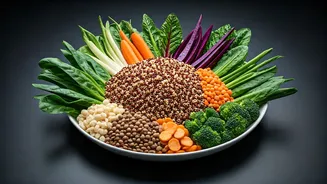
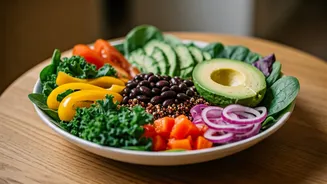
Incorporating more fibre into your breakfast doesn't require a complete overhaul of your diet. Start with small, manageable changes. Swap your regular bread with a multigrain or whole-wheat version. [8] Instead of fruit juice, opt for a whole fruit to get the benefit of its natural fibres. Add a side of sprouted moong salad to your plate for an extra crunch and nutrient boost. [5] The key is to think about adding, not just subtracting. By focusing on incorporating whole grains, lentils, vegetables, and seeds into your morning routine, you can enjoy the delicious flavours of Indian breakfast while reaping significant health rewards. [7]