





The Great Indian Food Renaissance
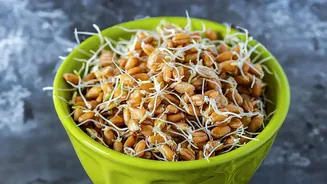
For generations, sattu and sprouted legumes were humble, everyday foods, deeply woven into the fabric of Indian regional diets. Sattu, a roasted gram flour from Bihar, was the powerhouse food for labourers and farmers, while sprouted moong was a simple,
nutritious staple in households across the country. Once seen as old-fashioned, these ingredients are now being rediscovered by a new generation of health-conscious Indians. Fitness buffs, nutritionists, and millennials are looking back to their roots, recognizing that these traditional foods are potent, natural, and perfectly suited for modern fitness goals. This isn't just about nostalgia; it's a smart return to local, sustainable, and incredibly effective superfoods that have been hiding in plain sight.
Sattu: The Desi Protein Powerhouse 2.0
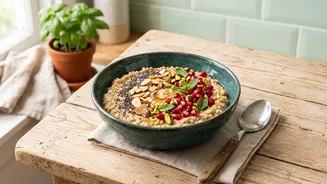
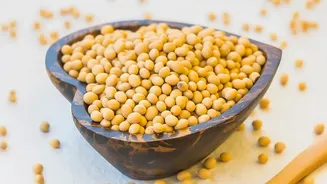
So, what makes sattu the new star of the Indian fitness world? For starters, its nutritional profile is exceptional. Made from roasted Bengal gram, sattu is packed with plant-based protein, typically offering 20-26 grams per 100-gram serving, which rivals many commercial protein powders. It's also rich in dietary fibre, which promotes satiety and aids in weight management. Unlike simple carbs that cause energy crashes, sattu has a low glycemic index, providing a sustained release of energy that’s perfect for pre-workout fuel or post-workout recovery. The 'upgraded' part comes from how it's being consumed. The classic sattu sharbat is still popular, but fitness lovers are now blending it into smoothies with bananas and almond milk, making high-protein pancakes, or creating no-bake energy balls (laddoos) with nuts and jaggery for a clean, on-the-go snack. This versatility makes it easy to incorporate into a modern, busy lifestyle without compromising on nutrition.
The Rise of the Sprouted Legume Bowl
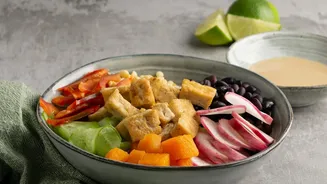
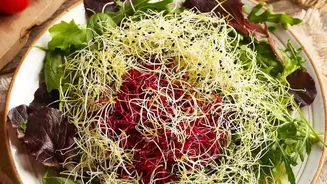
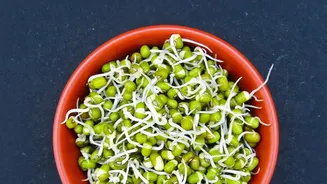
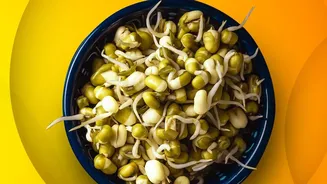
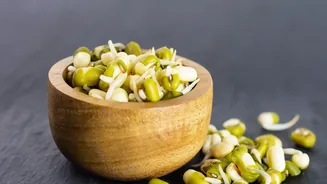
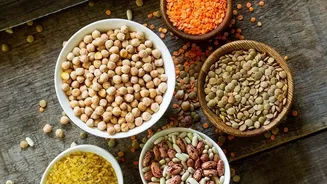
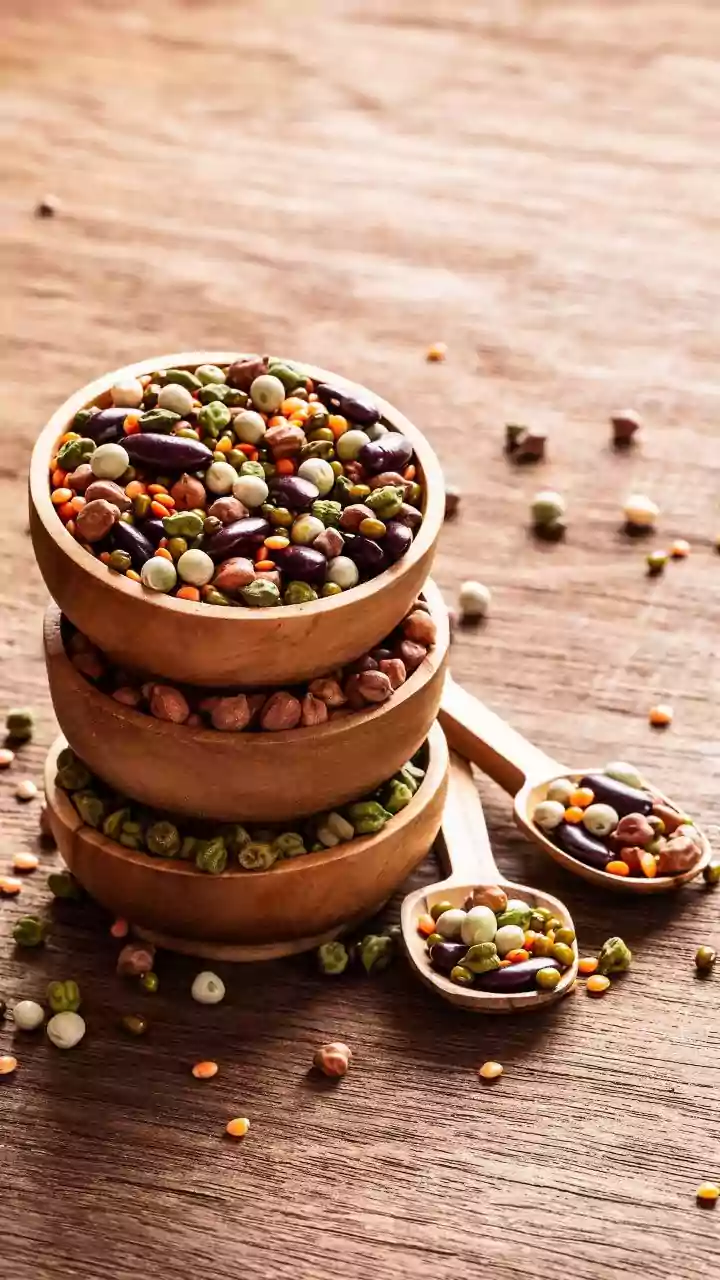
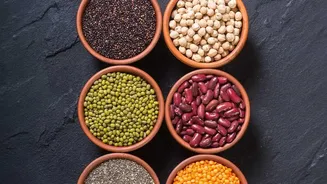
Alongside sattu, the sprouted legume bowl has become a vibrant symbol of clean eating in India. Sprouting legumes like moong, chickpeas, or lentils dramatically increases their nutritional value. The process boosts levels of vitamins C and K, folate, and antioxidants. More importantly, sprouting breaks down anti-nutrients like phytic acid, making the legumes easier to digest and improving the body's ability to absorb essential minerals like iron, zinc, and magnesium. What makes these bowls an 'upgrade' is their construction. They are no longer just a simple side dish. Today's sprouted legume bowls are a complete, balanced meal. They start with a base of fresh sprouts and are layered with chopped vegetables, a source of healthy fats like avocado or peanuts, a sprinkle of seeds, and a zesty dressing made from lemon juice and spices. They are colourful, texturally exciting, and deliver a powerful combination of protein, fibre, and micronutrients in one convenient bowl.
Convenience Meets Cultural Pride
The popularity of upgraded sattu and sprouted legume bowls boils down to a few key factors. Firstly, they perfectly align with the growing demand for clean, natural, and plant-based nutrition. As people become more aware of the additives in packaged foods, the appeal of whole, unprocessed ingredients like sattu and sprouts grows. Secondly, they offer incredible convenience. A sattu shake can be made in minutes, and a bowl of sprouts requires minimal cooking, fitting seamlessly into hectic urban schedules. Finally, there's an element of cultural pride. For many, choosing these Indian superfoods over expensive, imported alternatives is a conscious decision to celebrate and reclaim indigenous food wisdom. It represents a fusion of traditional knowledge and modern nutritional science, proving that sometimes the best solutions for health and wellness are the ones that have been with us all along.