






Choose a Champion Pineapple
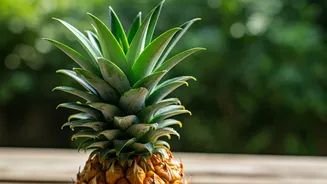
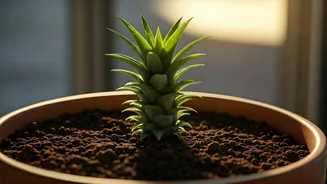
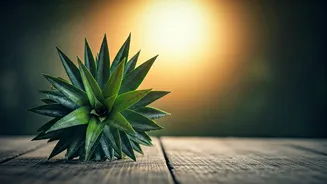
Your journey begins in the produce aisle. Look for a pineapple that is ripe and healthy, with a vibrant crown of green leaves. Avoid any with yellowing, dry, or damaged foliage. Gently check the centre of the leafy crown; you should see small, new leaves emerging,
which is a great sign of vitality. A healthy top is crucial for a successful propagation project. While you can use any pineapple, one that looks fresh and robust gives you the best head start.
Prepare the Crown
Once you've enjoyed the fruit, it's time to prepare the top, or crown. Firmly grasp the base of the leaves and twist. The entire leafy top should detach from the fruit with a bit of the core attached. Alternatively, you can slice the top off, but be sure to trim away all remaining fruit flesh to prevent rot. After detaching the crown, peel off the bottom-most layers of leaves to expose about an inch of the bare stem. You might see small, brown bumps around the base—these are the root buds waiting to grow. Let the prepared crown sit in a dry, well-ventilated spot for a few days to allow the cut surface to harden, which further prevents rot.
The Rooting Process
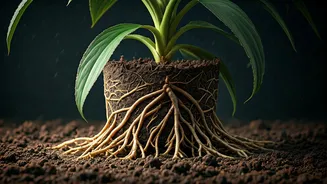
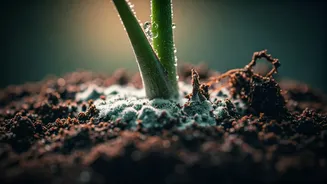
There are two main methods for rooting: in water or directly in soil. Rooting in water is popular because you can watch the progress. Submerge the exposed stem in a narrow glass of water, ensuring the leaves stay dry. Place it in a bright spot, like a sunny windowsill, and change the water every few days to keep it fresh. Within a few weeks, you should see white roots begin to sprout. It can take six to eight weeks for a solid root system to develop. For the soil method, plant the dried crown directly into a pot with well-draining soil, such as a mix for cacti or succulents. Water it well and cover the plant with a plastic bag to create a greenhouse effect, keeping the soil moist until roots are established.
Planting and General Care
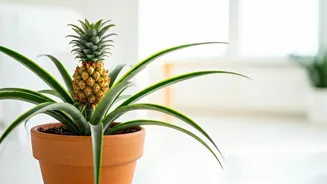
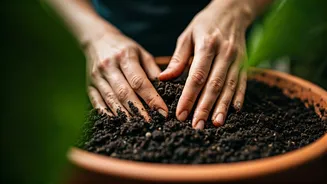
Once your pineapple top has roots that are a few inches long, it's time to pot it. Choose a pot with good drainage holes and fill it with a fast-draining potting mix. Plant the rooted crown just deep enough to be stable, with the base of the leaves just above the soil line. Pineapple plants are tropical natives and thrive in warmth and bright light. Place your plant in the sunniest spot you have, ideally where it can get at least six hours of sunlight per day. Water the plant thoroughly, but allow the top inch or two of soil to dry out between waterings to prevent root rot, one of the most common issues. They appreciate temperatures between 20°C and 30°C and enjoy humidity, so occasional misting can be beneficial.
Patience and the Payoff
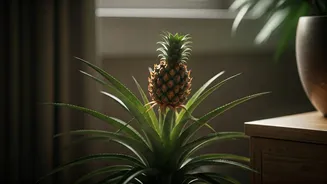
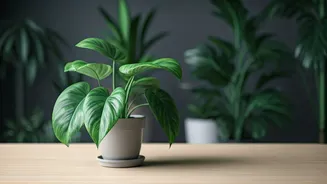
Growing a pineapple is a marathon, not a sprint. The plant itself, with its rosette of spiky, sword-like leaves, is a beautiful and unique houseplant that can grow up to three feet tall and wide. As for getting an actual pineapple, it requires significant patience. It can take two to three years for a plant grown indoors to mature enough to flower and produce a fruit. And once it does produce its single fruit, the main mother plant will slowly decline, but not before producing offshoots, or 'pups', at its base. These pups can be separated and planted to start the charming process all over again.