


Why the Darkness Beckons
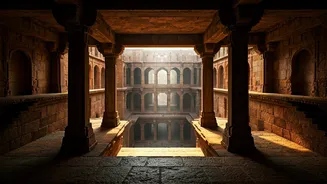
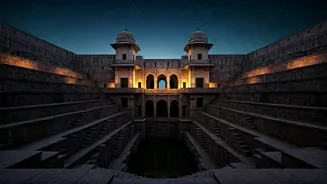
Visiting a stepwell, or 'baori', during the day is an exercise in appreciating monumental scale and bustling history. But at night, it becomes an intimate, almost spiritual experience. The absence of crowds and the harsh sun allows for a deeper connection
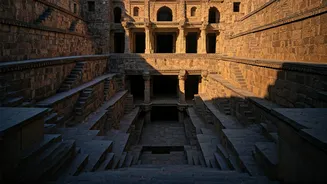
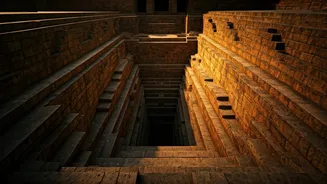
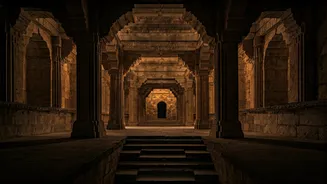
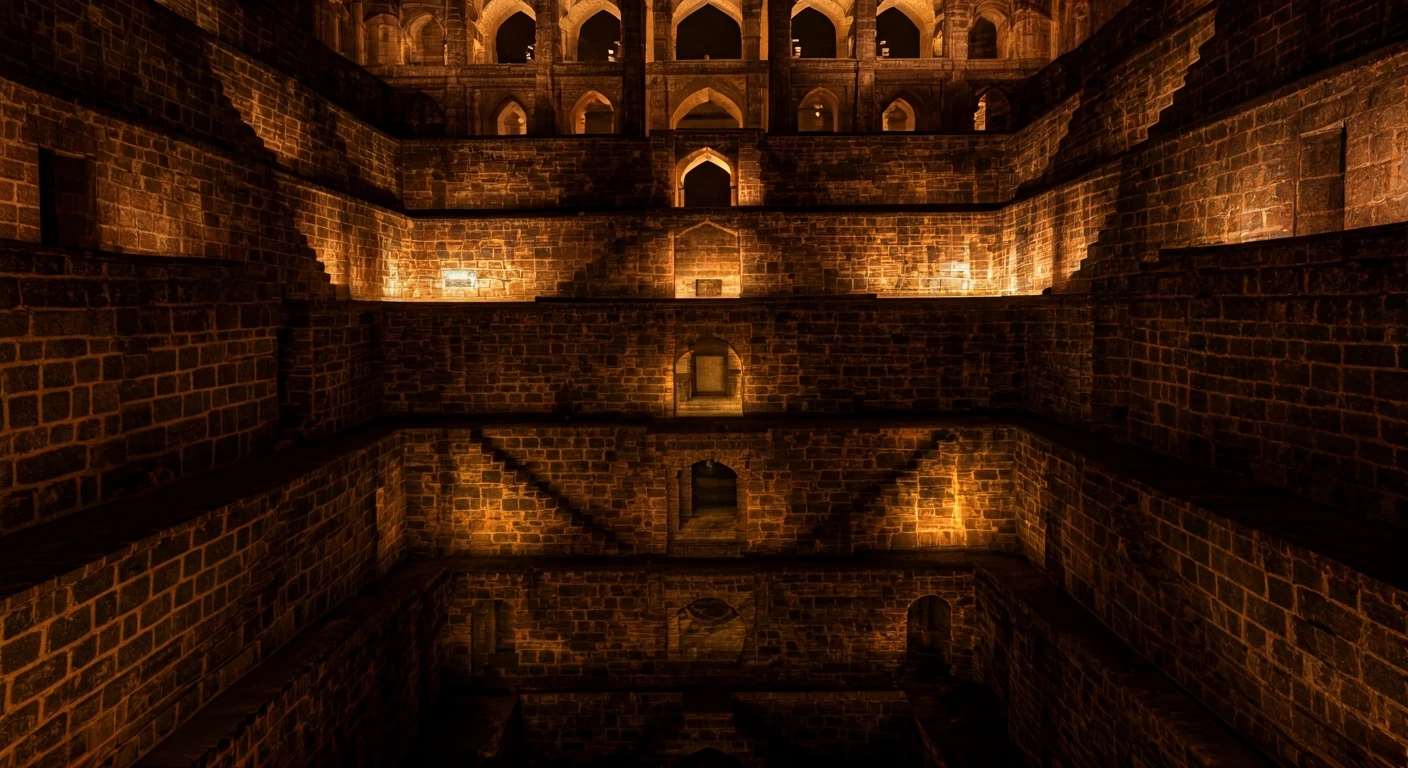
with the structure. The focus shifts from the whole to the parts: the texture of a single stone, the rhythm of repeating stairs, the way a lone light source creates dramatic, long shadows. For photographers and history lovers alike, the night offers a chance to see these architectural marvels not as tourist spots, but as silent, sleeping giants. The quiet allows you to hear the echoes of the past, imagining the centuries of people who descended these same steps for water, community, and refuge.
Iconic Stepwells and Their After-Dark Potential
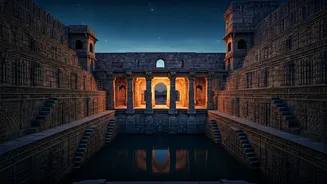
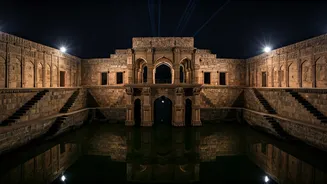
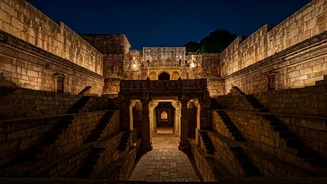
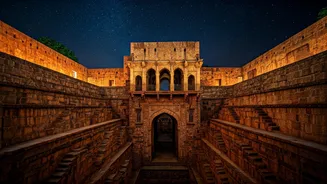
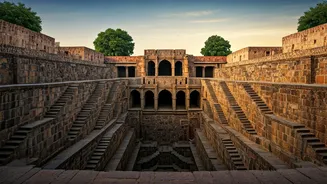
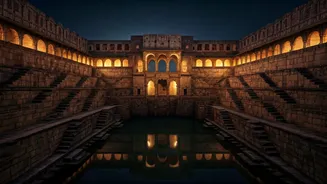
India is dotted with thousands of stepwells, but a few are particularly suited for this kind of exploration. While late-night access is often restricted for safety, many photography groups and heritage walk organisers secure special permissions. - **Agrasen ki Baoli, Delhi:** Located in the heart of the capital, this deep, narrow stepwell is a popular spot for photography walks. Its stark, repeating archways create mesmerising patterns under artificial light. - **Adalaj ni Vav, Gujarat:** An exquisite example of Solanki architecture, this five-storey deep stepwell is renowned for its intricate carvings. Night photography here can highlight the delicate details on pillars and balconies that get washed out in daylight. - **Chand Baori, Rajasthan:** Perhaps the most famous stepwell, this 13-storey deep structure with its 3,500 narrow steps is a spectacle of symmetry. While official access after dark is rare, organised photo tours sometimes get permission, offering a once-in-a-lifetime photographic opportunity to capture its dizzying geometry.
Finding a Guided Photo Walk
Venturing into a dark, ancient structure alone is rarely advisable or permitted. The best way to experience a midnight walk is by joining an organised tour. Cities like Delhi, Jaipur, and Ahmedabad have a thriving culture of heritage walks. Groups like Delhi Karavan or local chapters of photography clubs frequently host night-time or early-morning 'photowalks'. These tours are invaluable because they are led by experts who not only handle access and safety but also provide historical context and photographic guidance. A quick search on social media platforms for “heritage walk” or “photowalk” in your city of interest will likely yield several options. These guides know the best angles, the safest spots, and the right stories to bring the stones to life.
The Photographer’s Essential Toolkit
Night photography in a stepwell is a technical challenge that requires more than just a smartphone. To truly capture the atmosphere, you'll need some specific gear. - **A Sturdy Tripod:** This is non-negotiable. Long exposures are necessary to capture enough light, and any camera shake will result in a blurry image. - **A DSLR or Mirrorless Camera with Manual Mode:** You'll need to control the shutter speed, aperture, and ISO yourself to adapt to the low and often mixed lighting. - **A Wide-Angle Lens:** To capture the grand scale and immersive geometry of the stepwells, a lens in the 16-35mm range is ideal. - **A Remote Shutter or Self-Timer:** Pressing the shutter button manually can cause vibrations. A remote release or your camera's built-in timer avoids this. - **A Flashlight or Headlamp:** Primarily for safety to see where you're stepping, but it can also be used for creative 'light painting' to selectively illuminate parts of the structure.
Techniques for Capturing the Magic
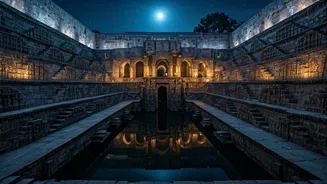
Once you have your gear, focus on composition and technique. Start with a low ISO (100-400) to minimise noise, a mid-range aperture (f/8-f/11) to keep most of the scene in focus, and a long shutter speed (from 5 to 30 seconds) to let the light in. Use your camera's live view to compose and manually focus on a specific point of light. Don't just shoot from the top; descend the steps (safely!) to find unique perspectives. Look for leading lines, symmetry, and reflections if there's any water at the bottom. The goal isn't a perfectly lit, bright photograph, but one that embraces the shadows and conveys the mystery and mood of the location at night.