



A Historic Day of Bowling
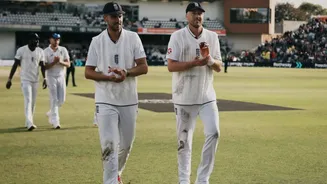
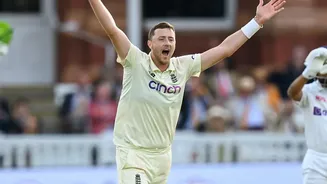
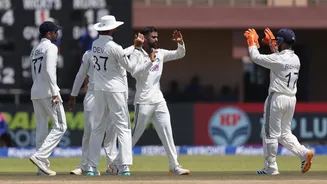
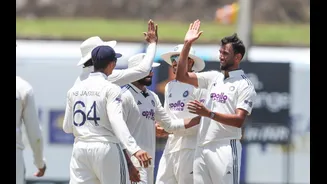
The opening day of the first Test between England and Pakistan at Headingley belonged to England's bowlers, specifically Ollie Robinson and Josh Tongue. The pair were in sensational form, dismantling the Pakistani batting lineup. Robinson started the rout,
claiming a wicket with the very first ball of the match and finishing with figures of 5-51. Not to be outdone, Tongue ripped through the middle and lower order, ending with 5-46. Thanks to their combined efforts, Pakistan were bowled out for just 171. It was a rare and remarkable achievement; the first time in 20 years that two England bowlers had each taken a five-wicket haul in the same Test innings.
The Five-For Tradition and a Dilemma
In cricket, there is a long-standing tradition that a bowler who takes five wickets in an innings gets to keep the match ball as a souvenir of their achievement. It’s a cherished memento that celebrates a standout performance. However, with both Robinson and Tongue reaching the milestone in the same innings, they were faced with a unique quandary: who gets the ball? With only one ball in play, a tradition designed for a single hero suddenly needed to accommodate two. It was a delightful problem to have, born from a day of total dominance by the English pace attack.
An Ingenious Souvenir Solution
The solution was both simple and brilliant. As the players walked off the field, the bowlers discussed what to do. According to Robinson, it was Tongue who first suggested they split it. They approached the team manager, who then took the ball to the Headingley groundstaff with the unusual request. Within minutes, the staff had managed to saw the Dukes ball cleanly in half. Robinson later showed off his half at a press conference, calling it a “cool” gesture and something they would never forget. “You don't really have too many halves of a cricket ball,” he noted, celebrating a shared piece of history created by their shared success on the field.
Could a Ball Actually Split in Play?
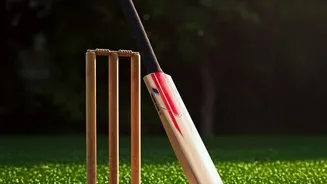
While the Headingley ball was split by a saw, it raises the question: could a cricket ball actually break apart during a match? The answer is that it is incredibly unlikely due to their robust construction. A cricket ball is made of a core of cork, which is layered with tightly wound string and encased in a stitched leather shell. This construction is designed to withstand tremendous forces, being hit by a willow bat at speeds well over 100 kph and smacking against a hard pitch. The four pieces of leather are stitched together with a prominent seam, which is integral to how the ball moves in the air, but the overall structure is built for durability over many overs of play.
The Science of Wear, Tear and Swing
Instead of breaking, a cricket ball is designed to wear down gradually. The interaction between the shiny leather, the rough pitch, and the bowler’s maintenance (shining one side on their trousers) is fundamental to the art of swing bowling. As one side becomes rough and the other stays smooth, it creates a pressure differential as the ball travels through the air, causing it to swing. While the leather might scuff and the seam might fray, a catastrophic failure like splitting in two is virtually unheard of in professional cricket. Poor quality balls used in amateur games might split, but the high-grade balls used at the international level are manufactured to a much higher standard.
What the Rulebook Says
In the highly improbable event that a ball did break into pieces after being struck by the batsman, the laws of cricket have a provision. If the ball splits, the umpire would call and signal 'Dead Ball'. This means the play is null and void. Neither half would be considered 'the ball', so a catch taken with one piece would not be out, and a boundary scored with the other would not count. The ball would simply be replaced with another of a similar condition to the one that broke, and the game would restart from that delivery. This rule ensures that the game is always played with a single, intact, and regulation-compliant ball.