



The Modern Breakfast Dilemma
For years, the narrative of the urban Indian breakfast has been one of convenience. As lifestyles became more hectic, processed packaged cereals offered a seemingly perfect solution: a quick, no-fuss meal to start the day. Market reports show that the demand
for these convenient options continues to grow, fueled by busy schedules and dual-income households. However, a powerful counter-movement is gaining momentum. A significant and growing number of health-conscious consumers are consciously un-boxing their mornings and returning to traditional staples. This isn't just about nostalgia; it’s a deliberate choice, pitting the promises of modern food processing against the time-tested wisdom of ancestral eating habits.
Unpacking the Health Equation
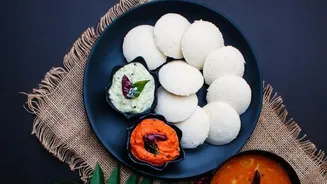
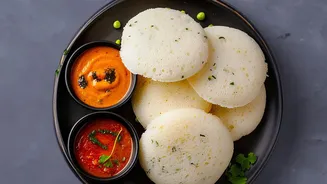
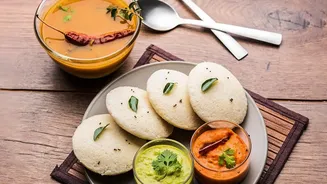
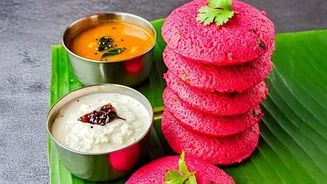
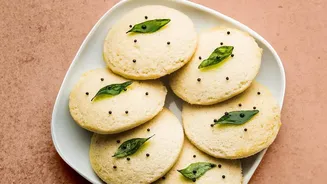
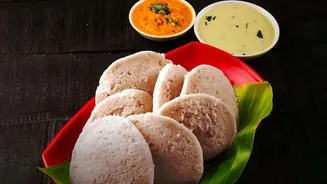
The primary driver behind this shift is health. Many popular breakfast cereals, despite their marketing claims, are made from refined grains that have been stripped of their natural fiber and nutrients. They can also contain high levels of hidden sugars, leading to energy spikes and crashes. In stark contrast, millets—the ancient grains now making a comeback—are nutritional powerhouses. They are naturally rich in protein, dietary fiber, and essential minerals like magnesium and iron. Research comparing traditional rice idlis to those made with a millet mix found that the millet versions contained more than double the protein and significantly more fiber. Furthermore, millets have a low glycemic index, meaning they release energy slowly, keeping you fuller for longer and helping to manage blood sugar levels—a major concern for many.
A Return to Our Roots
This dietary change is also deeply cultural. For decades after the Green Revolution, wheat and rice dominated the Indian plate, and millets were often dismissed as “poor man’s grain.” That perception has now completely flipped. There is a renewed sense of pride in India’s indigenous food heritage. Government initiatives, such as the UN's “International Year of Millets,” have helped restore the reputation of these grains, highlighting their benefits for both human health and environmental sustainability. Choosing a breakfast of millet idli or appam is now seen as a way to reconnect with culinary traditions and embrace a food system that is better suited to India's climate and agricultural landscape.
Gut Instinct and Good Bacteria
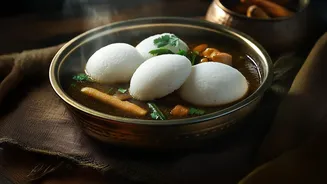
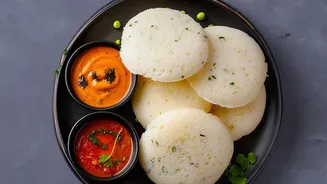
The conversation around health has expanded beyond just vitamins and minerals to include gut health. Here, traditional Indian breakfasts have another distinct advantage. Both idlis and appams are typically made from a fermented batter of rice and lentils, or now, millets and lentils. This fermentation process does more than just make them soft and fluffy; it enriches the food with probiotics, the beneficial bacteria that support a healthy digestive system. A healthy gut microbiome is linked to better digestion, stronger immunity, and overall well-being. Unlike sterile, ultra-processed cereals, these fermented foods are alive with benefits, offering a natural and delicious way to nourish the gut every morning.
Convenience Is No Longer a Compromise
The most common argument against traditional breakfasts has always been the time and effort required. But innovation has closed that gap. The market has responded to this renewed interest with a variety of high-quality, ready-to-use millet-based batters and instant mixes. This means a fresh, hot, and nutritious breakfast is now possible in minutes, directly challenging the convenience monopoly of packaged cereals. Modern kitchen appliances like powerful blenders and grinders have also simplified the process for those who prefer to make their batter from scratch. This fusion of tradition and technology allows busy urban families to enjoy the profound health benefits of a home-cooked meal without sacrificing their precious morning hours.