




A New Generation of Martian Explorer
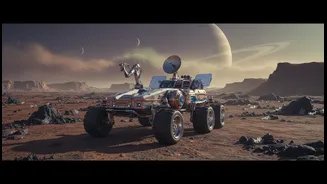
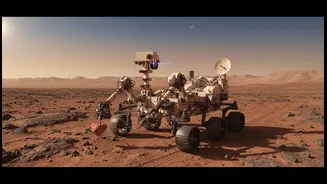
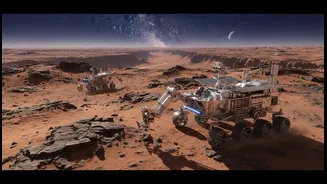
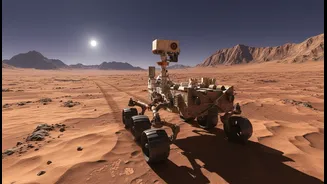
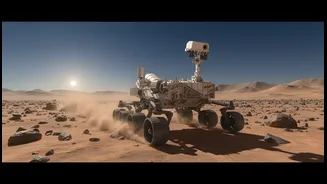
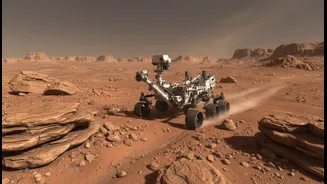
For decades, our vision of Martian exploration has been dominated by wheeled rovers. From the microwave-sized Sojourner to the SUV-sized Perseverance, these robots have been our eyes and wheels on the Red Planet. They have drilled into rocks, analyzed
soil, and sent back breathtaking images, fundamentally changing our understanding of Mars. However, these missions have always relied on painstaking, step-by-step commands from human operators on Earth. This process is slow and limits how much ground a rover can cover. The future of Mars exploration demands a move beyond this model, towards a new generation of robots that can do more, faster, and with far less hand-holding.
The Power of Autonomy
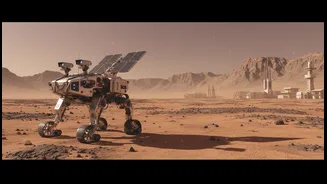
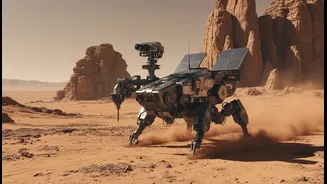
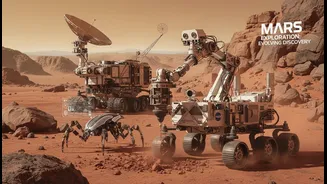
The single biggest hurdle in managing Martian robots is the communications delay. It can take up to 20 minutes for a signal to travel from Earth to Mars, making real-time control impossible. This is where advanced artificial intelligence becomes a game-changer. NASA is already testing AI-powered systems that allow rovers to plan their own routes. In recent tests, the Perseverance rover used generative AI to analyze orbital images and terrain data to navigate safely without direct human input. This leap in autonomy means future robots could survey areas, analyze multiple rock samples, and make intelligent decisions on the fly, drastically increasing the speed and efficiency of scientific discovery. Some concepts even include legged robots, which could traverse steep or rocky terrain inaccessible to wheeled rovers.
Building a Martian Base Camp
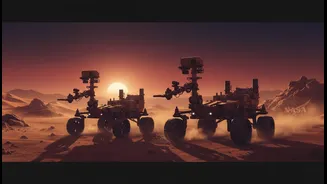
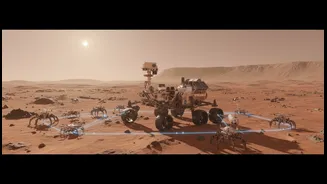
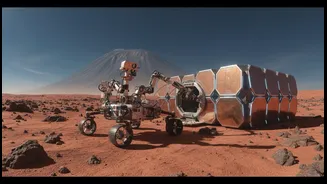
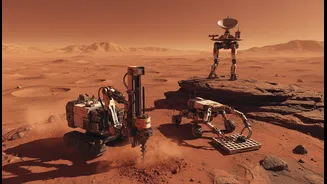
Perhaps the most transformative role for advanced robotics is in construction. Before the first human astronaut sets foot on Mars, NASA envisions sending robotic precursor missions to build the necessary infrastructure. This could involve teams of cooperating robots tasked with site preparation, clearing terrain, and deploying power systems like solar arrays. One of the most promising technologies is 3D printing. NASA has sponsored challenges for companies to design habitats that can be 3D-printed using local Martian materials, or regolith. Companies like AI SpaceFactory have successfully demonstrated that autonomous robots can construct habitat structures, paving the way for a future where robots build entire bases, ready for human arrival.
Human-Robot Collaboration
The long-term vision isn't about replacing humans with robots, but creating a powerful partnership between them. Once astronauts arrive, robots would transition from being pioneers to indispensable assistants. They could handle dangerous or repetitive tasks, such as maintenance, resource gathering, and supporting extravehicular activities (EVAs). This integrated human-robot approach is a cornerstone of NASA's Moon to Mars strategy. By letting robots handle the heavy lifting and routine work, human explorers can focus on high-level scientific research that requires human intuition and problem-solving skills, maximizing the output of any crewed mission.
Overcoming The Red Planet's Challenges
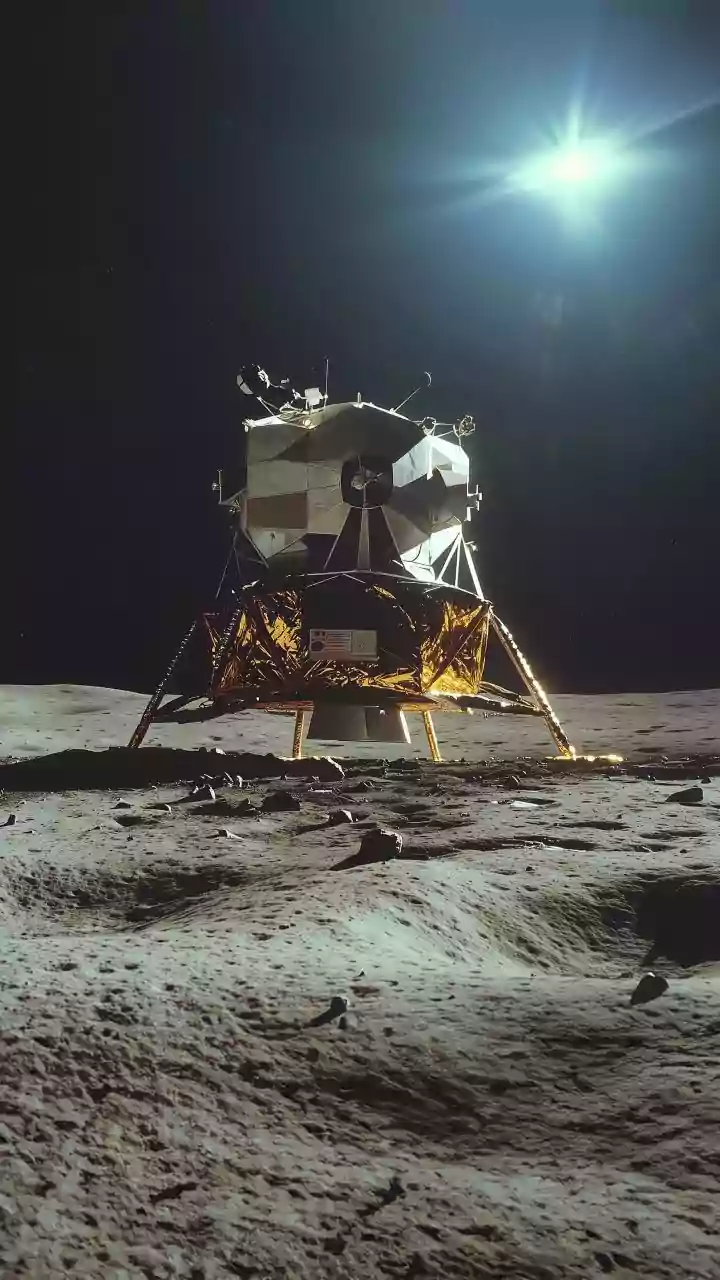
The path to a robotic backbone on Mars is not without significant obstacles. The Martian environment is incredibly harsh, with extreme temperature swings, pervasive, abrasive dust that can clog mechanisms, and intense radiation that can damage sensitive electronics. Developing robots that are robust enough to survive for years while performing complex tasks is a monumental engineering challenge. Furthermore, the complexity of missions like Mars Sample Return—a joint effort with the European Space Agency to bring Martian samples to Earth—highlights the intricate choreography required. These missions involve multiple robotic systems, from rovers collecting samples to landers and ascent vehicles, all working in perfect sequence millions of miles from home.