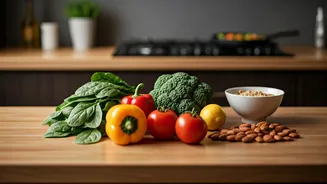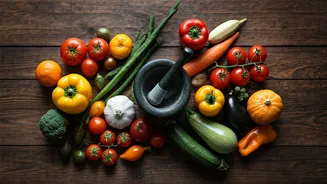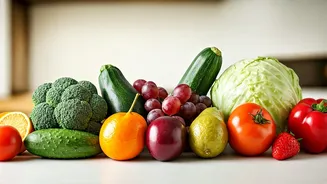







What Exactly is Seasonal Eating?
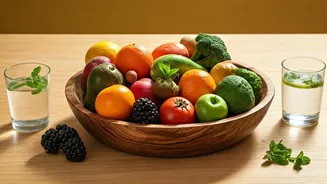
At its core, seasonal eating is about consuming fruits and vegetables at the time of year they are naturally harvested in your local region. It’s the difference between a juicy, fragrant mango in May and a hard, flavourless one in December. Before global
supply chains and cold storage, this was simply how everyone ate. Today, it’s a conscious choice to align our diets with nature's rhythm. This isn't a restrictive diet with a list of forbidden foods. Instead, it’s a flexible and intuitive approach that encourages variety and prioritises freshness, flavour, and nutritional value above all else.
The Effortless Link to Heart Health
The 'without fuss' benefit for your heart comes from a few key factors. First, produce that is picked and sold in season is often at its nutritional peak. Studies suggest that vitamins, minerals, and antioxidants—compounds that fight cellular damage and inflammation linked to heart disease—can be higher in freshly harvested foods compared to those stored for long periods. Second, a varied diet is a cornerstone of cardiovascular health. By rotating your food choices with the seasons, you naturally consume a wider array of nutrients, fibres, and phytochemicals. This variety helps maintain healthy blood pressure, lower cholesterol, and improve overall circulation. Finally, seasonal produce from local markets often has a lower load of pesticides and preservatives used for long-distance transport, reducing your body's exposure to unnecessary chemicals.
Summer’s Heart-Protective Heroes
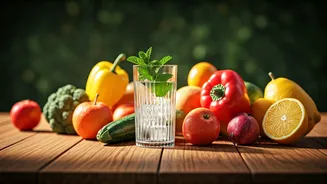
When the temperatures soar, nature provides foods that are hydrating and cooling. These are often packed with heart-friendly nutrients. Think of watermelon, which is not only 92% water but also a great source of lycopene, an antioxidant linked to lower blood pressure. Cucumbers offer similar hydrating benefits. The king of Indian summer, the mango, provides fibre, vitamins A and C, and potassium, which helps balance sodium levels. And don't forget humble vegetables like bottle gourd (lauki) and ridge gourd (turai), which are light, easy to digest, and rich in fibre that supports good cholesterol levels.
Monsoon’s Mighty Produce
The monsoon season brings a different kind of bounty, often focused on boosting immunity and aiding digestion. Jamun (Indian blackberry) is a low-calorie fruit rich in antioxidants and potassium. Corn (bhutta), a monsoon staple, is a good source of fibre that helps manage blood sugar and cholesterol. Vegetables like bitter gourd (karela) are known to help in blood sugar regulation, which is crucial for metabolic health and, by extension, heart health. Okra (bhindi) provides soluble fibre, which can bind with cholesterol in the digestive system and remove it from the body, preventing it from being absorbed into the bloodstream.
Winter’s Warming Wonders
Winter is the season for vibrant greens and root vegetables that provide warmth and dense nutrition. Sarson ka saag (mustard greens) and palak (spinach) are loaded with iron, folate, and Vitamin K, all vital for blood health and circulation. Carrots and sweet potatoes are rich in beta-carotene, an antioxidant your body converts to Vitamin A, which supports overall heart function. And perhaps the most powerful winter offering is Amla (Indian gooseberry), a Vitamin C powerhouse that acts as a potent antioxidant, protecting arteries from oxidative stress and supporting healthy blood vessel function.
Keeping it Simple and Fuss-Free
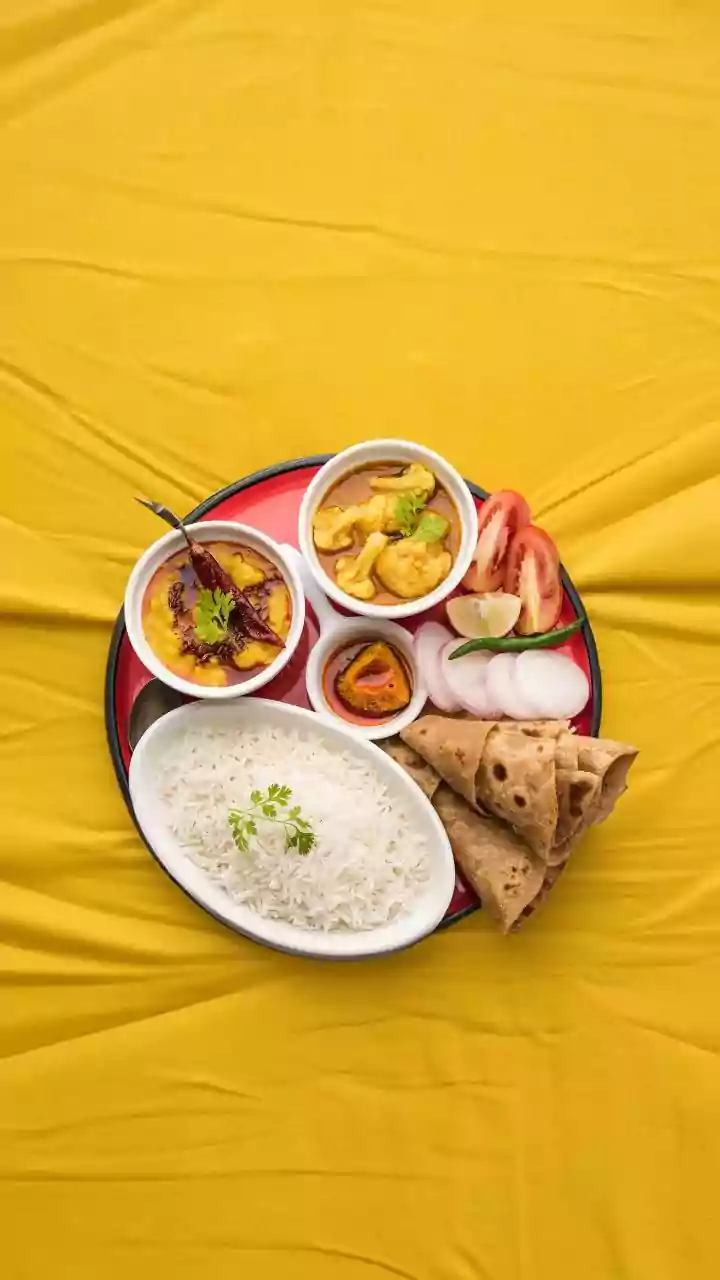
Adopting a seasonal diet doesn't require a complete lifestyle overhaul. Start with small, simple changes. On your next trip to the market, ask your local sabziwala what’s fresh and in abundance—that’s your best clue. Try swapping one of your usual vegetables for a seasonal alternative. Challenge yourself to try one new seasonal fruit or vegetable each week. Plan one meal a day around a seasonal hero. Instead of reaching for a packaged snack, grab a seasonal fruit. By focusing on what’s fresh, local, and plentiful, you’ll automatically make choices that are better for your wallet, your taste buds, and your heart.