




The Invisible Challenge of Space
Living and working in space is not just about powerful rockets and advanced spacecraft; it's about surviving in an environment our bodies were not designed for. The primary challenge is microgravity, or what is commonly known as weightlessness. On Earth,
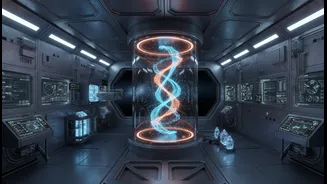
gravity exerts a constant force on our bodies, and our physiological systems are tuned to it. In its near absence, astronauts face a host of health issues. The most well-documented effects include the rapid loss of bone density and muscle mass, as muscles used for standing and posture are no longer needed. Over weeks and months, this can lead to significant weakening, increasing the risk of fractures upon return to Earth. Furthermore, fluids in the body shift upwards, causing a puffy face, nasal congestion, and changes to the cardiovascular system as the heart adapts to a different workload. Vision problems and a weakened immune system are other serious risks that astronauts face during long-duration missions.
From Sounding Rockets to Space Stations
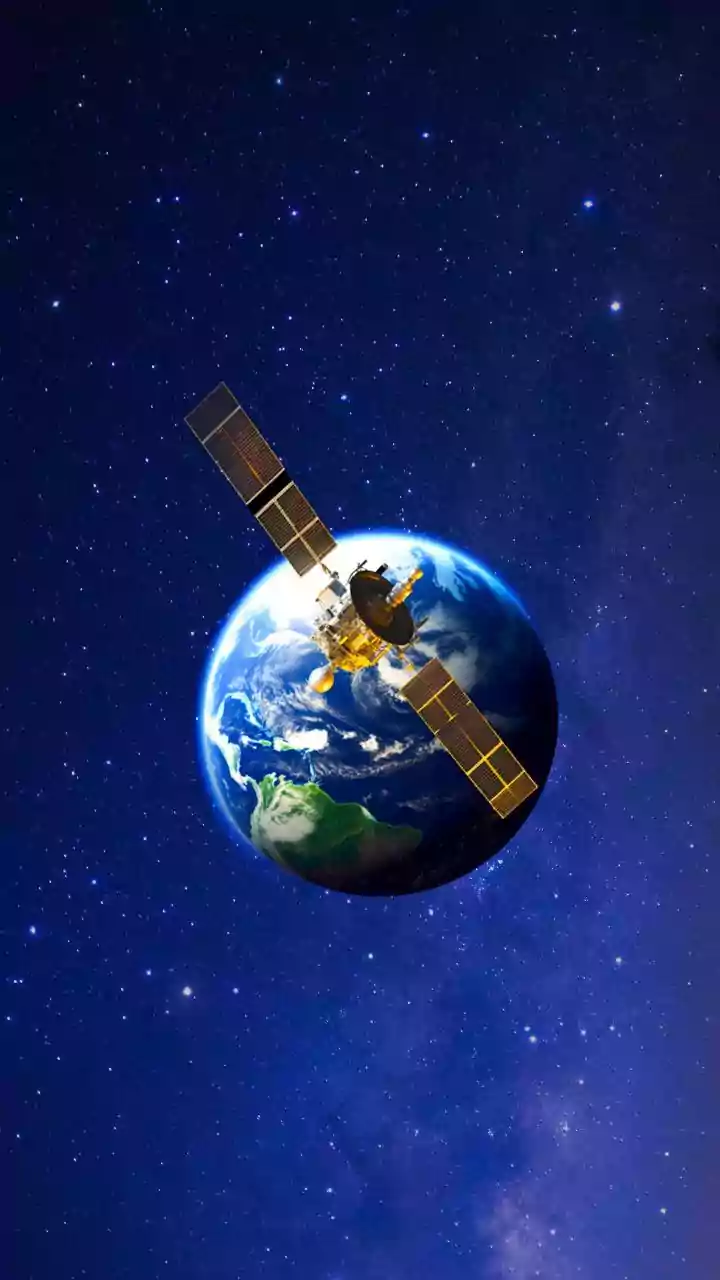
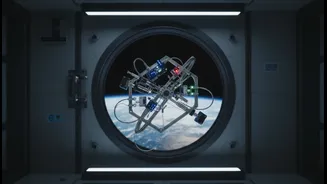
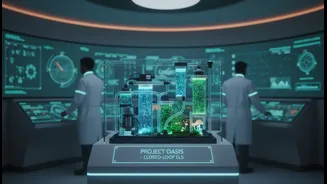
To understand and counteract these effects, ISRO is conducting a range of microgravity experiments. A cost-effective method involves using sounding rockets from the Rohini series. These rockets fly on a sub-orbital trajectory, providing several minutes of high-quality microgravity for experiments to run automatically before the payload is recovered. This allows scientists to study phenomena in fluid physics, materials science, and biology without the complexity of a full orbital mission. Looking ahead, ISRO is also leveraging international collaborations. As part of a partnership with NASA, an Indian astronaut will conduct experiments aboard the International Space Station (ISS). These studies, designed by Indian research institutions, will investigate everything from how microalgae and cyanobacteria grow in space—potential future sources of food and oxygen—to how human muscle cells regenerate. These experiments provide crucial data and first-hand operational experience that feeds directly into India's own human spaceflight ambitions.
Pioneering Research for Gaganyaan
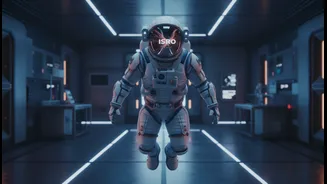
The immediate beneficiary of this research is the Gaganyaan programme, India's flagship mission to send its own astronauts, or 'Gaganauts', into low-Earth orbit. The insights gained from microgravity studies are vital for developing effective countermeasures. These can include specialized exercise regimens and equipment to mitigate muscle and bone loss, designing more ergonomic spacecraft interiors, and creating better life support systems. For instance, ISRO is supporting an experiment to study how astronauts interact with touchscreens and electronic displays in space, which could lead to improved user interfaces that reduce cognitive stress. Another experiment focuses on sprouting moong and methi seeds, exploring sustainable food sources for longer missions. Research is also being done on extremophiles like tardigrades (water bears) to understand their resilience, which could unlock secrets to protecting astronauts from the harsh space environment. Every piece of data helps make the Gaganyaan mission safer and more efficient.
Building for a Future in Space
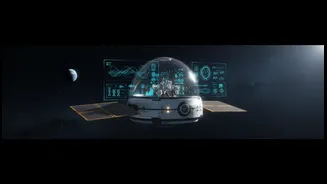
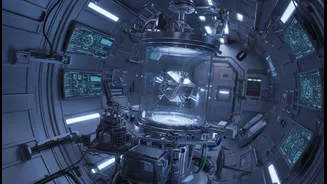
ISRO's vision extends far beyond the initial Gaganyaan flights. The ultimate goal is to establish a sustained Indian presence in space. This includes the proposed Bharatiya Antariksha Station (BAS), a modular space station planned to be operational by 2035, and a crewed lunar mission by 2040. A space station is, at its core, a long-term microgravity laboratory. The research currently being conducted is foundational for the BAS, which will serve as a platform for continuous experiments in life sciences, materials research, and pharmaceutical development. Mastering technologies for life support, radiation protection, and long-duration habitation is impossible without a deep understanding of the microgravity environment. By investing in these fundamental studies now, ISRO is not just preparing for its next mission, but building the technological and scientific capacity required for India to become a major player in the future of space exploration.