




The Problem of Coffee Waste
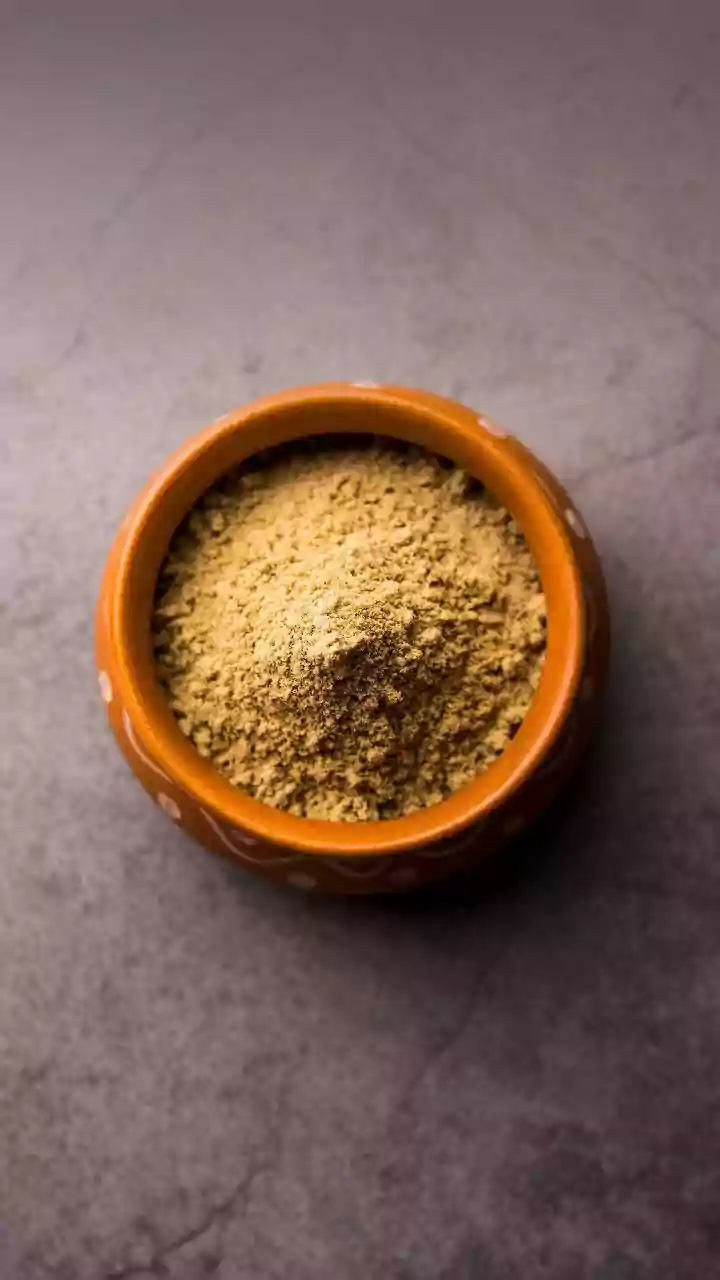
That morning flat white or afternoon espresso comes at a cost beyond the price tag. Globally, the coffee industry produces enormous quantities of spent coffee grounds. When sent to landfill, this organic material decomposes and releases methane, a potent
greenhouse gas. For cafes and restaurants, it’s a heavy, wet waste product that costs money to dispose of. For years, this was seen as an unavoidable part of the coffee life cycle. However, a growing number of entrepreneurs see this waste not as a problem, but as a valuable raw material packed with nutrients.
From Waste to a Nutritious Resource
Mushrooms are nature’s master recyclers, breaking down tough organic matter to create life. It turns out that used coffee grounds are an almost perfect food source for certain types of fungi. The brewing process effectively pasteurises the grounds, killing off many competing moulds and bacteria. What’s left is a nutrient-rich, nitrogen-heavy substrate that is ideal for mushroom cultivation. This realisation has sparked a movement in urban agriculture, with small-scale 'micro-factories' popping up in cities across Europe and beyond, from Brussels to London. These local farms collect coffee waste from nearby cafes and use it to grow fresh, gourmet mushrooms.
Inside the Micro-Factory: Step by Step
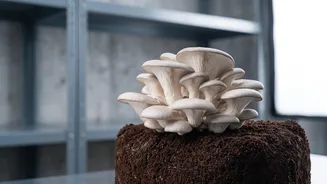
The process is a brilliant example of a circular economy. It begins with collecting fresh coffee grounds from local partners, often delivered by cargo bike to keep the carbon footprint low. The grounds, once cooled, are mixed with mushroom spawn—the vegetative root structure of fungi, known as mycelium. This mixture is packed into special grow bags or containers and placed in a dark, warm room for two to three weeks. During this incubation period, the white, thread-like mycelium spreads throughout the coffee, consuming the nutrients. Once the bag is fully colonised, it’s moved to a 'fruiting' room with high humidity, fresh air, and some indirect light. To trigger growth, small holes are cut in the bags. Within a week or two, tiny mushroom 'pins' emerge, which can double in size daily until they are ready to be harvested. Companies report that for every five tonnes of coffee grounds recycled, they can produce around one tonne of fresh mushrooms.
Why Oyster Mushrooms Are the Perfect Crop
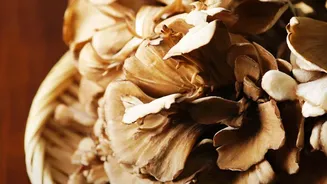
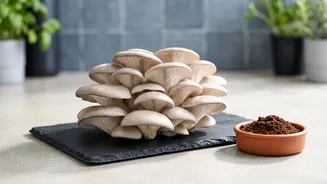
While several mushroom varieties can grow on coffee, the undisputed champion of this method is the Oyster mushroom (Pleurotus ostreatus). Oysters are famously versatile and aggressive growers, capable of thriving on a wide range of agricultural byproducts. They colonise the coffee grounds quickly, out-competing potential contaminants. Their rapid growth cycle means farms can produce multiple harvests in a short time, making it a viable business model. Varieties like blue-grey, white, yellow, and pink oyster mushrooms are all successfully cultivated this way, offering a range of tastes and textures for local restaurants and markets.
A Model for a Circular Future
This innovative process does more than just produce food. It creates a closed-loop system where waste is eliminated. After the final mushroom harvest, the spent substrate is not discarded; it becomes a nutrient-rich compost and soil enricher, perfect for gardening and agriculture. Some companies, like the Belgian pioneer PermaFungi, are even developing new biomaterials from the leftover substrate, creating things like insulation panels and lampshades. By turning urban waste into a local food source, these micro-factories reduce food miles, create local employment, and provide city dwellers with incredibly fresh produce. It's a business model that is both profitable and positive for the planet, proving that the solution to our waste problem might be found in the most unexpected places.