



More Than a Workout, It's a Connection
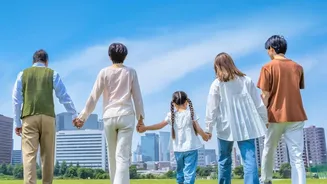
Unlike a standard fitness class where participants often exercise in parallel with minimal interaction, social walking is inherently communal. The rhythm of walking side-by-side encourages conversation and shared experiences. This simple act of moving
together can combat feelings of loneliness and social isolation, which are increasingly recognised as significant health concerns. When you join a walking group, you’re not just showing up for a workout; you’re showing up for people who expect you and enjoy your company. This sense of belonging and accountability is a powerful motivator that keeps people consistent in a way that a solo gym session rarely can. It transforms exercise from a personal task into a shared, enjoyable social activity.
The 'Green Exercise' Effect on Mental Health
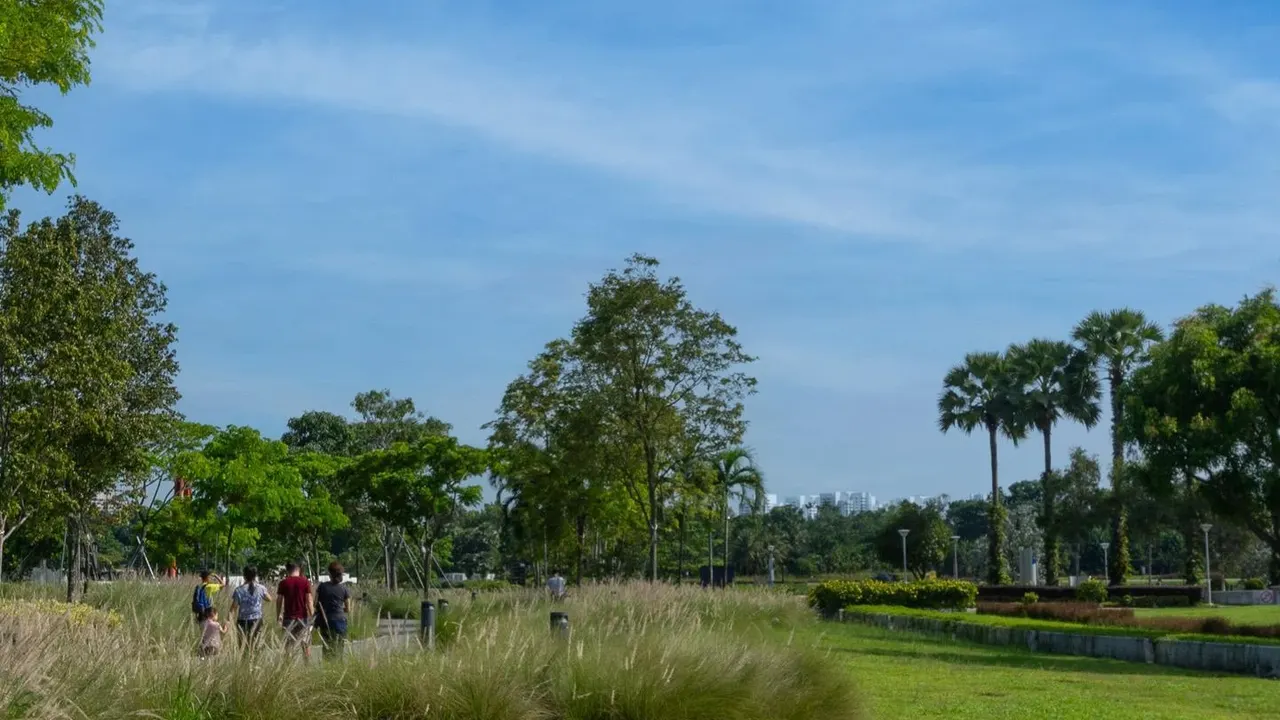
There's a growing body of research around 'green exercise'—any physical activity that takes place in a natural environment. The findings are compelling: exercising outdoors is consistently linked to greater mental health benefits than indoor workouts. Studies have shown that physical activity in nature can lower blood pressure, reduce stress hormone levels like cortisol, and decrease feelings of tension and depression. The combination of fresh air, sunlight (a natural source of Vitamin D), and changing scenery provides a sensory richness that a sterile gym environment simply cannot match. Even a short walk in a park can improve mood and boost feelings of energy and revitalisation, making it a powerful tool for mental well-being.
Accessible Fitness Without the Price Tag
One of the most significant barriers to traditional fitness is the cost and perceived complexity. Gym memberships can be expensive, and the equipment can be intimidating for newcomers. Walking, however, is one of the most accessible forms of exercise available. It requires no special equipment beyond a comfortable pair of shoes and is free to do. Social walking groups are typically open to all ages and fitness levels, creating a welcoming, non-competitive atmosphere. This low barrier to entry makes it an inclusive option for people who may feel out of place in a high-intensity gym setting. The focus is on participation and enjoyment rather than performance metrics, which helps in building a sustainable and healthy habit.
Finding Your Stride in India
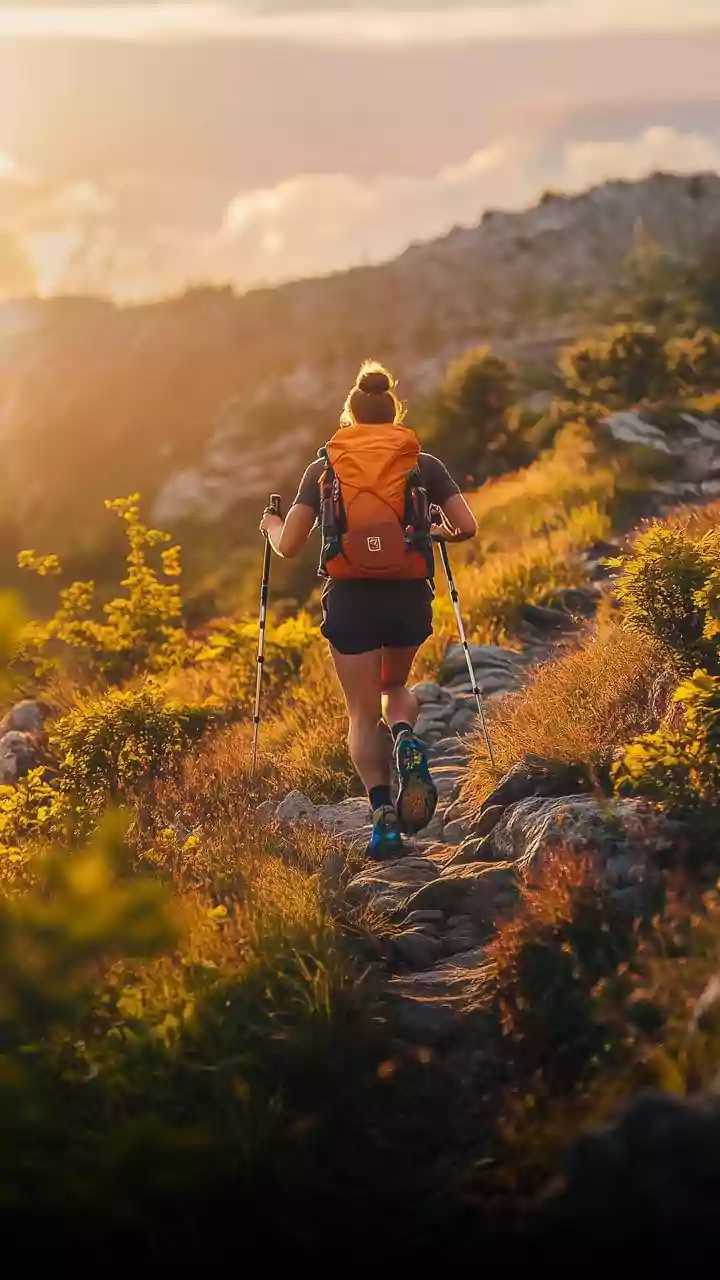
This global trend has found fertile ground across India. From the bustling promenades of Mumbai to the serene parks of Bengaluru and the Aravalli trails near Gurgaon, community walking groups are thriving. Platforms like Meetup list hundreds of walking and hiking groups in cities like Pune, Delhi, and Chennai, catering to various interests from casual morning walks to more adventurous treks. These groups, such as the Gurgaon Walkers Group, do more than just promote fitness; they are building communities by organising weekly hikes, outstation treks, and fostering a sense of collective well-being. For many, they serve as a modern 'third place'—a crucial social hub outside of home and work where connections are formed and a sense of local community is strengthened.