





Why Go Beyond a Simple Walk?
While physical exercise is vital, mental exercise is just as important for a well-rounded, happy dog. Sensory activities, which engage your dog’s nose, paws, ears, and brain, are a form of enrichment that can reduce anxiety, prevent destructive behaviours,
and strengthen your bond. Think of it as brain-training for your furry friend. A dog that is mentally tired is often more content and calm than a dog that has only been physically exercised. By exposing them to new, safe experiences in a controlled environment like your home, you help them become more confident and adaptable to the world outside.
Station 1: The Texture Trail
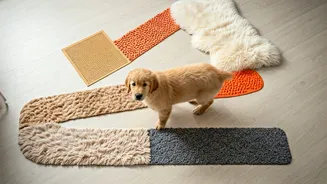
A dog’s paws are highly sensitive. Creating a path with various safe textures provides excellent sensory input. Lay out a series of different surfaces for your dog to walk over. Start with easy things and build up to more unusual textures. Great options include a fluffy towel, a doormat, a flattened cardboard box, a yoga mat, and a tray with a thin layer of water. For a more advanced texture, you can lay down a sheet of bubble wrap. Supervise this closely to ensure your dog doesn’t try to eat it! Encourage them with treats and praise as they bravely step on each new surface.
Station 2: The Scent Challenge
A dog’s primary sense is smell. Engaging their nose is one of the most powerful ways to tire them out mentally. You don’t need fancy equipment for this. Grab a few empty cardboard boxes or plastic containers. Place a high-value treat (like a piece of paneer or chicken) in one of them, and let your dog sniff them out. This simple 'find it' game is incredibly rewarding. You can also create a 'snuffle mat' by tying strips of old fleece or t-shirts to a rubber mat with holes, then hiding kibble within the fabric. This encourages natural foraging instincts and keeps them busy for ages.
Station 3: The Balance Beam
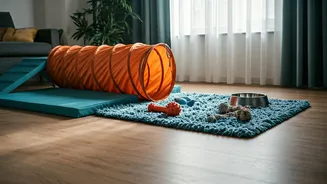
Activities that challenge your dog’s balance and body awareness (proprioception) are fantastic for building core strength and confidence. You can create a simple, low-to-the-ground balance beam in your living room. Line up a row of firm pillows or cushions for them to walk across. You can also use a sturdy, wide plank of wood laid flat on the floor. The goal isn't height, but stability and concentration. Lure them across with a treat, keeping it slow and steady. This simple exercise helps them learn where their feet are in space, which can prevent future injuries.
Station 4: The Sound Garden
Introduce your dog to new, interesting sounds in a positive way. This can help desensitise them to strange noises they might encounter outside. Create a 'sound maker' by placing a few grains of rice or dried beans inside a plastic bottle. Gently roll it for them to investigate. You can also crumple up different types of paper (newspaper vs. packing paper) to see which sound they find more interesting. The key is to keep the sounds gentle and intriguing, not loud or scary. Reward your dog’s curiosity with praise and treats to build a positive association.
Putting It All Together Safely
Arrange your stations in a logical sequence around a room. Guide your dog from one station to the next using treats and verbal encouragement. Keep sessions short and fun—5 to 10 minutes is plenty to start. The most important rule is to always supervise your dog. Never force them to do anything they are scared of. The goal is to build confidence, not create fear. Watch their body language. A wagging tail, relaxed ears, and a willingness to engage are great signs. If they are tucking their tail or backing away, take a break and try something easier next time.