
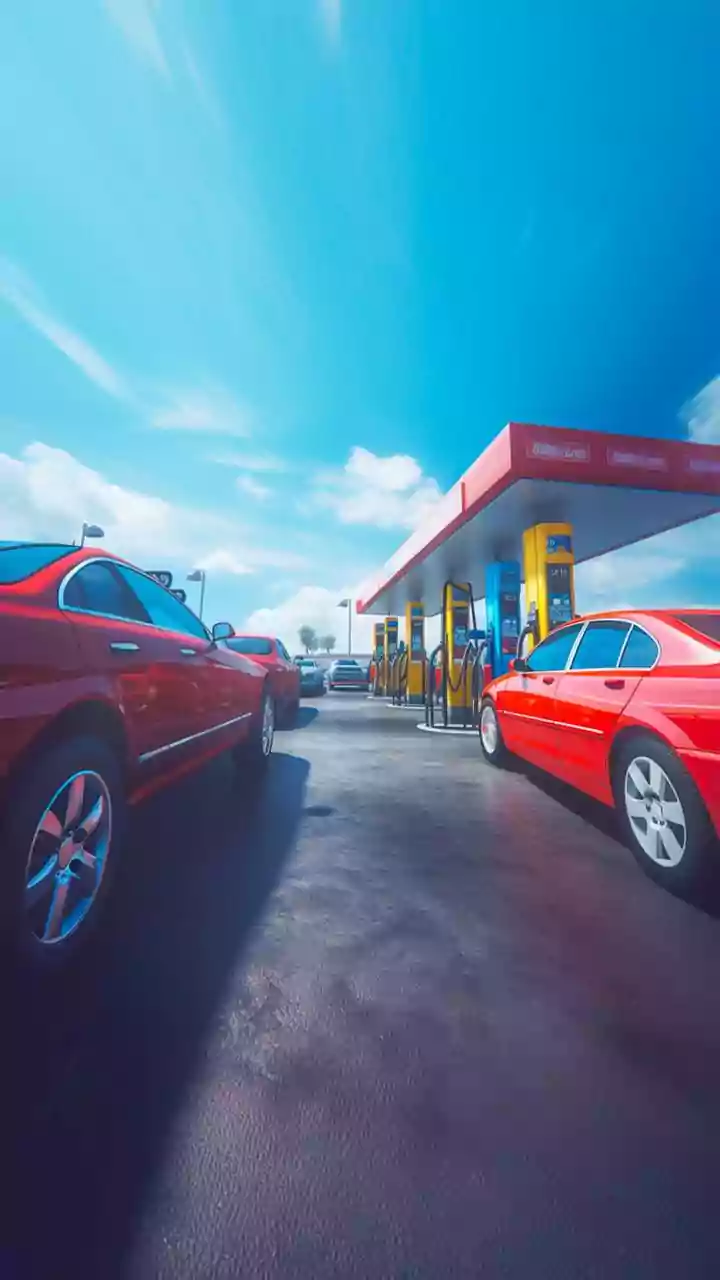

As winter approaches, Delhi is bracing for its annual battle with air pollution. From November 1, new restrictions will ban certain vehicles from the city's roads. Here’s a detailed breakdown of what you need to know to navigate the changes.
Understanding the New Vehicle Rules
To combat
the alarming rise in air pollution during winter, the Commission for Air Quality Management (CAQM) has announced a series of measures. The headline restriction, effective from November 1, 2026, to January 31, 2027, is a ban on certain categories of vehicles entering Delhi. This is not a standalone rule but is part of Delhi's broader Winter Action Plan and the Graded Response Action Plan (GRAP), a set of emergency measures that escalate based on air quality forecasts and readings. The current restrictions are primarily associated with GRAP Stage III, which is triggered when the Air Quality Index (AQI) enters the 'Severe' category (401-450).
Which Vehicles Are Banned?
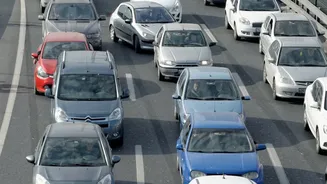
The restrictions specifically target older, more polluting vehicles. The primary ban is on BS-III petrol and BS-IV diesel Light Motor Vehicles (LMVs), which are four-wheelers. The rule applies to vehicles registered both inside and outside of Delhi. Furthermore, as part of a separate but related directive, all vehicles registered outside of Delhi that do not meet the latest BS-VI emission standards will be barred from entering the city. This includes both private and commercial vehicles. It is crucial for vehicle owners to check their car's Registration Certificate (RC) or use the Parivahan Sewa app to confirm their vehicle’s Bharat Stage (BS) norm.
Where Do These Restrictions Apply?
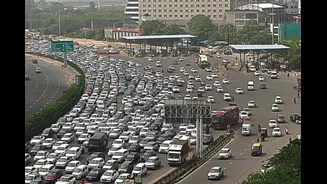
While the headline focuses on the 'Capital', the rules extend beyond Delhi's borders to impact the wider National Capital Region (NCR). The GRAP Stage III ban on BS-III petrol and BS-IV diesel cars is effective in Delhi as well as the high-vehicle-density districts of Gurugram, Faridabad, Ghaziabad, Gautam Budh Nagar (including Noida), and now Sonipat. The separate entry ban on non-BS-VI vehicles registered outside Delhi will be enforced at all entry points to the capital, affecting hundreds of thousands of daily commuters from neighbouring cities.
Are There Any Exemptions?
Yes, there are several important exemptions. The restrictions do not apply to any vehicle running on electricity (EVs) or Compressed Natural Gas (CNG). Vehicles used for essential and emergency services, such as ambulances and fire trucks, are also exempt. BS_VI compliant diesel buses are permitted to operate. Notably, the ban on BS_III petrol and BS_IV diesel LMVs under GRAP Stage III does not apply to vehicles specifically adapted for and used by persons with disabilities for personal transport. However, the previous exemption for goods vehicles carrying essential commodities has been removed under the revised GRAP rules, making the ban stricter.
The Penalties for Non_Compliance
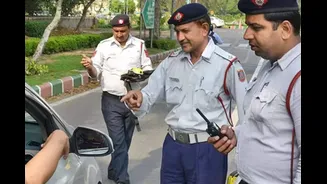
Ignoring these restrictions can result in significant financial penalties. Driving a banned vehicle, such as a BS_III petrol or BS_IV diesel car during GRAP Stage III, can attract a hefty fine of ₹20,000. This is enforced by traffic police across the designated NCR districts. Separately, authorities are also strictly enforcing the 'No PUC, No Fuel' rule, where vehicles without a valid Pollution Under Control Certificate can be denied fuel and fined up to ₹10,000. Enforcement teams are being deployed to monitor compliance, especially at border points and pollution hotspots.
Why This Happens Every Winter
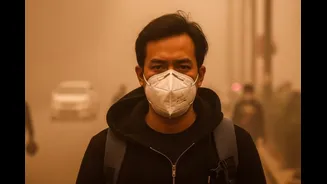
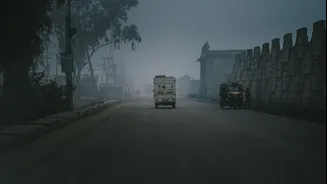
These annual restrictions are a response to a predictable public health crisis. During winter, a combination of factors including lower temperatures, slower wind speeds, and increased emissions from stubble burning in neighbouring states traps pollutants close to the ground. Vehicular emissions are a major contributor to Delhi's toxic air, with older vehicles being disproportionately polluting. According to one analysis, BS_I to BS_III vehicles, while making up about 30% of the fleet, are responsible for nearly 74% of particulate matter emissions. These measures are a critical, if disruptive, attempt to mitigate the worst effects of this seasonal smog.